
No products in the cart.
Hijama Therapy Benefits: Traditional Healing Power Supported by Modern Science
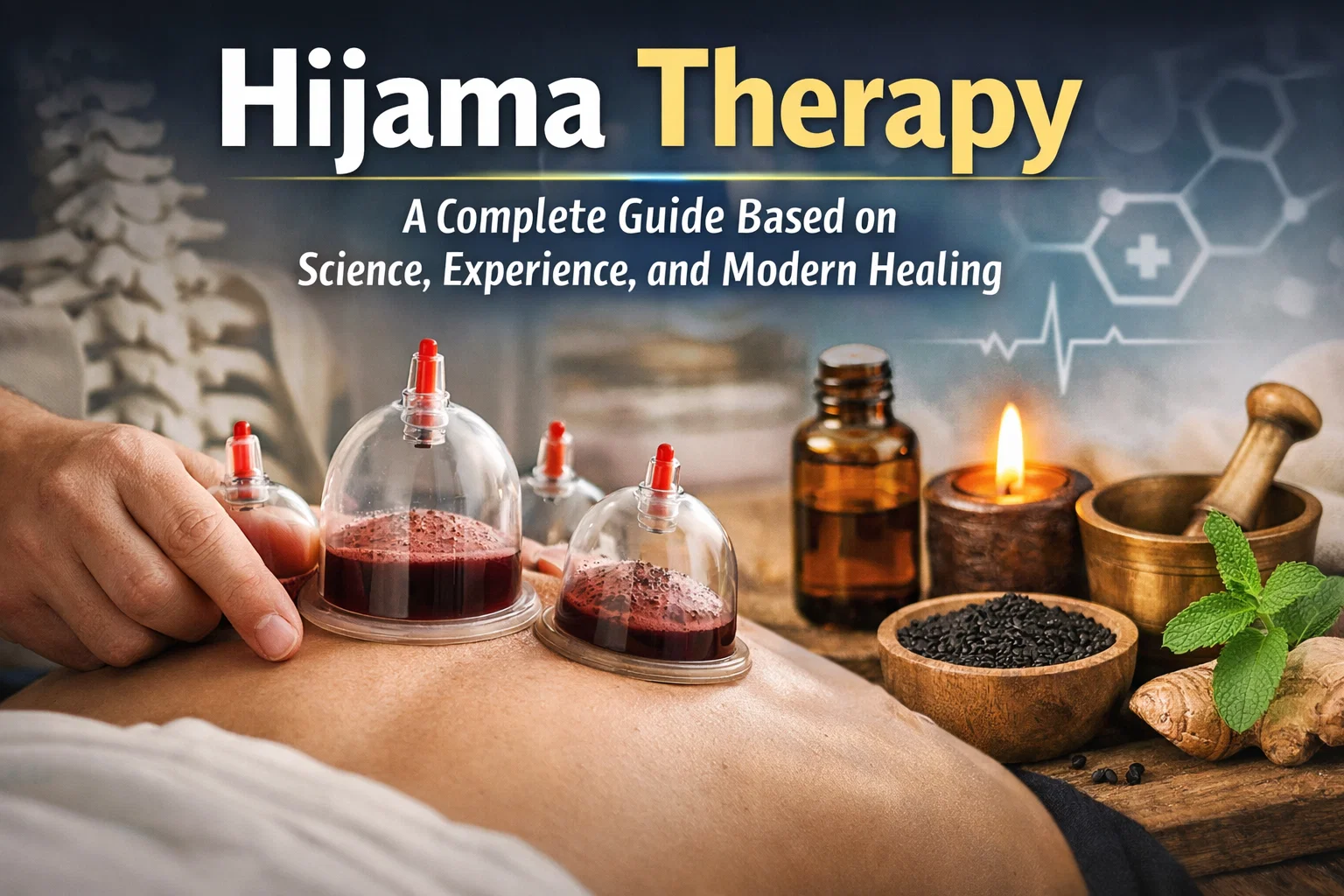
Hijama therapy, also known as wet cupping therapy, is not just an ancient healing ritual it is a powerful, results-driven natural treatment backed by both traditional wisdom and modern medical understanding.
While many clinics briefly explain hijama benefits, this comprehensive guide goes deeper into the science, real health applications, and practical results so you fully understand why hijama is becoming one of the most trusted forms of holistic therapy and complementary alternative medicine worldwide.
If you are searching for:
Benefits of hijama therapy
Natural pain relief therapy
Blood detox therapy
Hijama for women’s health
Hijama for stress and anxiety
Hijama for athletes recovery
Hijama traditional vs modern perspective
This detailed guide covers everything in one place.
What Is Hijama Therapy?
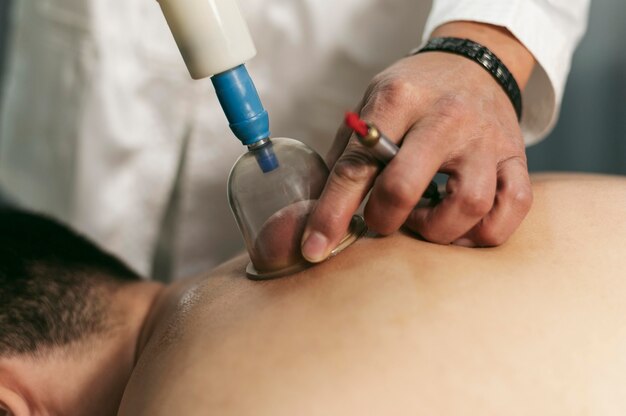
Hijama is a natural therapy where suction cups are placed on specific points of the body to draw out stagnant blood and toxins. In wet cupping, small superficial cuts are made to allow unhealthy blood to exit the body. This process helps improve blood circulation, reduce inflammation, and support natural healing.
Hijama has been practiced for thousands of years in different cultures, including Islamic medicine, Chinese medicine, and Middle Eastern traditions.
Why People Choose Hijama Today
Modern lifestyles cause stress, poor circulation, muscle stiffness, and chronic pain. Many people turn to Hijama because it focuses on root causes, not just symptoms.
People commonly choose Hijama for:
- Back, neck, and shoulder pain
- Migraines and frequent headaches
- Fatigue and low energy
- Stress and anxiety
- Joint pain and arthritis
- Digestive discomfort
- Hormonal imbalance
Unlike painkillers, Hijama does not mask pain. It helps the body reset and heal naturally.
How Hijama Works in the Body
Hijama works by improving blood flow and removing stagnant blood that may block oxygen and nutrients from reaching tissues. When suction is applied, blood is pulled toward the surface, activating the immune response and promoting healing.
Wet cupping helps remove waste products and inflammatory substances from the blood. This can reduce muscle tension, improve mobility, and give a feeling of lightness and relief after the session.
From a modern perspective, Hijama may help with:
- Microcirculation improvement
- Reduction in oxidative stress
- Activation of the lymphatic system
- Pain modulation through nerve stimulation
Hijama in Islam and Sunnah
Hijama holds special importance in Islam. It is a Sunnah practice of Prophet Muhammad ﷺ, who recommended Hijama as a form of treatment. Authentic Hadith mention specific dates and points for Hijama, which many Muslims still follow today.
Because of this, Hijama is not only a medical therapy but also a spiritual practice for many believers.
Common Hijama Points on the Body
Professional Hijama practitioners select points based on symptoms and medical history. Some commonly used points include the upper back, between the shoulders, lower back, and behind the neck.
These points are chosen because they are linked with major nerves, muscles, and blood vessels. Correct point selection plays a major role in effective results.
What to Expect During a Hijama Session
A typical Hijama session lasts between 30 to 60 minutes. The process usually includes consultation, cup placement, suction, light incisions (for wet cupping), and proper cleaning afterward.
Most people feel minimal discomfort. After the session, circular marks may appear on the skin, which usually fade within a few days.
Many patients report immediate relief, better sleep, and improved energy levels after Hijama.
Is Hijama Safe?
When performed by a trained and certified practitioner using sterile equipment, Hijama is generally safe. It is important to disclose medical conditions such as anemia, pregnancy, or blood disorders before treatment.
Hijama should always be done in a clean environment following proper hygiene standards.
Hijama vs Modern Medical Treatments
Hijama is not a replacement for emergency or critical medical care. However, it works well as a complementary therapy alongside modern medicine.
Many people use Hijama to reduce dependency on pain medications and improve overall quality of life naturally.
Why Hijama Therapy Is Growing Worldwide?
The global shift toward holistic therapy and natural healing alternatives has increased demand for hijama cupping therapy. People are seeking drug-free pain relief, immune support, hormonal balance, and preventive healthcare solutions. Hijama combines traditional medicine wisdom with modern medical understanding, offering a balanced and powerful healing method.
Hijama therapy is more than an ancient tradition. It is a comprehensive natural healing system designed to support pain relief, mental wellness, women’s health, athletic recovery, immune strength, and detoxification. For those looking for a complementary alternative medicine that focuses on root cause healing rather than temporary symptom control, hijama therapy offers a complete and effective solution.
Who Should Consider Hijama?
Hijama is suitable for people who:
- Suffer from chronic pain
- Experience frequent stress or fatigue
- Want a natural detox method
- Prefer holistic healing approaches
However, consultation with a healthcare professional is recommended if you have serious medical conditions.

Hijama for Women’s Health and Hormonal Balance
Many women turn to Hijama because their health concerns are often linked to hormonal balance, circulation, and stress, areas where Hijama can offer supportive relief.
Hijama may help women who experience menstrual discomfort, irregular cycles, or pelvic tension by improving blood flow and reducing stagnation in the lower back and abdominal region. Better circulation can ease cramps, reduce heaviness, and support overall reproductive health when performed by a trained practitioner.
Hijama therapy plays an important role in supporting women’s health benefits. It may assist with menstrual problems relief, hormonal imbalance, PCOS support, fertility support, and menopausal symptom relief. Improved blood flow and reduced inflammation help regulate hormonal systems naturally.
Women searching for natural hormonal detox therapy or alternative support for PCOS often consider hijama as part of a broader holistic health plan. Its ability to improve circulation and immune balance makes it a supportive option for long-term reproductive health.
Hijama Benefits for Men’s Health
Men often seek Hijama for issues related to muscle pain, physical strain, energy levels, and stress, particularly those caused by demanding work, sports, or long hours of sitting.
Hijama can support men dealing with chronic back pain, shoulder stiffness, and joint discomfort by improving blood flow to affected muscles and reducing inflammation. This makes it popular among men with physically demanding jobs or active lifestyles.
Many men report increased energy and reduced fatigue after Hijama. By removing stagnation and improving circulation, the body may function more efficiently, which can positively impact stamina and daily performance.
Hijama may also support stress management and mental clarity. Men who experience constant pressure, poor sleep, or mental burnout often feel more relaxed and focused after sessions, as the therapy encourages nervous system relaxation.
For men concerned about circulatory health and overall wellness, Hijama is often used as a preventative therapy. Regular sessions may help maintain muscle flexibility, reduce tension buildup, and support long-term physical balance.
As with any therapy, Hijama is most effective when combined with a healthy lifestyle, proper hydration, and realistic expectations.
Hijama for Digestive and Respiratory Problems
Hijama therapy may also help individuals experiencing digestive disorders, bloating, gut discomfort, and respiratory problems. By supporting detoxification and improving circulation, it strengthens the body’s natural healing response. As a natural immune booster therapy, hijama enhances immune system strengthening and helps the body maintain internal balance.
Hijama for Skin Problems and Detoxification
Skin conditions are often linked to internal toxin accumulation and poor circulation. Hijama supports detox and circulation therapy by improving oxygen delivery and removing stagnant blood. This process may help with acne, skin inflammation, and overall skin health by addressing root causes rather than surface symptoms.
How Hijama Strengthens the Immune System
Hijama therapy activates immune function by improving blood flow, reducing inflammatory markers, and stimulating natural defense mechanisms. Stronger circulation allows immune cells to move more efficiently throughout the body. This makes hijama not only a treatment therapy but also a preventive health solution for long-term wellness.
Combining Modern Science with Sunnah Healing
At Hijama Natural Healing, we proudly combine the timeless Sunnah of Hijama therapy with modern scientific methods to provide safe, effective, and results-driven natural treatment. Our approach is rooted in the prophetic tradition of cupping therapy while guided by evidence-based understanding of blood circulation improvement, detoxification therapy, immune system strengthening, and inflammation reduction. Using sterile equipment, clinically informed cupping points, and personalized treatment plans, we ensure every wet cupping therapy session supports both spiritual and physical healing.
Over the years, we have treated thousands of patients seeking natural pain relief, hijama for back pain, migraine treatment, hormonal balance, PCOS support, stress and anxiety reduction, digestive disorders relief, and holistic immune booster therapy. By integrating Sunnah healing with modern medical perspective, we focus on root cause healing rather than temporary symptom control. This powerful blend of traditional hijama therapy and contemporary health science allows us to deliver safe cupping therapy, holistic wellness solutions, and long-term health transformation for individuals and families seeking authentic, natural, and faith-centered care.
Take The First Step Towards Holistic Wellness
Book your hijama session with our certified experts and experience the unique blend of Sunnah and science for lasting health benefits.
Final Thoughts: Why Hijama Is Still Relevant Today
Hijama has survived centuries because it works. In today’s world, where people are searching for natural, drug-free healing methods, Hijama fits perfectly with modern wellness goals.
Its combination of traditional wisdom, real-life results, and growing scientific support makes Hijama a powerful therapy for both physical and mental well-being.

Pingback: Hijama for PCOS: Can Cupping Therapy Help Balance Hormones Naturally?