
No products in the cart.
The Prophet (PBUH) said: In Hijama, there is a cure.
Sunah Food
Sunah Foods
Best Sunnah foods for health & Spiritual Benefits
The Sunnah of our Beloved Prophet (PBUH) is the best "Health Advice" to lead a healthy and happy life.Islam teaches us that our body is an Amanah provided to us by Allah (SWT), and we will be questioned on the Day of Judgment about what we feed our bodies. The Qur'an and Sunnah of our Holy Prophet have highlighted some Sunnah foods that not only possess great virtue but are also healthy to eat, prevent diseases, and promote physical and mental fitness. Sunnah foods list with benefits as follows:
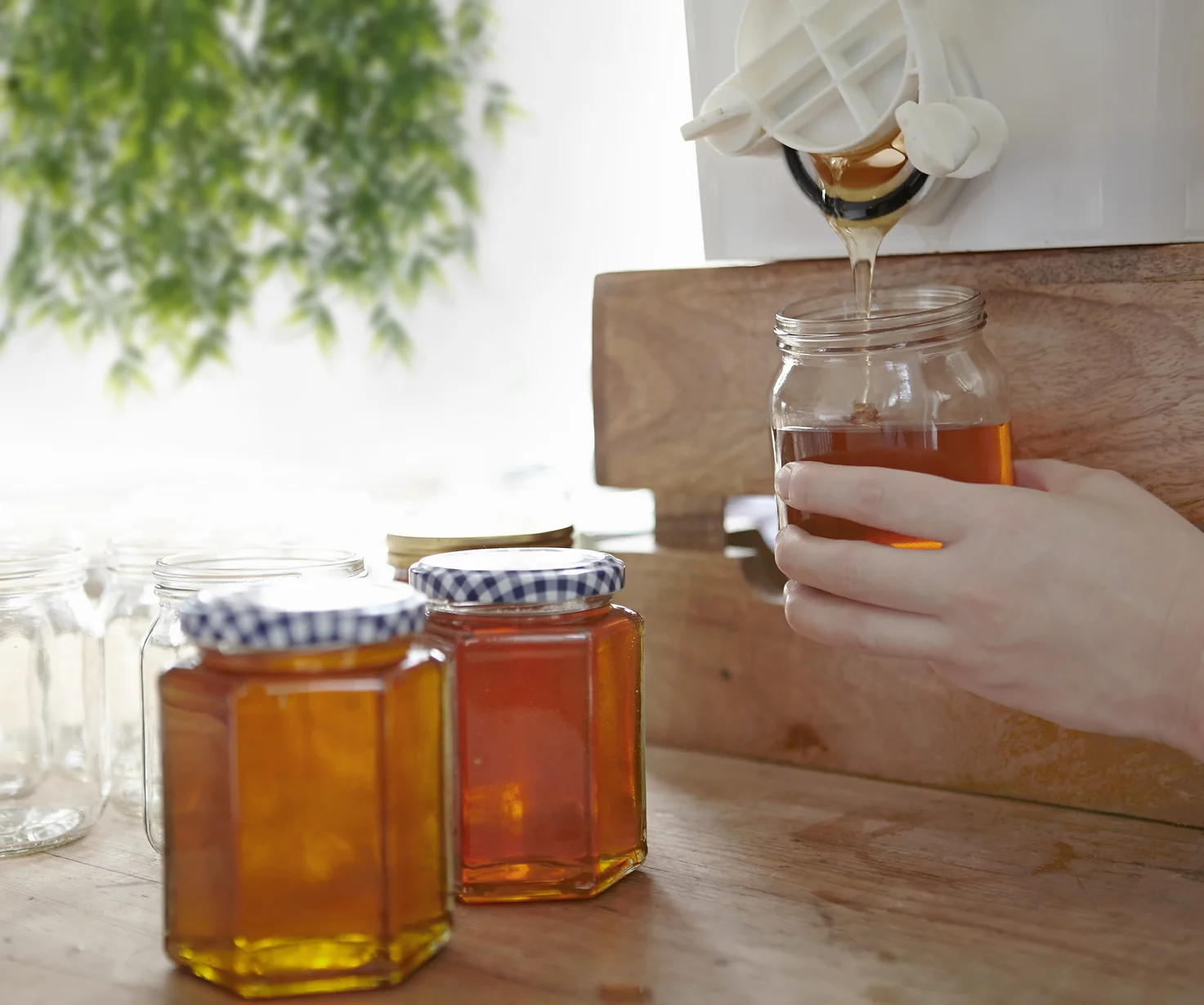
Honey is a source of healing for mankind
Our Holy Prophet (PBUH) has taught us the great benefits of honey as a Sunnah food. Scientists have also confirmed the beneficial effects of honey regarding medical and health issues. Honey is considered the ultimate food for internal and external benefits. Honey is healthy, natural, digestible, and a great source of energy. It contains carbohydrates, vitamins, enzymes, proteins, and lipids. It also contains a small amount of glucose, fructose, copper, and zinc.
Sunnah food Honey Benefits
- Honey cures diarrhea and is best for typhoid fever, internal and external ulcers, and gastric ulcers.
- It has natural enzymes that help digestion, internal wounds, and urinary tract infections.
- Honey cures anemia, insomnia, and chronic liver diseases and relaxes tight muscles.
- Honey reduces muscle fatigue.
- Honey increases complexion, and treats wounds, minor burns, dark spots on the skin and cracks on lips.
- Honey helps to soothe soar throat.
- Honey is better for blood sugar levels than regular sugar.
- Consuming a spoonful of honey with warm water may reduce sugar cravings and may help with an individual’s weight loss journey.
- Applying honey to hair may treat dandruff and scalp infections.
Dates
One of the most popular sunnah foods
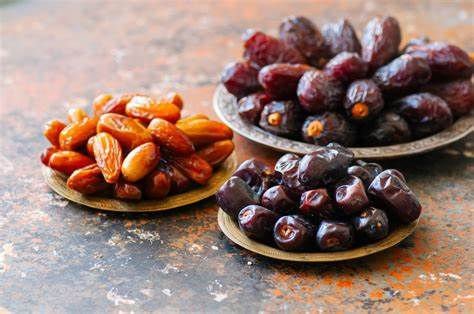
Our Holy Prophet (PBUH) would break his fast with dates, explaining: ‘When one of you breaks his fast, let him break with dates as they are blessed ‘{Sunan-al-Tirmidhi 695}. Dates are an excellent natural sweetener and a Sunnah food. This sweet fruit is packed with plenty of nutrients. Dates contain proteins, minerals, and vitamins and are high in fibre and potassium.
Sunnah diet Benefits
- Dates contain antioxidant compounds that protect the body from inflammation.
- The fibre in dates is extremely good for the digestive system, promotes bowel movement & reduces constipation.
- Eating dates may improve brain function & Heart health.
- Copper, selenium, and magnesium in dates help to keep the bones healthy, especially for people with arthritis & osteoporosis.
- Dates may promote natural labour, as in Surah Maryam, when she gives birth, she is told to consume dates.
- Dates allow the body to detoxify naturally.
- Dates increase the production of insulin. They are helpful in reducing blood sugar and fat levels.
- Dates have anti-aging properties & aid in maintaining skin elasticity.
- Dates are natural energy boosters and also aid in healthy weight loss.
Nabeez Sunnah Drink
One of the most popular sunnah Alkaline tonic
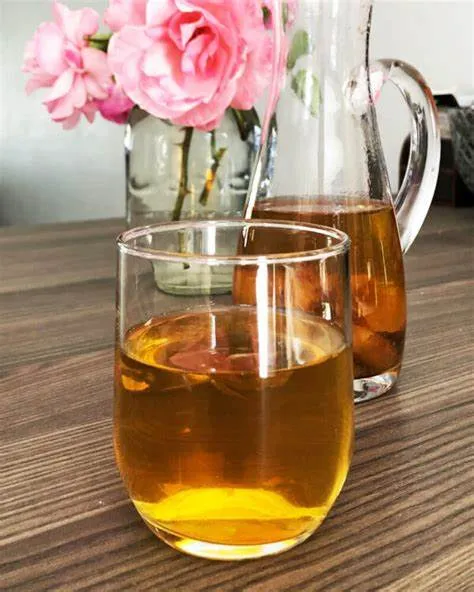
Nabeez is a prophetic drink and a Sunnah food recommended by Prophet Muhammad (PBUH). Sayydhina Ai’sha (RA) has said: ‘We would prepare this by putting a handful of dates and raisins into a Mashkeeza. If we prepared Nabeez in the night, the Beloved Prophet (PBUH) would drink it during the day, and if we prepared it during the day, He would drink it in the night.’ (Musnad Ahmad, vol. 9, pp. 301, Hadees 24263).
Sunnah Drink Benefits
- It is an alkaline tonic that removes acidity from the stomach.
- It enhances digestion as it is rich in soluble fiber as well as promotes the elimination of metabolic waste from the body.
- It protects against chronic illnesses.
- It is very effective in excreting toxins from the body.
- It improves bone and brain health and also helps reduce tumour-cell invasion.
- Nabeez Ingredients:
- Dates or raisins, almonds, barley (add whatever you like) Quantity: 3-4 dates
- Water Quantity: One glass.
Method: Soak dates overnight, drink the water in the morning, and eat the soaked dates as our Prophet (PBUH) used to do.
Note: Do not mix dates and raisins together. Use one at a time. The drink should be consumed within 12 hours of making it.
Dates with Cucumbers
One of the most popular Prophetic Dish
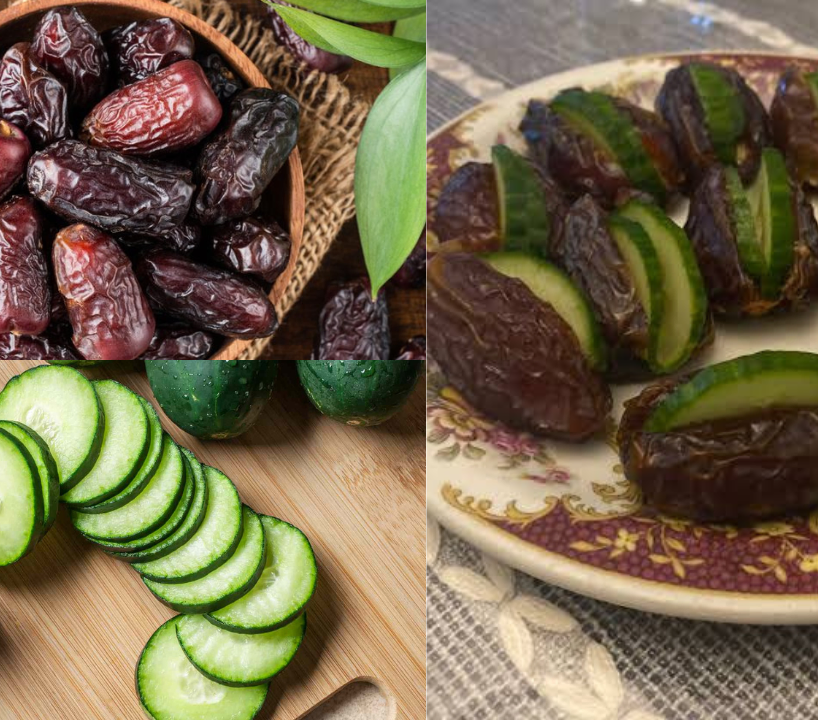
Ibn-Al-Qayyam, a great scholar, mentioned in his book Prophetic Medicine a hadith relating that the Messenger of Allah used to eat cucumber with fresh dates.
Abdullah Ibn Jaf’ar reported: “I saw the Messenger of Allah, peace and blessings be upon him, eating fresh dates with cucumbers.” [Sahih Muslim]
Prophet Muhammad (PBUH) combined cucumbers with ripe dates, saying, “The heat of the latter is reduced by the coolness of the former.” [Bukhari, Ibn Dawood, Muslim and Ibn- Majah]
Ibn al-Qayyam narrates in his work, Prophetic Medicine, the health benefits of cucumbers when eaten with dates. He narrates that the cucumber is cold and wet, so it should be eaten with something hot and dry, like raisins and dates, to rectify its negative effects on the body. This pairing reflects the wisdom of Sunnah foods in promoting balance and health.
Benefits of Sunnah Food Cucumber seeds:
Seeds of cucumber are very beneficial for several health problems. When the seeds of cucumber are dried, crushed, and boiled in the water, drinking that water quenches the thirst, helps produce urine, and soothes the pain in the prostate. Powder of cucumber seeds whitens the teeth when brushed with it.
Gain Weight with Cucumber and Dates:
A combination of cucumber and dates aids in gaining weight.
Hazrat Aaishaa’ (RA) narrates: “My mother wanted me to gain some weight before going (to the home of) Rasoolullah (SAW). Nothing helped me until she fed me fresh dates and cucumber, which helped me gain weight.”
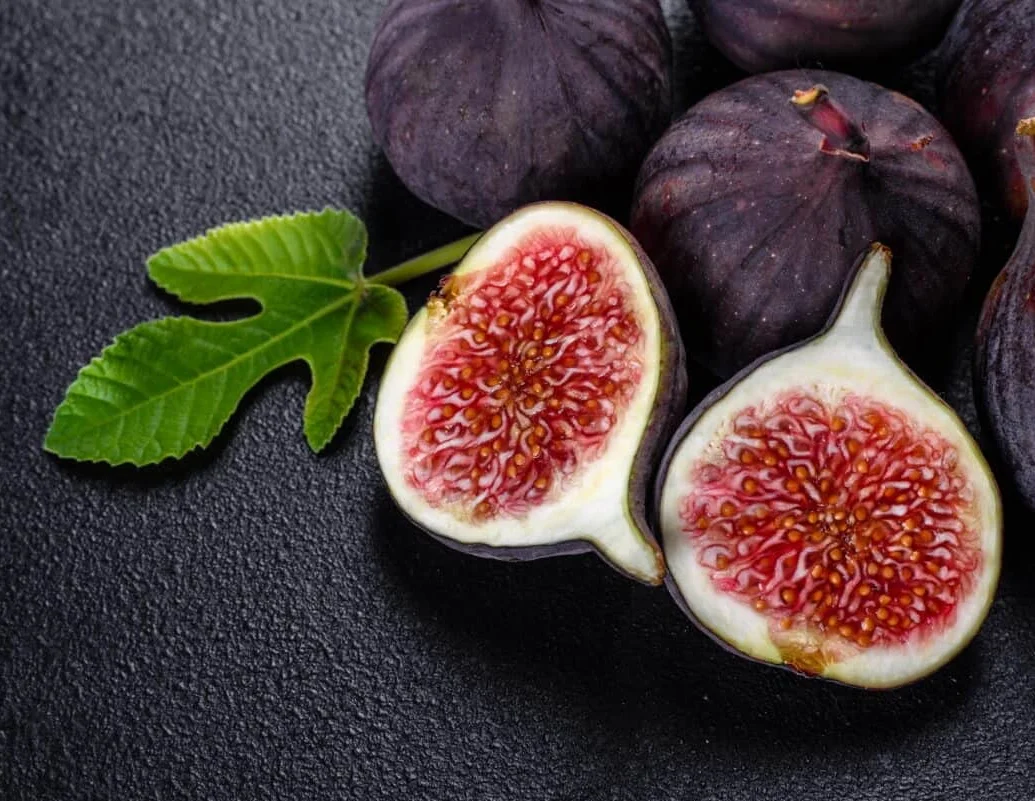
Super Sunnah Food Figs
Figs are one of the oldest crops cultivated by humans
Among the few fruits mentioned in the Holy Quran, an entire surah is named after them, At-Tin. They are also referenced in Ibn-al Qayyim’s ” The Prophetic Medicine.” The Holy Prophet (PBUH) mentioned: “Eat figs; if I would say a certain type of fruit was sent down to us from the heavens, I would say it’s a fig because it has no seed. It ends the piles and is useful for rheumatism.”
- Being rich in fibre, it aids digestion, helps with bowel function, and prevents colon cancer & breast cancer.
- Figs regulate blood sugar levels.
- Figs contain omega 3 & 6 that aid in the proper functioning of the heart, brain, and nervous system.
- The rich fibre in figs also reduces weight.
- Nutrients like calcium, potassium, and magnesium in figs may optimize bone health.
- Figa also helps to soothe and protect against sore throat and throat infections like tonsillitis.
- Figs contain tryptophan, which is used to create melatonin and is essential for sound sleep.
- Studies have found that figs may help to reduce wrinkles and fine lines.
- Nutrients in figs may promote blood circulation on the scalp and may also promote hair growth.
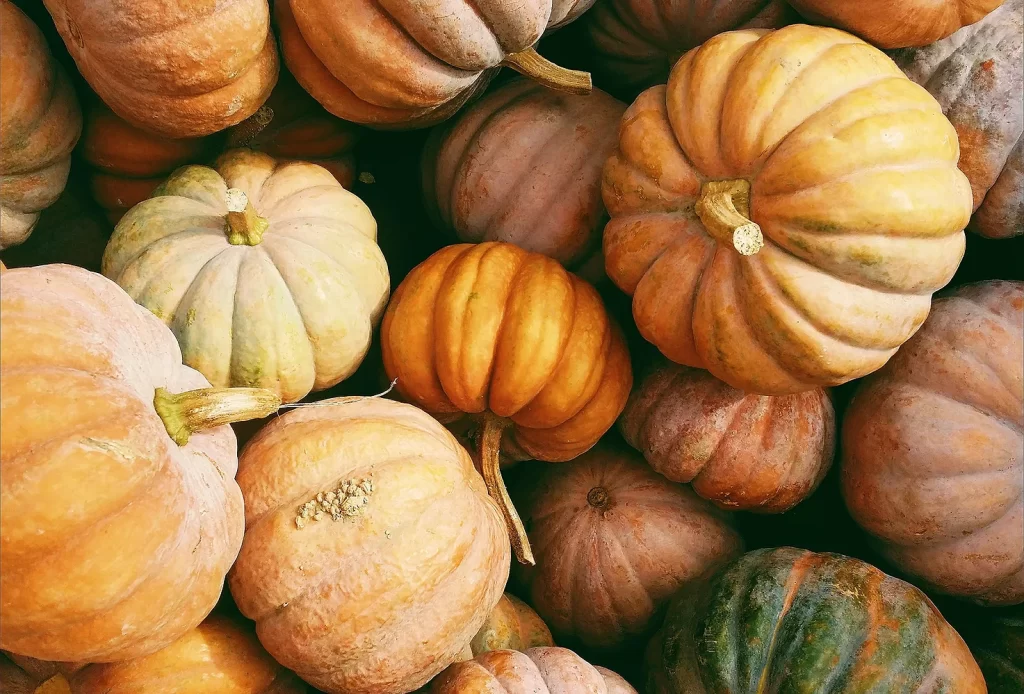
Pumpkin
The pumpkin is mentioned in the Qur'an, in the story of Prophet Yonus: " And we caused a plant of gourd to grow over him" Qur'an 36:146
Our Holy Prophet (PBUH) loved pumpkin so much, as narrated by Anas (RA): I saw the Prophet being served soup & containing gourd (pumpkin) and cured meat, I saw Him picking and eating the pieces of gourd, Bukhari V 7, 348. Prophet (PBUH) was once reported to ask His wife: “O Ai’shah! If you prepare a casserole, increase the squash in it as it strengthens the grieving heart.”
- Pumpkin is high in fibre, so it’s good for the heart and digestion. Being cold and dry, it relieves the heat of an inflamed stomach.
- Pumpkins have a large amount of antioxidant and anti-cancerous properties.
- Vitamin A in pumpkin aids in preserving vision, fighting infections, regulating cell growth & managing healthy skin and bones.
- Pumpkin regulates blood pressure and also helps to control diabetes.
- Pumpkins boost the immune system.
- Pumpkin seeds are a natural preventative against depression and anxiety.
- Pumpkins are low in calories and rich in vitamins and minerals.
Cucumbers
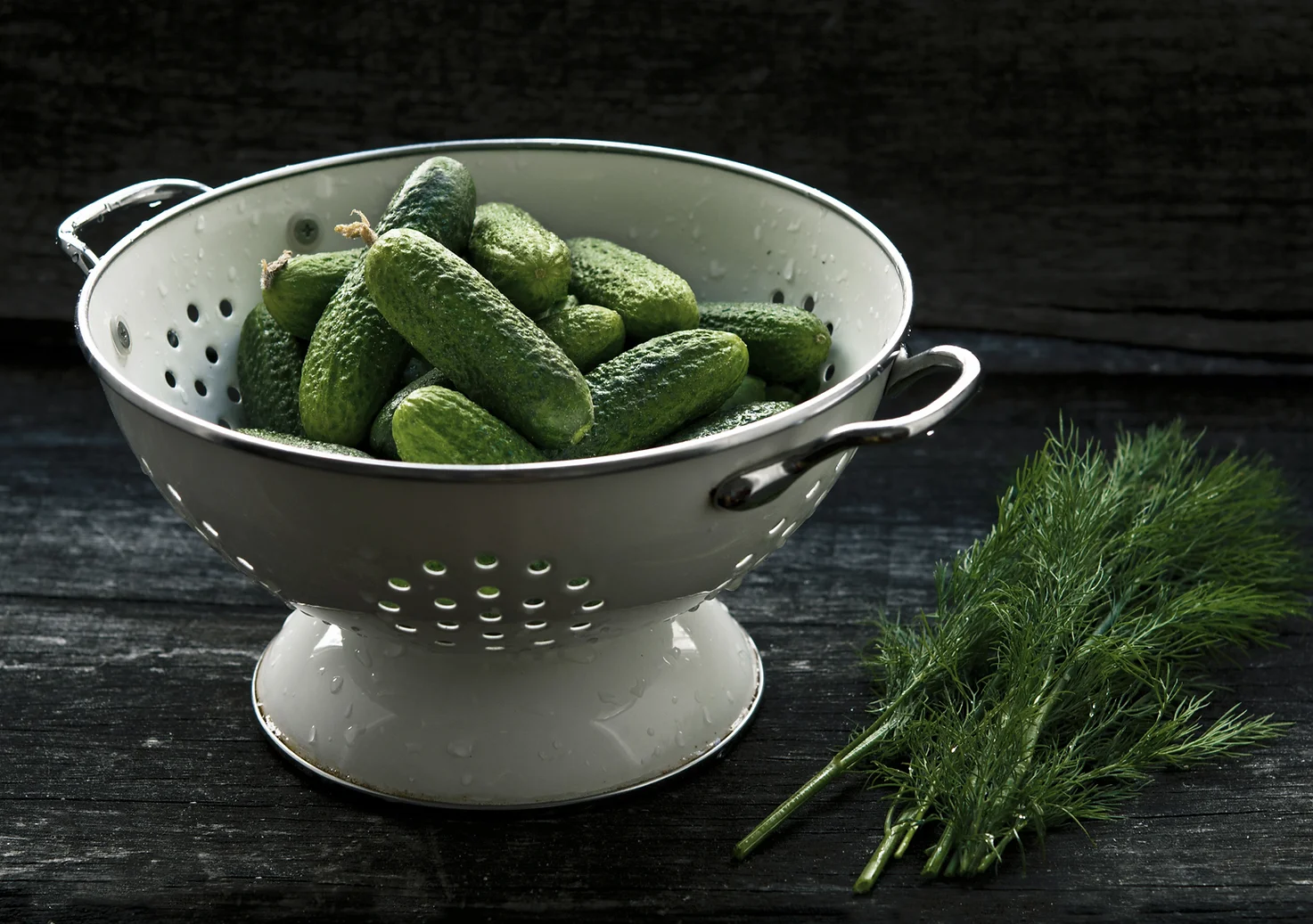
Abdullah ibn Ja'bar reported: I saw the Messenger of Allah (PBUH) eating fresh dates with cucumbers". Sahih Muslim.
Prophet (PBUH) combined cucumbers with riped dates, saying, “The heat of the latter is reduced by the coolness of the former“ (Bukhari). Ibn al-Qayyam mentioned the benefits of cucumber in “The Prophetic Medicine.” Cucumbers are a very powerful vegetable and contain 95% water, which makes them an excellent choice for hot summer.
- Cucumbers quench thirst.
- Being low in calories and high content of water helps to lose weight.
- Prevent complications of diabetes and reduce blood sugar levels.
- The fibre in cucumber improves digestion, constipation, hemorrhoids, bowel movements, and several colon diseases.
- Chewing a slice of cucumber kills the bacteria in the mouth, which leads to bad breath.
- Cucumbers are beneficial for pains in the bladder.
- Cucumbers, as a rich source of silicon, strengthen the connective tissues and relieve joint pain.
- Cucumbers fade away dark circles and puffy eyes, reduce freckles, cure sunburn, and tighten open pores.
Milk
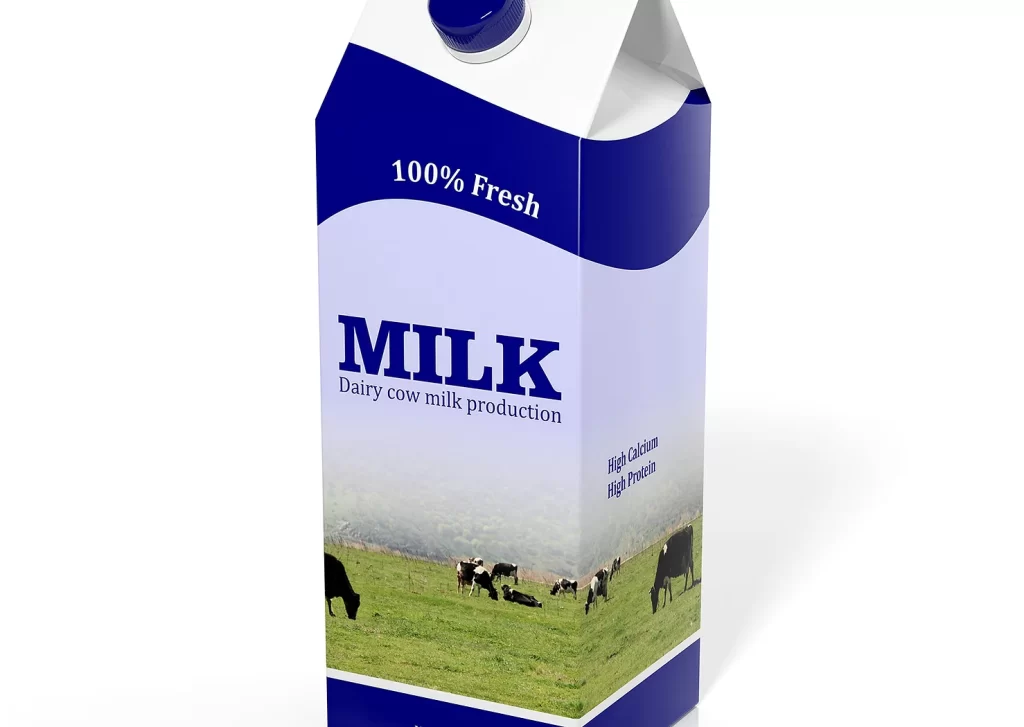
Holy Prophet (PBUH) loved drinking milk. Based on a hadith mentioned by Imam Tirmidhi, the Prophet said that nothing suffices as food and drink except milk.
Our Prophet (PBUH) used to recite a beautiful dua after drinking milk,“ Ya Allah, grant us a blessing in it (milk) and increase it for us.” Another sunnah is to rinse our mouth after drinking milk as milk has fat in it. As mentioned in the holy Qur’an (47:15), milk is a drink of paradise. Another hadith reports the Prophet (PBUH) said: “Upon you is cow’s milk, for it eats from all kinds of plants, and the milk is a cure for every disease.”
- Being a supreme source of calcium, it helps to prevent bone damage and nine-density loss.
- Milk has been documented to decrease osteoporosis.
- Milk contributes to reducing high blood pressure.
- Vitamins and minerals in the milk are necessary for brain development and DNA health.
- A glass of warm milk helps to relax the body during menstrual cramps or PMS. It calms the nerves, soothes the mind, and helps to fall asleep faster.
- Milk aids in balancing hormones, producing enzymes and skin tissues, and building muscles.
- The cold texture of milk calms the burning sensations caused by acidity.
- Apply raw milk to the skin to nourish it and reduce puffiness around the eyes and dark circles.
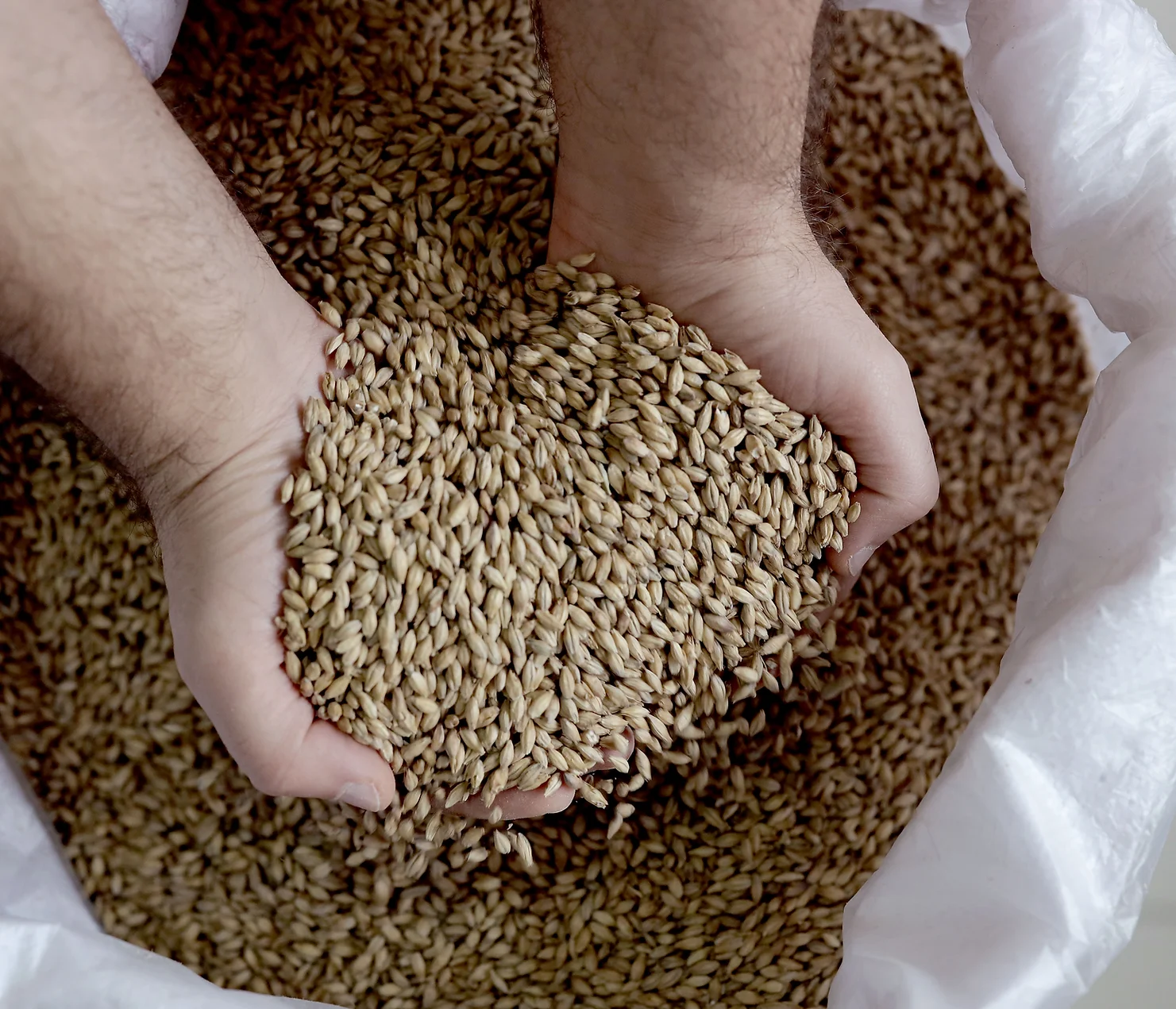
Barley
Barley was one of the main foods in the diet of our Holy Prophet (PBUH).
At least twenty-one ahadith recommend sattu (powdered barley). Talbina is a meal that contains sattu, milk, and honey. Scholars of ahadith have understood barley to be very nutritious and healthy for the body.
- Highly nutritious barley Strengthens the body’s immune system.
- Barley helps to lose weight by reducing hunger and cravings.
- Barley promotes a balance of good gut bacteria that plays an important role in digestion.
- Barley can reduce the formation of gallstones in the liver.
- Barley’s selenium preserves skin elasticity.
- Barley is a natural remedy for osteoporosis.
- Barley is beneficial for diabetic patients.
- Barley aids in the regulation of cholesterol levels.
- Barley stabilizes blood pressure.
- Barley has copper, which is very helpful in reducing the symptoms of arthritis.
- Iron in barley increases blood volume, which prevents anemia and fatigue.
- Barley facilitates proper kidney function.
- Zinc in barley speeds up the natural healing process.
- Barley is recommended for post-menopausal problems in women.
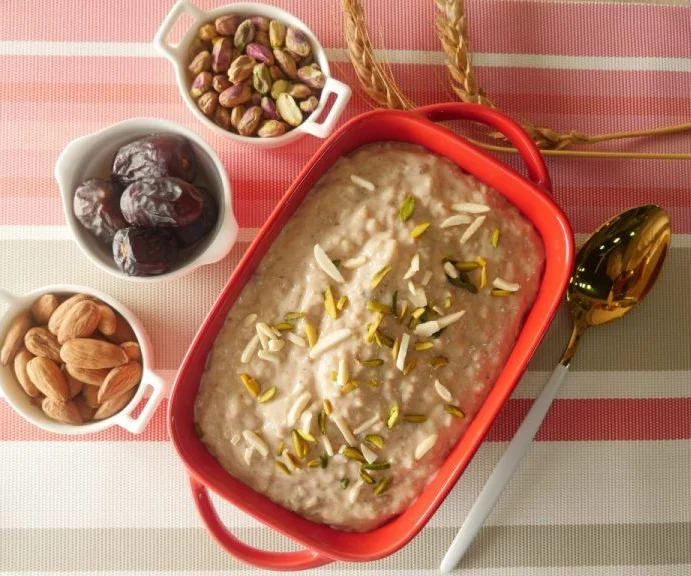
Talbina Recipe
The Prophet Muhammed (PBUH) recommended talbina for the sick and grieving. He said, "At-talbina gives rest to the heart of the patient and makes it active and relieves some of his sorrow and grief" (Bukhari 7:71#593).
Aisha (RA) said:“ When a member of the family of the Prophet (PBUH) would fall sick, He would order that barley soup would be made, and the ill person would command to have some of it as it strengthens the heart of the sick person“ [Ibn Majah].
Talbina, barley porridge is delicious and nutritious. Talbina clears the toxins from the stomach. The fibre in talbina helps to ease digestion and prevent constipation and gastrointestinal issues. It also aids weight loss and reduces cravings and calorie intake. It has shown great significance in reducing type-2 diabetes. Talbina is an amazing remedy for depression.
Ingredients to prepare Talbina:
- One cup Milk
- 2 tbsp Barley flour
- Honey ( to taste)
- Dry fruits, dates, seeds, and dried apricots ( Optional )
Method:
Roast barley powder, boil milk and add everything, including roasted barley. Cook for 10 minutes and enjoy nutritious and delicious talbina.
WaterMelon
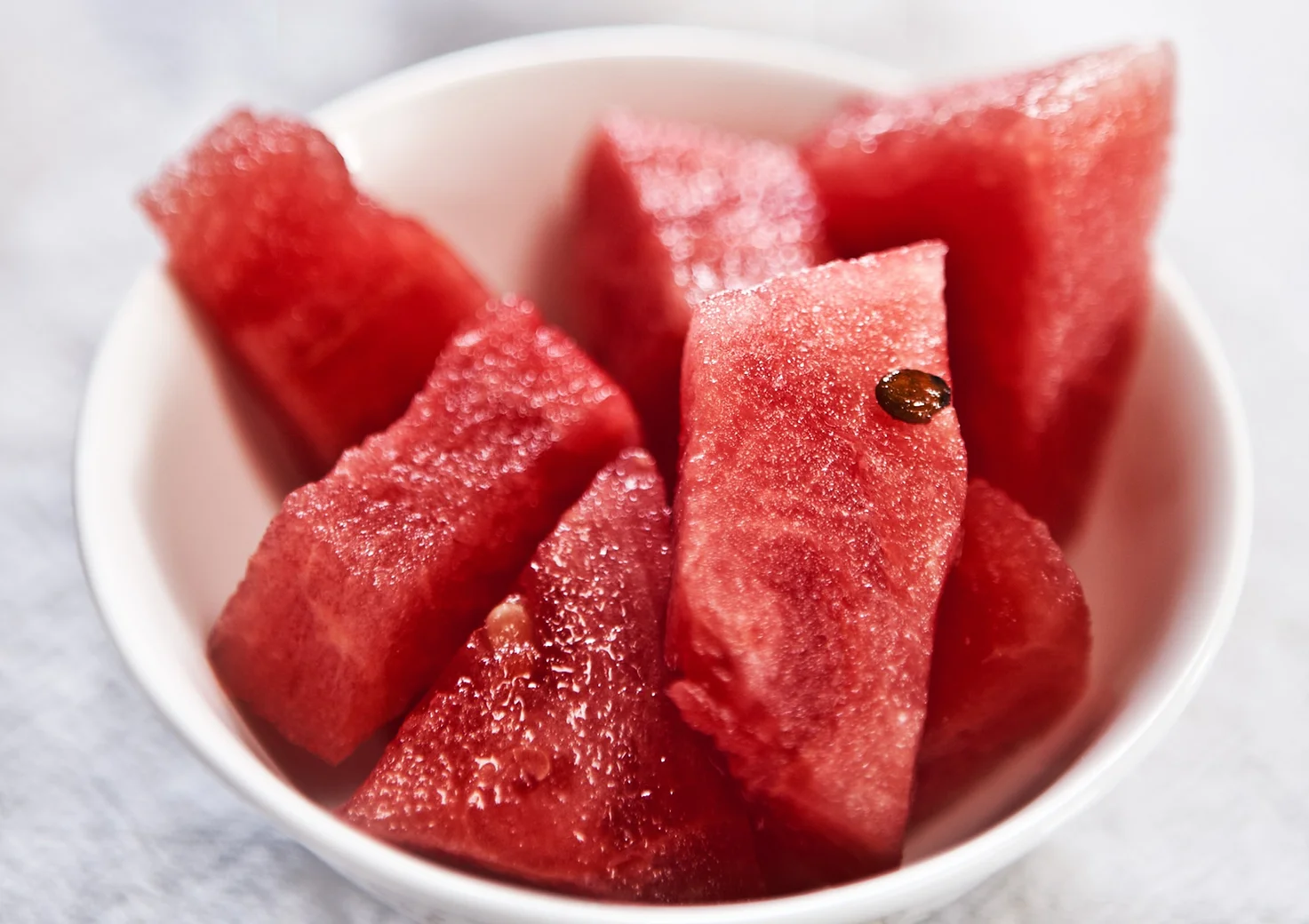
Ai'sha (RA) narrated that the Prophet used to eat watermelon with fresh dates, saying: "The heat of this substance (dates) neutralizes the coldness of that (watermelon)'.
Ibn al-Qayyim discussed watermelon in “The Prophetic Medicine“ saying, to gain the full benefits of watermelon, it should be eaten in the season before a meal.
Prophet (PBUH) stated: “Eating watermelon before meals will cleanse one’s stomach and prevent illness.“
- It boosts the body’s defence system against viruses and infections.
- One of the best natural detoxifying agents.
- It helps relieve muscle pain and soreness.
- Watermelon helps you lose weight. The fibre content in the watermelon fills you up and leaves you satisfied longer than any sugary dessert.
- Amino acids in watermelon are powerful anti-inflammatory agents. The cold texture of watermelon cools down inflammation, too.
- 92% of water in watermelon makes it a great choice for daily water intake.
- Watermelon may support heart health.
- Watermelon is an alkaline food that helps to maintain the PH levels of our bodies.
- Vitamins A and C in watermelon improve skin health by repairing damaged cells.
Olives
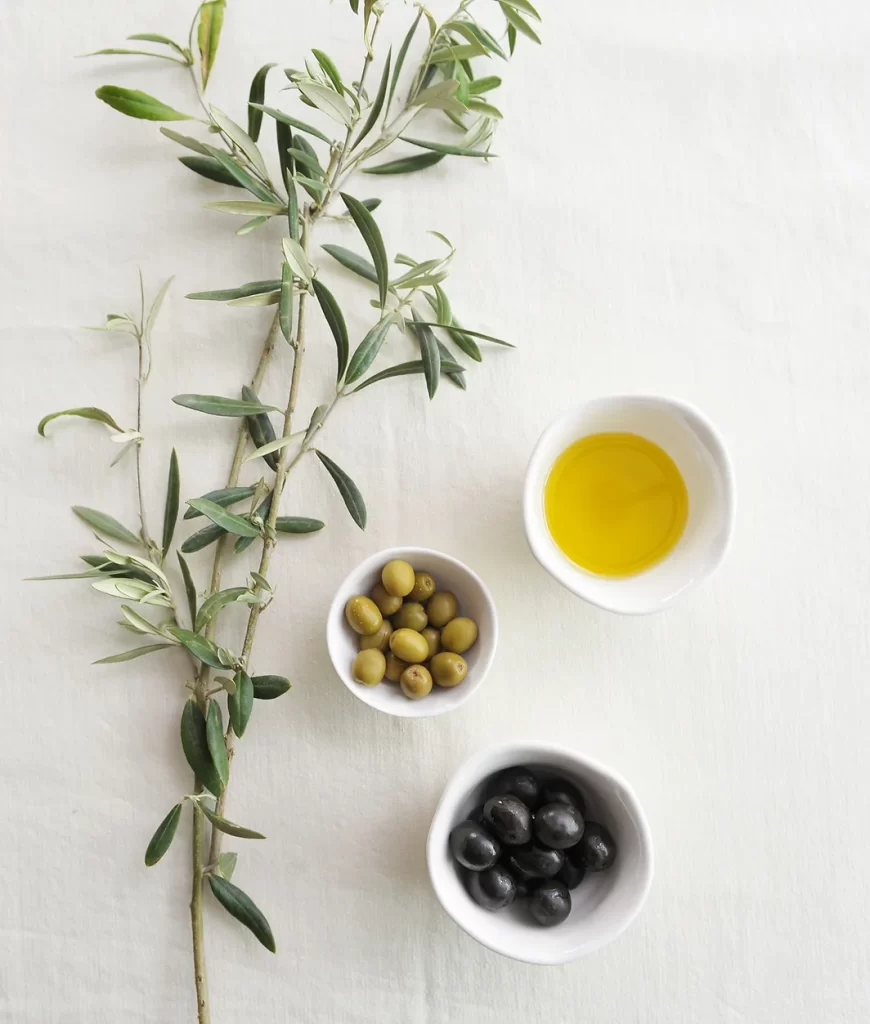
Olives have been mentioned seven times in the Holy Qur'an.
According to Ahadith, olives and olive oil have great significance. The Holy Prophet said: “Eat olive oil and use it on your hair and skin, for it comes from a blessed tree. [al-Tirmidhi 1775]“ Health benefits of olives have also been mentioned in prophetic medicine. There are many different varieties of olives, and each variety offers spectacular health benefits.
- Olives are rich in antioxidants that fight inflammation.
- Improves heart health, eliminates excess cholesterol & controls blood pressure.
- Improves bone mass and bone quality.
- An excellent source of strengthening hair and skin, it also slows down the process of aging.
- Boosts iron levels by keeping energy levels consistent.
- Olives have cancer-fighting properties.
- Olives can be a part of your weight-loss diet because of their rich fibre content and healthy fats.
- The fibre in olives stimulates the digestive tract, and gastrointestinal health also reduces the risk of gallstone formation.
- Olives contain compounds that help with seasonal allergies.

Vinegar
Saddhiyana Ai'sha narrates that the Prophet (PBUH) said: " How great vinegar is as a gravy. [Sahi Muslim]"
As reported by Jabir: “I entered the house of the Prophet with him, and there was some bread and vinegar. The Messenger of Allah said: ‘Eat; what a good condiment is vinegar.“ (Sunan an- Nasa’i 3796)
Vinegar can be used in different remedies or supplements for several ailments like high BP, high cholesterol, diabetes, weak bones, arthritis, infection, soar throat and digestive infections.
- Vinegar may prevent indigestion and heartburn.
- Apple cider vinegar may help to lose a few extra pounds & may help with weight loss.
- Vinegar controls blood sugar levels and reduces the risk of blood sugar spikes.
- The fibre in the vinegar helps to absorb fats & cholesterol by expelling toxins away from the body.
- Vinegar can also be used for skin pigmentation and dark spots. It helps to exfoliate the skin.
- Minerals in vinegar may help to develop bone mass and make them stronger.
- Vinegar can also be used as a natural cleaning agent.
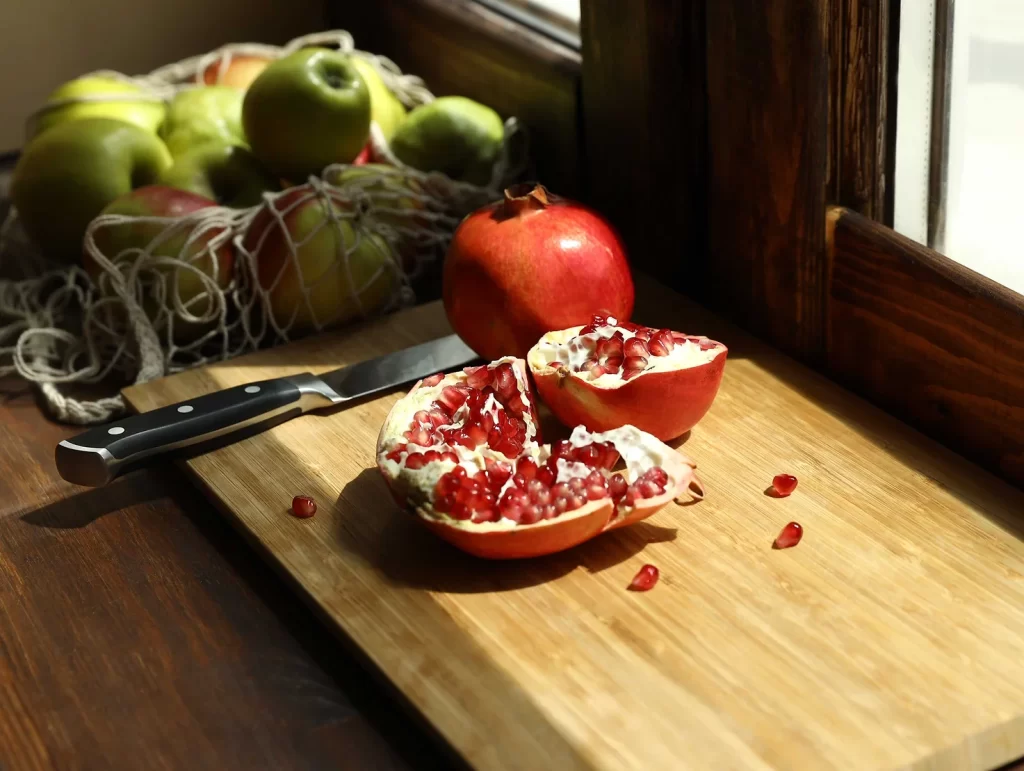
Pomegranate
Rasulullah (saw) said, "Pomegranate and its rind strengthen digestion(stomach).[Abu Nuaim]"
Hazrat Anas (RA) once asked Rasoolullah ﷺ about Rumman (pomegranate). Rasoolullah ﷺ replied that there is no Rumman (pomegranate) in which there isn’t one seed of Jannah’s (pomegranate).
[Abu Nu-aim: 363]
This means every Rumman(pomegranate) has one seed of Jannah.
Hazrat Ali (RA) says that Prophet (PBUH) said: “Eat pomegranate and its internal coating, it coats the stomach.”
- Consuming pomegranate juice may reduce the traces of chronic inflammation in the body.
- Pomegranate slows down the growth of cancer cells.
- Pomegranate helps to lower cholesterol levels and blood pressure.
- It is good for stomach infections.
- Pomegranate extract may help to reduce the formation of kidney stones.
- It may also help to stop diarrhea and vomiting.
- Eating pomegranates is good for digestion and strengthens the heart, lungs, liver, etc.
- Anemic patients should eat pomegranates most often.
- It is helpful for infection, colds, and coughs and reduces swelling.
- Pomegranates are best for pregnant ladies.
- Pomegranates are a power-packed fruit. They energize and rejuvenate the skin and remove weakness.
Grapes
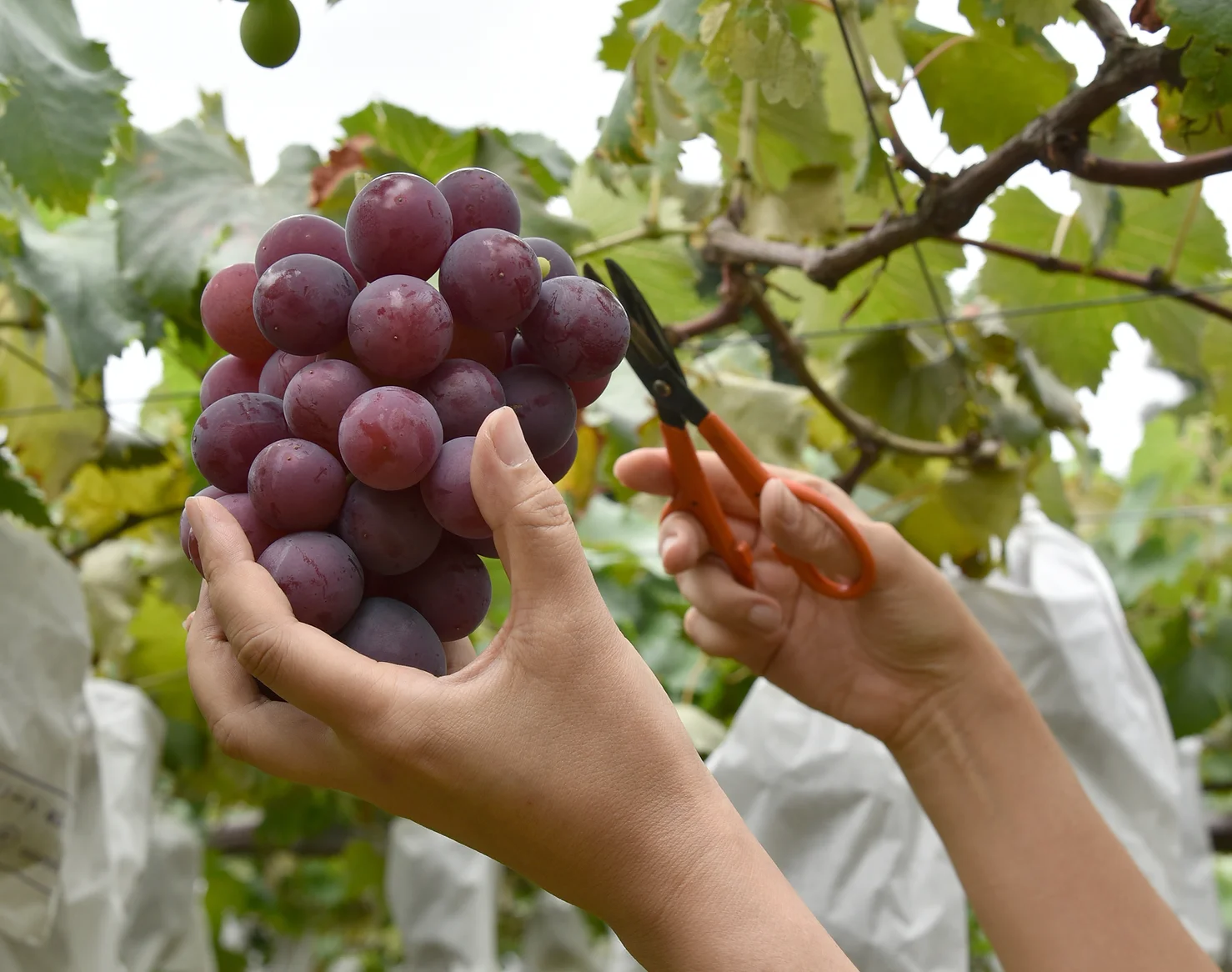
Grapes are mentioned in the Holy Quran six times
They grow in various parts of the world. More importantly, they are among the fruits that will be available in paradise.
In the Holy Quran, grapes are mentioned as:
“And We brought forth for you thereby gardens of palm trees and grapevines in which for you are abundant fruits and from which you eat“ (23:19)
“And We have placed gardens of date palms and grapes. We have caused springs to gush forth therein, so that they may eat fruits thereof. They did not make it with their own hands. Would they not then offer gratitude?“ (36:34-35)
Ibn Al Qayyim said that grapes are more than just a fruit. They are food, condiment, drink and a medicine.
- Grapes are a great source of vitamins A & C and offer plenty of health benefits.
- Certain brands of grapes increase the amount of good cholesterol.
- Polyphenols in grapes not only improve skin health but also protect against cardiovascular issues, diabetes and cancer.
- Insoluble fibre in grapes regulates bowel movement. This fruit is a good choice for IBS.
- Healthy nutrients in grapes repair wounds and heal infections quickly.
- Grape juice enhances brain health. It is a good choice for Alzheimer’s patients.
- Free radicals in the atmosphere can damage a body’s cells, and the antioxidants in grapes protect the body from harmful free radicals.
Squash
Prophet Muhammad (saw) loved squash. He was once reported to have asked his wife, 'A'ishah: "O A'ishah! If you prepare a casserole, increase the squash in it, as it strengthens the grieving heart". [Jauziyah, 2001]
“Anas ibn Malik said: “The Prophet loved gourd. A tailor once invited the Prophet over some food he had made. Anas went with the Prophet, and the tailor brought him some bread made from barley and soup with gourd and dried meat. Anas said, ‘I saw the Messenger of Allah follow the traces of the gourd all around the edge of the pot (with a piece of bread), which made me love gourd ever since”. Bukhari and Muslim
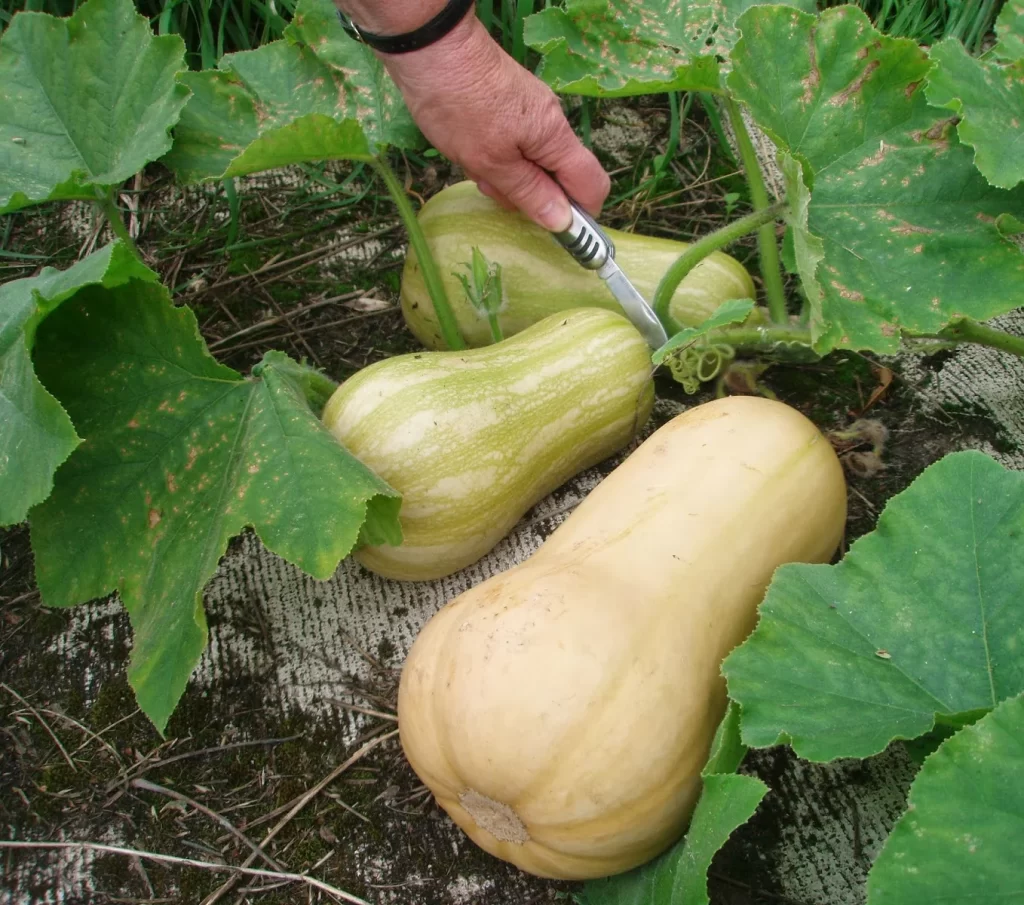
The squash is herbaceous. Its fruit harvested while the seeds remain soft, edible, and immature. These vary significantly in size, shape, color, and flavor.
- Summer squash is 94% water, helping to keep you hydrated.
- Winter squash is hard, has thick skin, has seeds and contains a high amount of vitamins A & C and iron.
- Summer squash is fat-free and low in calories, a good choice for weight loss.
- Yellow squash may reduce the risk of heart disease.
- Squash contains an abundant amount of manganese and vitamins that help to maintain healthy bone structure.
- Eating squash regularly reduces the symptoms of PMS in women.
- Vitamin C in squash boosts the immune system.
- The high-fibre content in squash prevents constipation.
- The fibre in the squash fights against diabetes and controls blood sugar levels.
- Squash reduces cholesterol levels.
- Squash regulates blood pressure by relaxing blood vessels and arteries.
- This vegetable lowers the risk of developing asthma.
- Squash is rich in antioxidants, minerals and vitamins; squash is very beneficial for the skin.
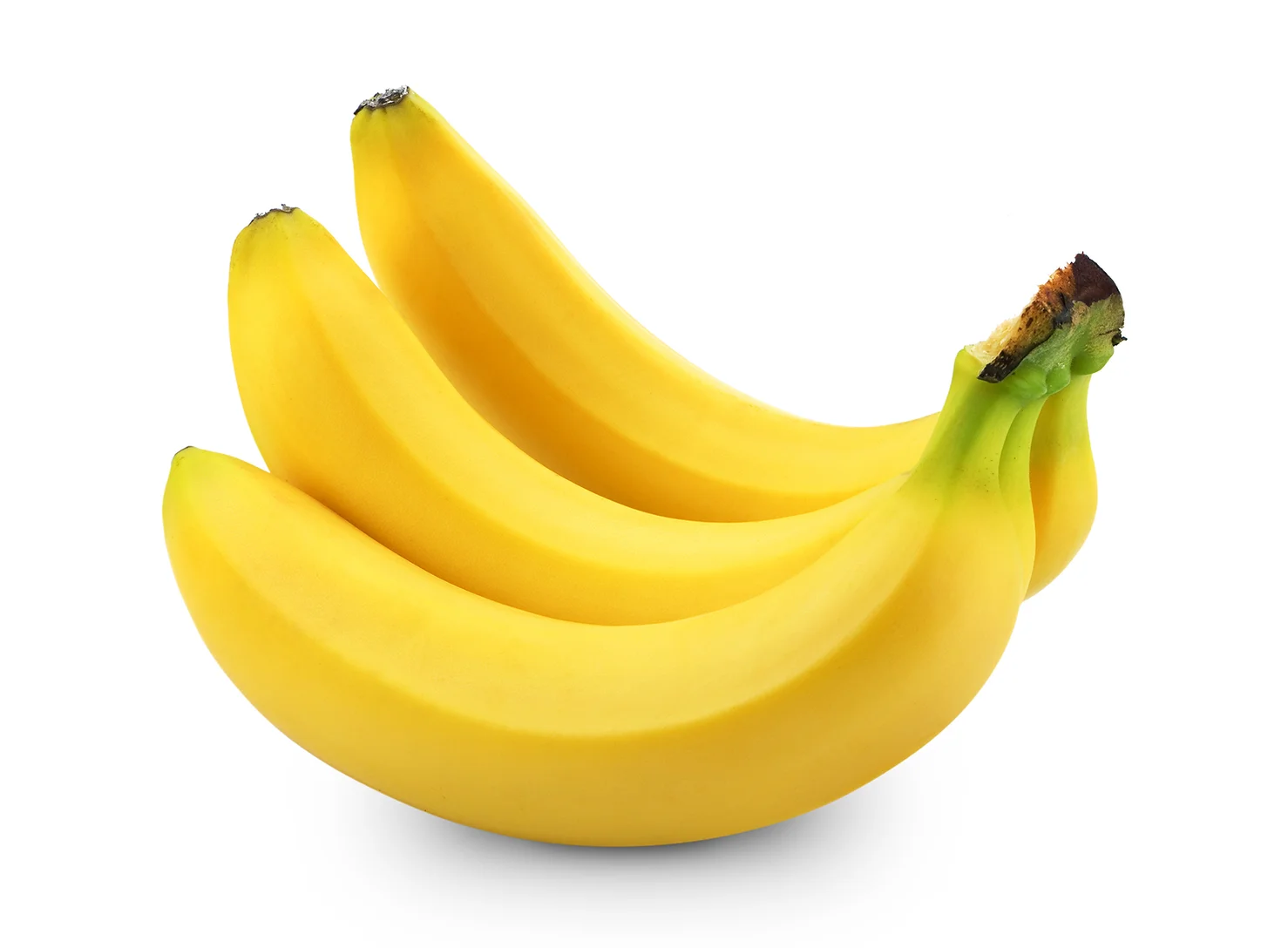
Banana is also considered a fruit of Paradise.
As mentioned in the Holy Qu’ran: “And the People of the right? How (lucky) are the People of the Right? amid lote-trees with no thorns, and the trees of TalH, (banana, or a fragrant tree) having layers one upon the other, and a shade, spread all over…” (56:27-30). Bananas are incredibly healthy, delicious, inexpensive and one of the most convenient fruits that anyone can buy from anywhere.
- Bananas may help with PMS symptoms in the body.
- Bananas help a body’s circulatory system deliver oxygen to the brain which is necessary to regulate heartbeat and lowering blood pressure.
- Bananas help to regulate weight fluctuations. It is called weight loss friendly fruit. Starch in the unriped banana keeps your tummy full for longer and reduces the appetite.
- Potassium rich banana lowers the blood pressure and supports heart health.
- Consuming unriped banana everyday improves insulin sensitivity which makes the body more responsible to regulate blood sugar hormones.
- Banana has anti-depressant properties, it supports a good mood.
- Eat a banana before going to bed and enjoy a sound sleep.
- Banana helps to diminish water retention.
- High amount of calcium in banana supports hone health.
- Bananas are rich in glucose and the sugar in bananas is an energy booster.
- Bananas help detoxify the body naturally.
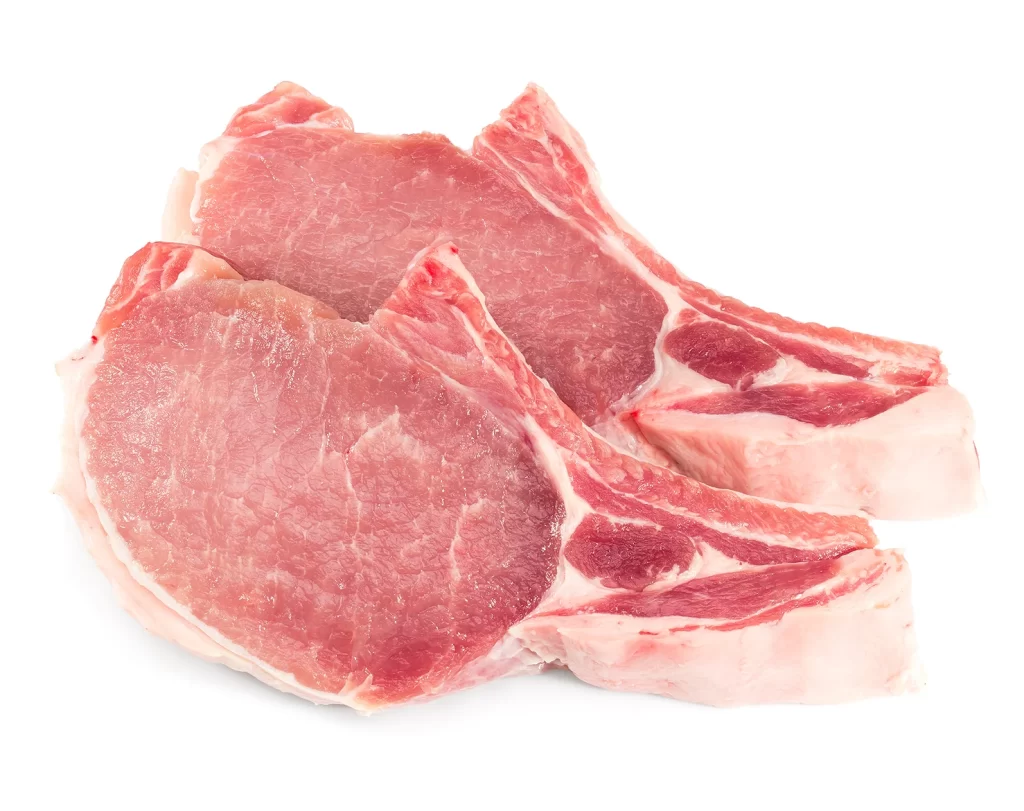
Meat
Meat is a food from paradise. As mentioned in Holy Qu'ran. "And We shall provide them with fruit and meat, such as they desire. (At-Tûr 52:22)
Ibn Jawzi said: “The Prophet (PBUH) used to eat meat whenever it is available and he also ate chicken”. According to the Prophet (PBUH), meat is the king of foods as it is full of protein and minerals like Zinc, Iron etc. The Almighty has said: “O (you) Messengers! Eat of the tayyib [all kinds of halal (legal) foods], and perform righteous deeds.” [23:51] the Almighty has said: “O you who believe! Eat of the lawful things that We have provided you.” [2:172]”
- Low iron levels and anemia can be controlled by consuming meat.
- Proteins, vitamins and minerals are necessary to support a healthy pregnancy.
- Meat should be incorporated into the regular diet to maintain psychological health. Omega-3 fatty acids are necessary to decrease the symptoms of dementia and Alzheimer’s.
- Iron in the meat helps to deal with insomnia.
- Proper intake of meat helps to improve the immunity of the body and the ability to fight diseases.
- Red meat may aid to maintain cholesterol levels due to the high content of minerals.
- Protein and zinc found in red meat facilitate muscle growth and body strength.
- Proteins in the meat provide moisture and a natural glow to the skin.
- Red meat generates energy in the body and keeps you energized throughout the day.
Black seeds
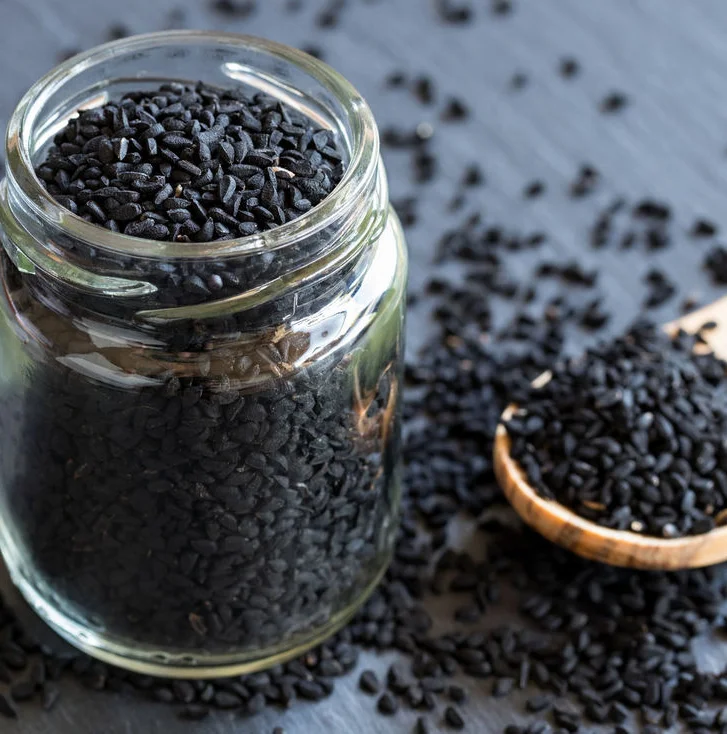
Abu Hurayrah narrated that the Prophet said: “Use this Black Seed regularly, because it is a cure for every disease, except death.” [Al-Bukhari and Muslim]
So according to this hadith, there is a cure for every disease in Kalonji, except for death. Hence we should make it a habit to eat a few black seeds every morning to boost our immunity, especially in times of Covid. Black seeds are taken from a plant called Nigella Sativa. This plant is found in Europe and Asia. Muslims have been using black seeds for thousands of years. It is not only a prophetic herb, but it also holds a unique place in the medicine of the prophet (PBUH).
- Black seeds help to build a strong and healthy immune system.
- Black seeds have antiasthmatic properties for patients with asthma.
- Black seeds have antibacterial, antifungal and antiviral properties.
- They fight inflammation and protect the body from harmful viruses.
- If you want to prevent stroke, chest pain, heart attack, and other heart-related conditions, add a teaspoon of black seeds to a cup of warm water and drink it before breakfast.
- It aids in the digestion of food and keeps the digestive system in the best shape. It also provides relief from several stomach disorders.
- The intake of black seeds regulates menstruation.
- Black seeds also treat high blood pressure.
- Black seeds work effectively for the treatment of several types of cancers including breast cancer.
- Black seeds help to treat diabetes.
- Black seeds help to improve the vision.
- To treat gallstones, take a teaspoon of black seeds and mix it with a cup of warm water and some pure honey to drink twice per day. You also can mix some teaspoons of black seeds, some honey, with some olive oil and drink before you sleep at night.
- Black seeds are a good choice for hemorrhoids, known as piles.
- One of the best benefits of black seeds is that it helps to reduce the symptoms of migraine and headaches.
- Taking a teaspoon of black seeds in the morning and at night before sleeping helps to burn fats and calories naturally and aids for weight loss.
Benefits of Black Seed Oil
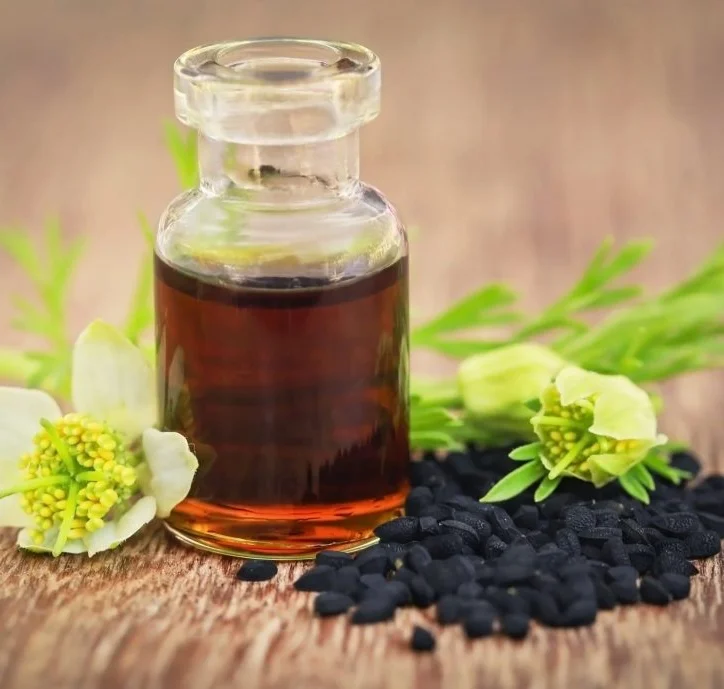
Black seed oil is extracted from Nigella Sativa seeds and has been used in traditional medicine for over 2,000 years due to its many therapeutic benefits.
Ibnul Qaiyum said, “The black seed helps against all types of cold ailments. When ground, blended with honey and drunk with some water, it will dissolve the stones that appear in the kidney and the prostate. Black seed oil when twenty-five grams of it is drunk with water, it will help against gasping and hard breathing”[Translated ‘Medicine of the Prophet’ by Ibnul Qaiyum].
- Black seed oil may be beneficial by helping clear symptoms of skin conditions such as eczema, acne, or psoriasis.
- Black seed oil may be able to speed up the process of wound healing.
- The anti-inflammatory properties of black seed oil may also help alleviate symptoms like indigestion, nausea, abdominal distention, bloating, vomiting, diarrhea, or constipation.
- Black seed oil is commonly used to help with a variety of skin conditions and to hydrate hair.
- Black seed oil may help to reduce joint inflammation.
- To treat eczema or rashes, mix a teaspoon of olive oil, a teaspoon of honey, and a teaspoon of black seed oil. Apply the mixture to the affected skin twice per day.
- To reduce muscular pain, use some black seed oil to apply on the infected area and massage the area for several minutes. You should do it every day to reduce the pain effectively.
- Black seed oil may have antidiabetic properties and improve blood sugar levels.
- Swallow a teaspoon of black seed oil every day to treat throat disorders, dehydration and dry mouth.
- To relieve back pain, you can use black seed oil to rub on the back and massage the back before bedtime.
Citrus Fruits
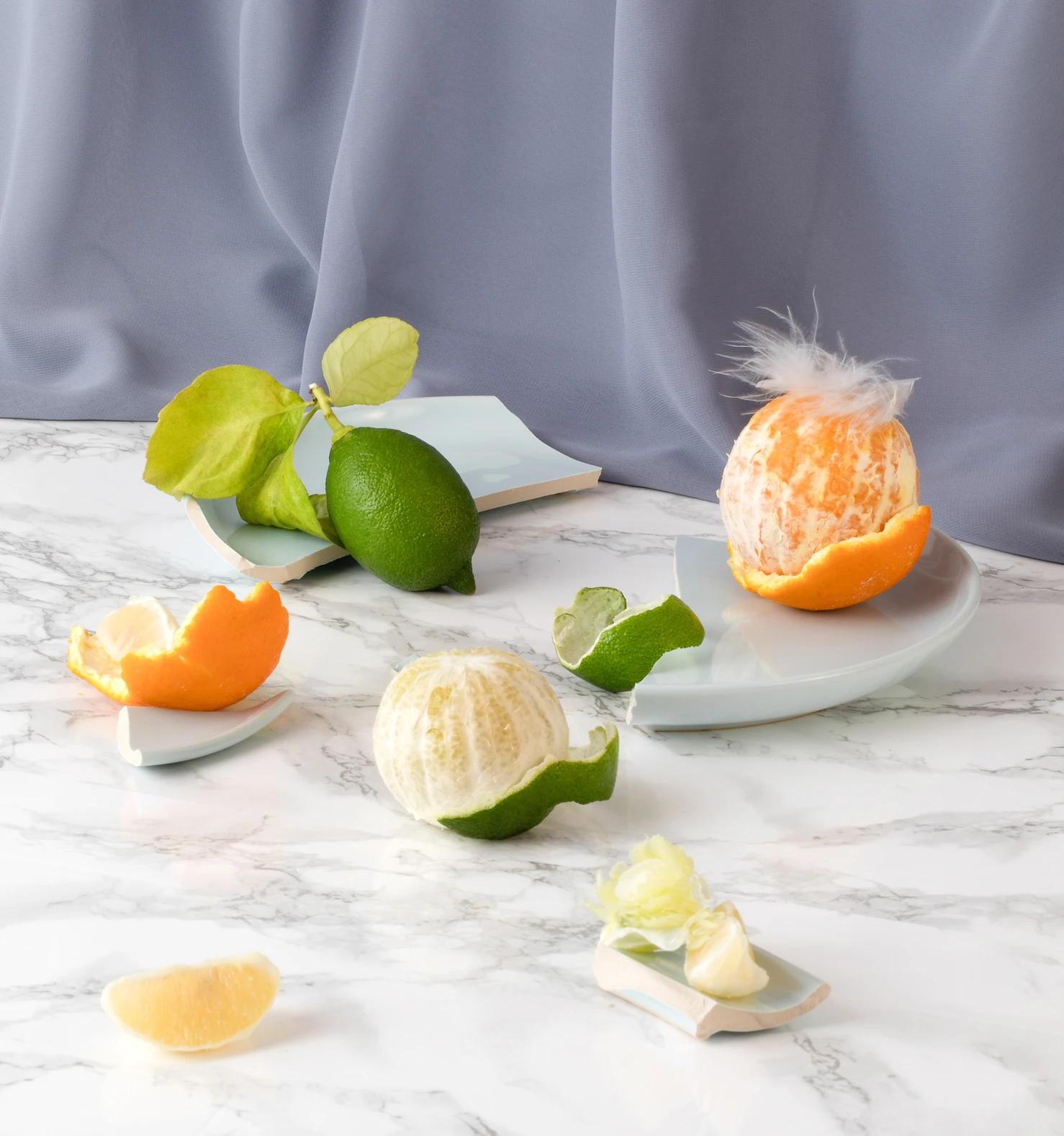
The Messenger (saw) said, “The example of a believer who recited the Qur’an, is that of a citron which smells good and tastes good.” [Bukhari]
Citrus fruits are the favoured fruit of the Quran and Hadith. Similarly, just as the Quran will provide a healthy spiritual life, citrus fruits can provide a healthy physical life for the believer. All citrus fruits are packed with many valuable nutrients. The most important of these is vitamin C. Hazrat Masrooq(RA) says that he found Hazrat Aisha (RA) feeding Hazrat Ibn Umme Maktoum (RA) (a blind) with oranges dipped in Honey. Hazrat Abdul Rehman Bin Dilham (RA) says that Nabi (PBUH) said that for you Oranges (citron) have many benefits, it reduces heart diseases & strengthens the heart.
- Citrus fruits (lemons, limes, oranges, grapefruit etc) are rich in vitamin C which can help protect against the cold and other illnesses.
- Citrus fruits are high in fibre and can help boost gut health.
- They help to prevent constipation.
- Increasing fibre intake may protect against conditions like hemorrhoids, acid reflux and diverticulitis.
- Oranges are high in soluble fibre, which helps lower cholesterol levels.
- Citrus fruits are low in calories, making them a smart choice to maintain weight.
- Drinking citrus juices and eating these fruits may help lower the risk of kidney stones.
- Eating citrus fruits could be good for your heart.
- They also contain anti-inflammatory and pain-relieving properties and can relieve heartburn, nausea and vomiting.
- Citrus fruits can help maintain a healthy mouth and act as a natural remedy for bad breath.
- Citrus fruits quench thirst and hydrate the body.
- Citrus fruits reduce wrinkles and freckles. Citrus fruits maintain blood sugar levels
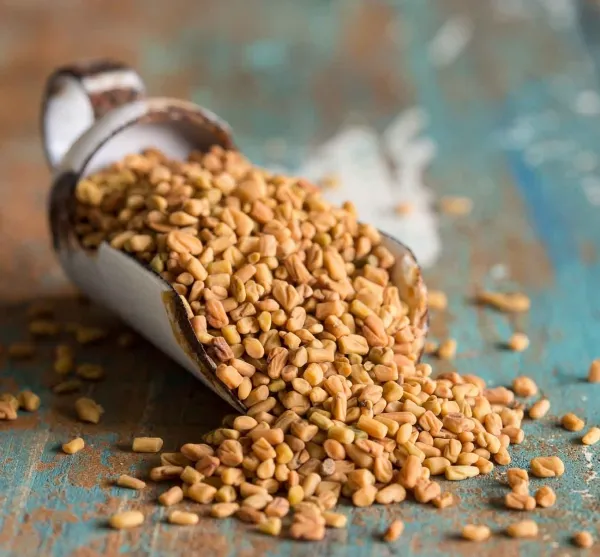
Fenugreek Seeds
Prophet Muhammad (PBUH) once said, "If my people knew what there is in Fenugreek, they would have bought and paid it weight in gold."
Ibn al-Qayyim stated about fenugreek seeds in his book on “The Prophetic Medicine” as a leguminous herb. Ibn al-Qayyim recommended cooking fenugreek seeds with dates, honey or figs and eating this on an empty stomach to dissolve phlegm and relieve cough.
- Fenugreek seeds are known for their anti-diabetic properties. The high-fibre content in fenugreek seeds may be beneficial for supporting blood sugar levels.
- Fenugreek seeds are a popular folk remedy to enhance breast milk production.
- Fenugreek tea may also treat menstrual cramps.
- Fenugreek seeds are considered ideal for treating sinus and lung congestion.
- Consumption of fenugreek seeds on regular basis may lower the risk of heart disease.
- Fenugreek seeds may also protect against break or colon cancers.
- Fenugreek seeds may help to reduce menopause symptoms in women.
- Fenugreek seeds may relieve soar throat and reduce swelling and inflammation caused by soar throat.
- Instead of medication fenugreek seeds are a great alternative for constipation.
- These seeds have many beneficial properties that help to inhibit the development of kidney stones in your body.
- Fenugreek seeds also help to lose weight.
- To improve anemia, use fenugreek seeds regularly while cooking.
- Fenugreek is effective in healing wounds. Apply fenugreek extract to the affected area to fasten the healing process.
- Fenugreek also alleviates insomnia, dizziness, anxiety and depression.
- Apply fenugreek paste on the face to get rid of blackheads and whiteheads.
- Fenugreek paste can also treat acne and acne scars.
- Fenugreek paste may also help to prevent wrinkles.
Coriander Seeds
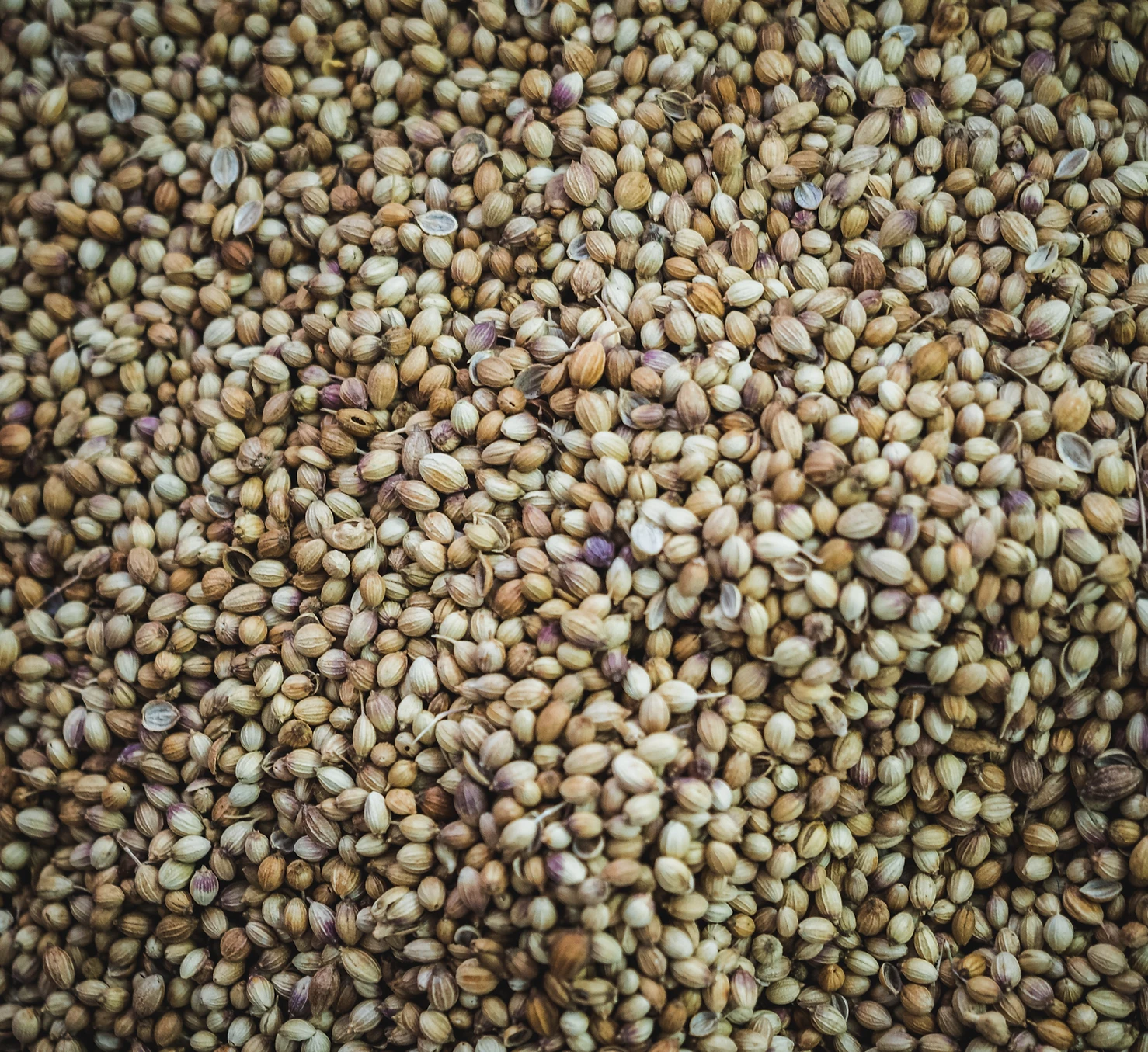
Prophet Muhammad (PBUH) once said, " Make yours the seed of coriander, for it is the cure of all diseases except swelling[cancer] and that is a fatal disease."
It is also reported that Allah (swt) informed the Prophet, “She has been given everything.” And then Allah (swt) revealed that “she” is coriander.
- Coriander oil treats baldness and scalp problems and prevents grey hair.
- Coriander is very effective in lowering blood sugar levels.
- Coriander contains antioxidants that demonstrate immune-boosting, anticancer, anti-inflammatory, and neuroprotective effects.
- Coriander protects the heart by lowering blood pressure.
- Coriander’s anti-inflammatory properties may safeguard against brain ailments including Parkinson’s, Alzheimer’s, and multiple sclerosis.
- coriander seeds may accelerate and promote healthy digestion.
- Compounds in coriander may help to fight against infections.
- Coriander alleviates flatulence and resolves fevers.
- It is effective to treat leukoderma, and it opens the subtlest networks of the veins.
- The smoke of the burning coriander seed is an insect repellent.
- Coriander may have several skin benefits, including mild rashes like dermatitis.
- Many people utilize coriander juice for skin conditions like acne, pigmentation, oiliness, or dryness.
- Coriander contains antioxidants that may protect the skin from aging and sun damage.
- Coriander helps to cure mouth ulcers.
- It is useful to treat anemia.
Thyme
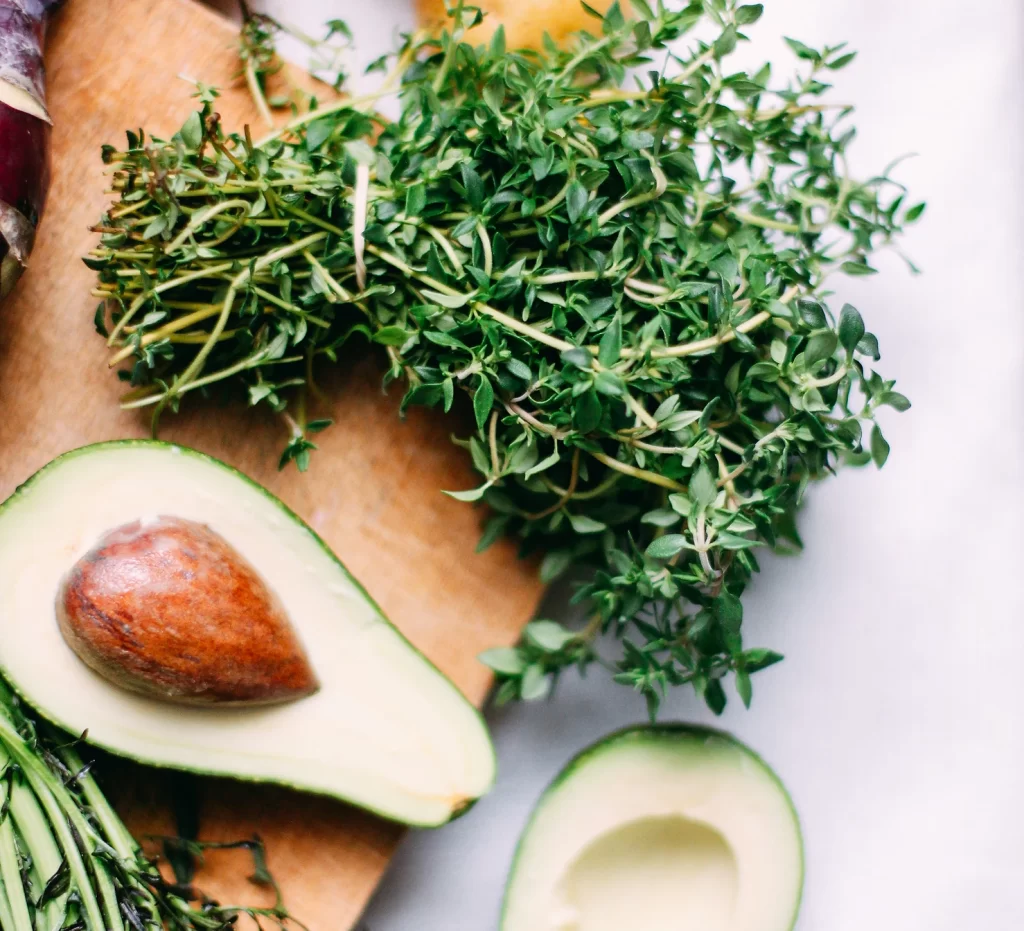
Prophet Muhammad (saw) said, “Fumigate your houses with Mugwort, Myrrh & Thyme.” [Kanz-ul-Ummal]
n the time of the Prophet (PBUH), it was customary to fumigate houses by burning frankincense and thyme. Thyme is cold and dry in the third degree. Thyme is not only an herb with a distinctive smell, but it has medicinal benefits as well.
- Thyme is an excellent digestive aid to heavy foods, it beautifies the complexion and benefits the coldness of the stomach and liver.
- It may help to lower blood pressure, suppress cough and boost the immune system and mood.
- It is used in many skincare products for its wonderful scent.
- It has a very warm, minty taste and adds flavour to dishes.
- Thyme essential oil was found to have antibacterial activity against acne, the bacteria thought to cause acne.
- Thyme extract helps lower the heart rate and blood pressure.
- Thyme is useful in fighting colds and mild infections.
- Thyme has the ability not only to help prevent food contamination but to decontaminate previously contaminated foods as well.
- Compounds in thyme may help to prevent infections from developing in the mouth and keep teeth healthy by decreasing plaque and decay.
- The aroma of thyme may induce positive changes in a person’s mood.
- Burning thyme leaves help to get rid of indoor and outdoor pests. Traditionally thyme leaves have been burnt on a campfire to keep insects away.
- Essential oils from various aromatic herbs including thyme, rosemary, lavender, etc. aid in treating hair loss.
- Because of its antibacterial properties, thyme extract is also used in mouthwashes.
Henna
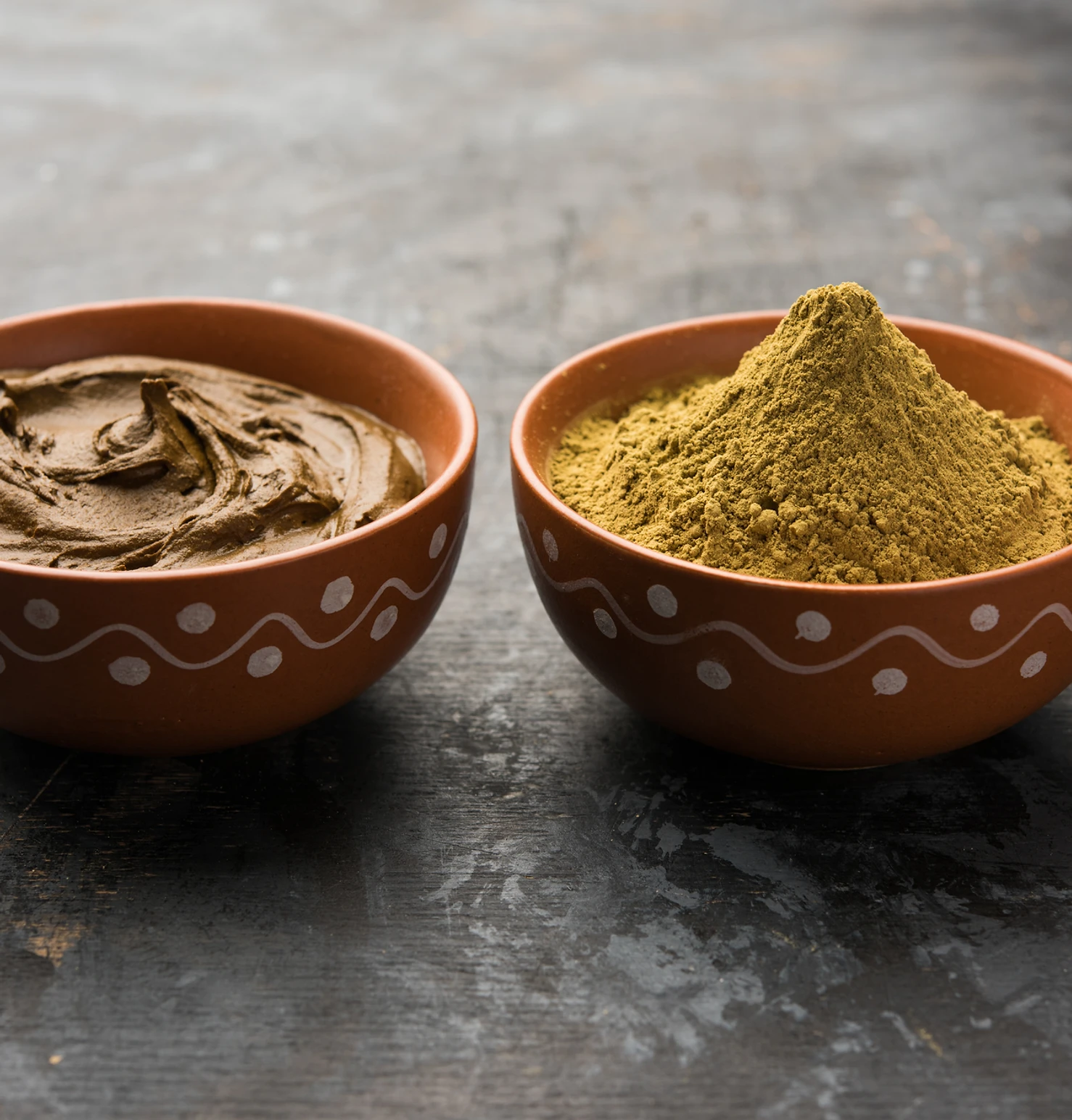
The Messenger of Allah (PBUH) said: “The best things to use to change grey hair are henna and khatam.” (Al-Tirmidhi 1753)
Narrated by Salmah, the maid-servant of the Messenger of Allah (PBUH), said: No one complained to the Messenger of Allah (PBUH) of a headache but he told him to get himself cupped, or of a pain in his legs but he told him to dye them with henna. (Abi Dawud Book 28, Hadith 3849). Salma Umm Rafi’, the freed slave woman of the Messenger of Allah (PBUH), said: “The Prophet (PBUH) did not suffer any injury or thorn- prick but he would apply henna to it” (Ibn Majah Vol. 4, Book 31, Hadith 3502). Jabir Ibn ‘Abdullah narrated that Abu Quhafa, the father of Abu Bakr came on the day of the conquest of Makkah with his hair and beard extremely white. The Prophet said: “Change his hair colour with something and do not use black.”
- Henna has been utilized since ancient times as a dye to colour the nails, hands, feet and hair.
- Henna can be used as a conditioner for hair.
- Relieving headaches and migraines is known as one of the benefits of henna for health.
- The anti-inflammatory properties found in the henna plant help reduce tension and stimulate blood flow throughout the body, especially to the brain, thereby decreasing the risks of headaches and migraines.
- The application of henna paste on the body has been traditionally used for a long time to bring down fevers.
- The perfume made from Henna flowers is considered to be one of the finest in the world.
- Henna oil treatment helps with sleep disorders by calming the body and mind, relaxing the nerve and inducing muscle relaxation.
- Henna oil can also be used to deal with rheumatic and arthritic pains.
- The consumption of henna seeds may have the ability to lower blood pressure and also restrict the risk of heart attack and strokes.
- The consumption of Henna water is associated with an improvement in spleen and liver health. To make Henna water, you just have to soak the henna leaves in a glass of water overnight and drink it in the morning.
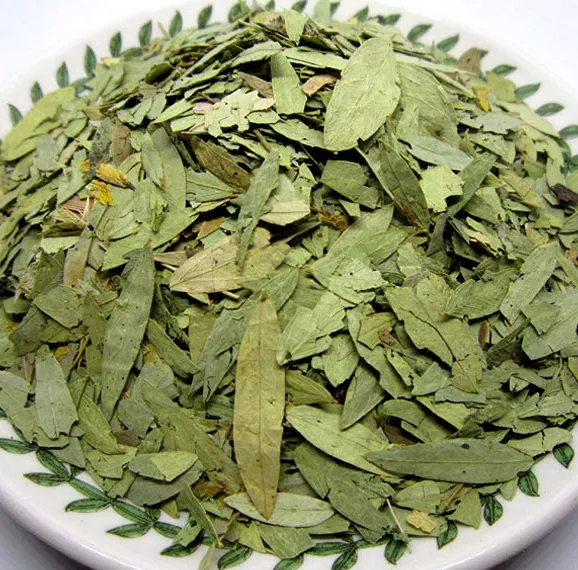
Senna
It was narrated from Asma' bint 'Umays that the Messenger of Allaah asked her: "What do you use as a laxative?" She said: "Spurge." He said: "Hot, hot." She said: Then I used senna as a laxative and the Prophet said: "If there were anything in which there is a death cure, it would be senna."
Senna has been mentioned in the sunnah of the Prophet (PBUH). The Prophet said “Upon you is the Senna and the Sanoot (cumin) for indeed in the two of them is a cure for every disease except Saam” He was asked, “O Messenger of Allah, What is Saam?” He said “Death” [Ibn Maajah 3457; Shaykh Al-Albaani graded it saheeh].
Senna is a plant best known for its medical properties. Ibn al-Qayyim suggested that it was preferable to boil and cook the senna leaves and drink the water, instead of taking it in a powdered form. He said that when used as a laxative, it should be mixed with fat and honey, this method is more beneficial than taking it on its own.
- Senna is effective in treating occasional constipation. It is used as a laxative that softens stools.
- Other than being a laxative, senna relaxes the muscle and improves the hair; it also helps against lice, headaches, rash and epilepsy.
- Senna can be used for the hair in the same way that Henna is applied. The difference is Senna does not colour hair like Henna. It makes the hair thick and glossy and improves the health of the scalp.
- Some people use it to prepare for colonoscopies and manage hemorrhoid symptoms.
- It detoxes the body and cleanses the colon.
- Intestinal worms can be treated by drinking senna water.
- Senna plant is low in calories, making it a good choice for weight loss. It can also increase the rate of metabolism.
- Senna may be a natural method of managing skin conditions like eczema and acne and may be able to improve the appearance of the skin. The Senna plant helps to increase cell regeneration and collagen production.
- Senna helps to boost the immune system by stimulating white blood cells.
- Senna reduces inflammation in the lungs and improves lung function. It is an effective remedy for asthma and other respiratory diseases.
A Guide to Cupping Therapy Hijama A Journey to Natural Healing
Explore the profound world of Hijama cupping therapy in this enlightening guide by Rabia Anjum. This book delves into the rich history and practice of this revered therapeutic technique, tracing its origins from ancient Egyptian rituals to its place in Islamic tradition. Through detailed explanations and practical insights, Rabia Anjum illuminates both wet and dry cupping methods, providing readers with essential knowledge on techniques, materials, and benefits.
Whether you’re new to cupping therapy or seeking to deepen your understanding, this book offers a thorough guide to the practice, including preparation, aftercare, and potential benefits. Discover how Hijama can enhance your well-being, alleviate common ailments, and harmonize your body’s natural healing processes.