
No products in the cart.
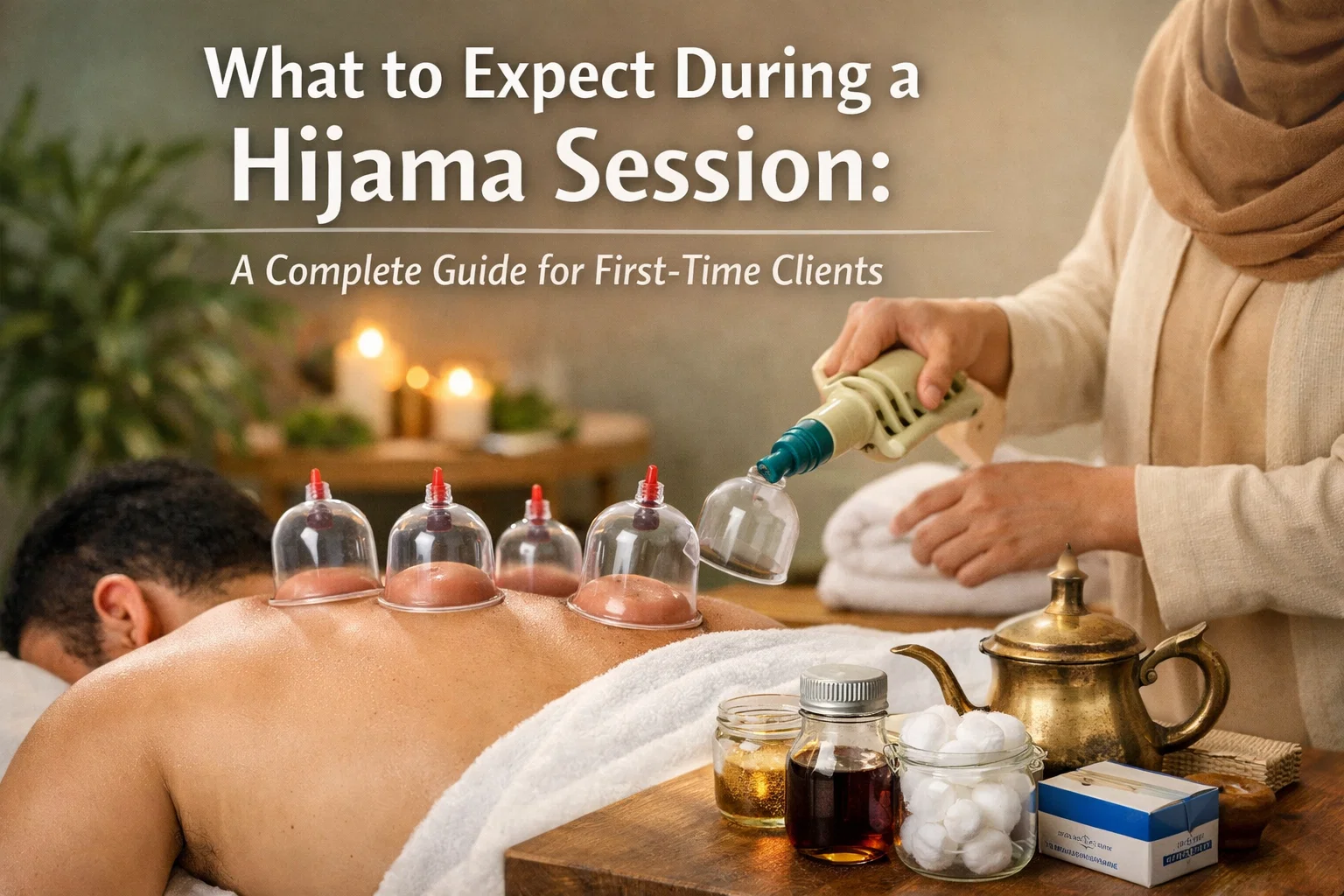
What to Expect During a Hijama Session: A Complete Guide for First-Time Clients
Hijama therapy, also known as wet cupping therapy, is a traditional healing practice that has been used for thousands of years. Many people today seek Hijama for natural healing, detoxification, pain relief, and overall wellness. Despite its growing popularity, many first-time clients feel unsure about what actually happens during a Hijama session.
Hijama therapy supports the body’s natural detoxification and circulation process. Many people also combine it with healthy lifestyle practices and Sunnah foods for natural healing, which are traditionally recommended for maintaining overall wellness.
Understanding the process can help remove fear and make the experience more comfortable. This guide explains what happens before, during, and after a Hijama session, so you can feel confident and prepared when you visit a professional Hijama clinic.
Understanding Hijama Therapy
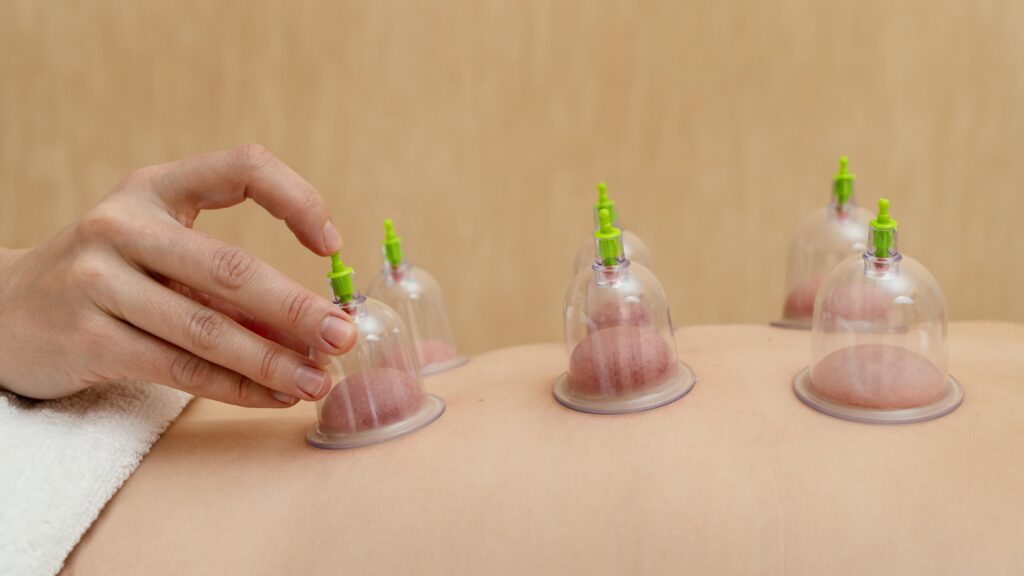
Hijama is a therapeutic technique that uses suction cups on the skin to stimulate blood circulation and remove stagnant blood and toxins from specific points of the body. It is widely practiced in traditional medicine and is also known in Islamic tradition as a Sunnah therapy recommended by Prophet Muhammad (peace be upon him).
Professional practitioners perform Hijama carefully and hygienically, using sterilized equipment and medically safe procedures.
Many people choose Hijama therapy for:
- Chronic pain relief
- Stress and fatigue reduction
- Improved blood circulation
- Detoxification
- Headache and migraine relief
- Muscle stiffness and inflammation
The treatment focuses on restoring balance in the body while promoting natural healing.
Preparing for Your Hijama Appointment
Before the therapy begins, a trained practitioner will usually conduct a short consultation. This step is important to understand your health condition and determine the most suitable Hijama points for your body.
During this consultation, the practitioner may ask about:
- Your medical history
- Current health concerns
- Medications you are taking
- Lifestyle habits
- Previous experience with cupping therapy
This assessment helps ensure the session is safe, personalized, and effective.
Clients are usually advised to eat lightly before the session, stay hydrated, and avoid heavy meals right before the treatment.
Step-by-Step Process of a Hijama Session
A professional Hijama session follows a structured process to ensure comfort, hygiene, and effectiveness.
1. Cleaning and Preparation of the Skin
The therapist begins by cleaning the skin area where the cups will be placed. This is done using medical disinfectants to maintain proper hygiene and prevent infection.
Most Hijama sessions involve areas such as:
- Upper back
- Shoulder region
- Neck area
- Lower back
- Specific Sunnah points
The practitioner selects points based on your condition and therapeutic needs.
2. First Cupping (Dry Suction)
In the first stage, cups are placed on the skin and suction is created. This suction pulls the skin upward slightly, increasing blood flow to the area.
This stage is called dry cupping and usually lasts a few minutes.
Clients typically feel:
- Mild pressure
- Tightness in the skin
- A warm sensation
This part is generally painless and helps prepare the area for the next stage.
3. Small Superficial Incisions
After removing the cups, the practitioner makes very small and shallow micro-incisions on the skin using sterile surgical blades.
These cuts are extremely superficial and designed only to allow the removal of stagnant blood.
A professional therapist ensures that:
- Only minimal cuts are made
- All tools are sterile and disposable
- Safety and hygiene protocols are followed
Most clients report little to no pain during this step.
4. Second Cupping (Wet Cupping)
The cups are placed back on the same areas, creating suction again. This suction draws out a small amount of blood through the micro-incisions.
This stage is called wet cupping, which is the main therapeutic part of Hijama.
During this phase:
- Dark or thick blood may be extracted
- Blood flow gradually slows as the body releases stagnant blood
- The process usually lasts a few minutes
The amount of blood removed is small and controlled by the practitioner.
5. Cleaning and Dressing the Area
Once the cupping process is complete, the therapist removes the cups and cleans the treated areas thoroughly.
The skin is disinfected again and covered with small sterile dressings if needed.
Most Hijama sessions typically take 20 to 40 minutes, depending on the number of points treated.
Sensations You May Feel During Hijama
Many first-time clients worry about pain, but most people describe Hijama as mildly uncomfortable rather than painful.
Common sensations include:
- Gentle pulling from the cups
- Slight tingling or warmth
- Mild scratching feeling during incisions
- Light pressure during suction
These sensations are temporary and usually very manageable.
What Happens After a Hijama Session
After the therapy, your body begins the natural healing process. Many clients report feeling lighter, more relaxed, and energized.
Some normal post-session experiences include:
- Mild fatigue
- Slight soreness at the cupping sites
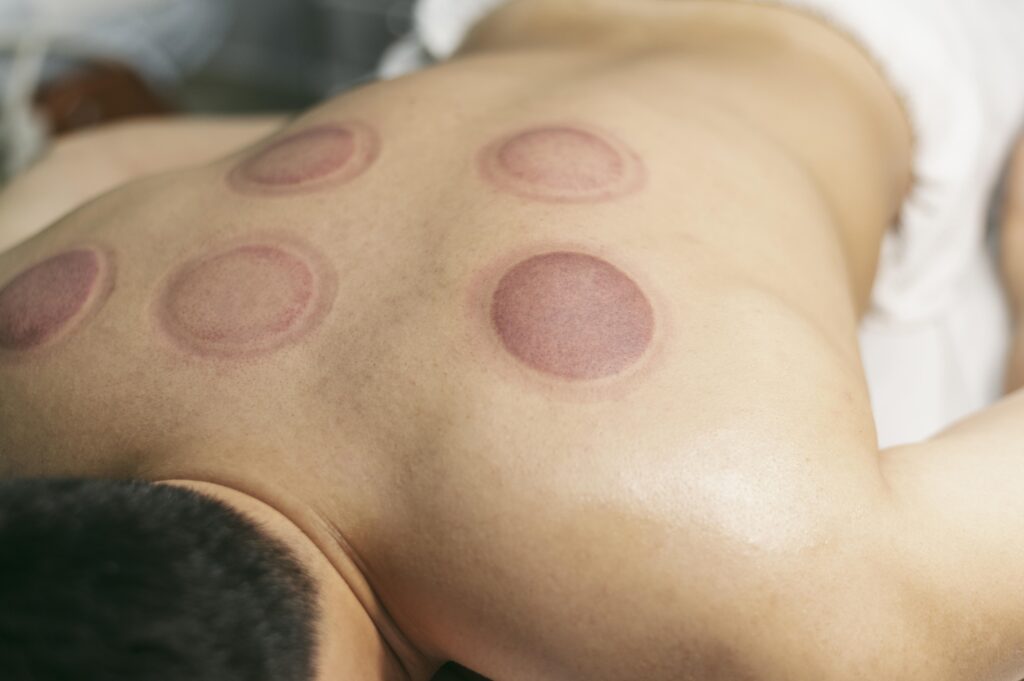
- Small circular marks on the skin
- Feeling deeply relaxed
These marks are normal and typically fade within a few days to one week.
Important Aftercare Tips
Following proper aftercare helps maximize the benefits of Hijama therapy.
Practitioners often recommend:
Drink plenty of water to support detoxification.
Avoid heavy exercise for at least 24 hours.
Do not take hot showers immediately after the session.
Eat light and healthy meals.
Allow your body time to rest and recover.
Proper aftercare supports the body’s natural detox process and improves healing.
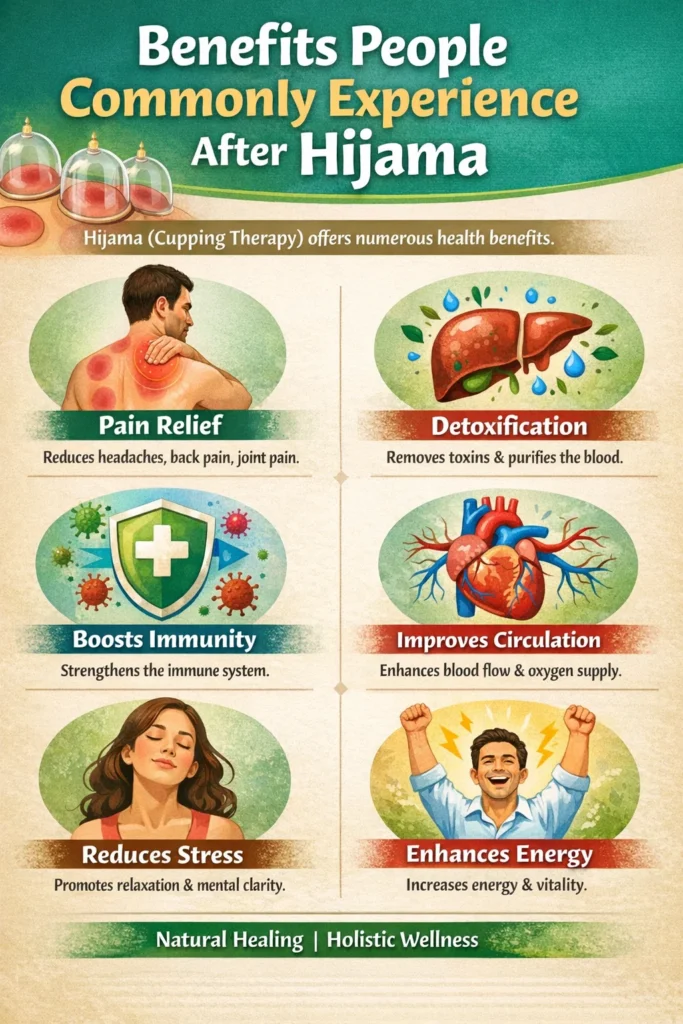
Benefits People Commonly Experience After Hijama
Many individuals seek Hijama therapy because of its potential health benefits.
Some commonly reported benefits include:
Improved blood circulation
Reduced muscle tension
Relief from headaches and migraines
Better sleep quality
Reduced stress and anxiety
Improved overall wellbeing
Although results vary from person to person, many people incorporate Hijama as part of their regular wellness routine. Many people also explore facial cupping therapy for skin rejuvenation, which focuses on improving blood circulation in the face and promoting healthier skin.
How Long Do Hijama Marks Last?
Circular marks may appear on the skin after Hijama therapy due to increased blood flow in the treated area. These marks are temporary and normally fade within 3 to 7 days.
The duration can vary depending on skin type and the body’s natural healing process.
Safety and Hygiene Standards in Professional Hijama Therapy
Safety and hygiene play a critical role in any Hijama therapy session. Because the treatment involves small superficial incisions on the skin, it must always be performed in a clean and controlled environment by trained practitioners.
Professional Hijama clinics follow strict hygiene protocols to protect clients and ensure safe treatment. All equipment used during the session should be sterile and properly handled. Disposable surgical blades and medical-grade suction cups are commonly used to maintain the highest hygiene standards.
The treatment area must be cleaned with medical disinfectants before and after the cupping therapy procedure. Practitioners also wear protective gloves and follow proper sanitation procedures throughout the entire session.
Maintaining strict hygiene practices helps prevent infection and ensures that the Hijama therapy session remains safe and effective for every client.
Importance of Choosing a Qualified Hijama Practitioner
The effectiveness of Hijama therapy depends largely on the knowledge and experience of the practitioner performing the treatment. A qualified Hijama therapist understands the correct cupping points on the body and knows how to adjust the therapy according to the client’s health condition.
Experienced practitioners also conduct a consultation before the session to understand the client’s medical history and determine whether Hijama therapy is suitable. This evaluation helps ensure that the therapy is performed safely and responsibly.
Choosing a professional Hijama clinic also means the treatment will be performed using proper techniques, sterile equipment, and safe procedures.
Clients should always ensure that their practitioner follows professional standards and prioritizes hygiene and client safety.
Why Hygiene Matters in Wet Cupping Therapy
Wet cupping therapy involves the controlled removal of a small amount of blood through micro-incisions. Because of this process, hygiene and sterilization are essential for preventing infections and ensuring proper healing.
Professional Hijama clinics follow strict procedures to clean the skin, sterilize equipment, and safely dispose of medical waste after each session. These standards help protect both the practitioner and the client.
A hygienic environment also allows the body to heal properly after the session. When the therapy is performed under professional conditions, the small marks left by the cups usually fade naturally within a few days.
Book Your Professional Hijama Session
If you are considering Hijama therapy for the first time, choosing a professional clinic that follows strict hygiene and safety standards is essential. A properly performed Hijama session can support natural healing, improve circulation, and help the body feel more balanced and relaxed.
Book your Hijama session at Hijama Natural Healing with a qualified practitioner and experience the benefits of traditional cupping therapy in a safe and comfortable environment.
Quick Summary: What Happens During a Hijama Session
A professional Hijama session is a safe and structured therapeutic process designed to improve blood circulation and support natural detoxification.
The process usually includes the following stages:
- Consultation with the practitioner
The therapist reviews your health condition and determines suitable Hijama points on the body. - Skin preparation and sterilization
The treatment area is cleaned using medical disinfectants to maintain hygiene. - Initial cupping (dry cupping)
Cups are placed on the skin to create suction, which increases blood circulation and prepares the area for treatment. - Small superficial incisions
Very small micro-incisions are made using sterile disposable blades. - Wet cupping process
Cups are applied again to draw out a small amount of stagnant blood. - Cleaning and dressing the treated area
The skin is cleaned again and small dressings may be applied if needed.
A typical Hijama therapy session takes 20 to 40 minutes depending on the number of treatment points.
Is Hijama Painful?
Most people experience minimal discomfort during Hijama therapy. The suction from the cups may create a tight sensation on the skin, while the micro-incisions are usually very shallow and cause little to no pain.
Clients often describe the feeling as pressure rather than pain.
How Long Do Hijama Marks Last?
Circular cupping marks are normal after Hijama therapy. These marks are caused by increased blood flow under the skin.
In most cases, the marks fade naturally within 3 to 7 days depending on skin type and the body’s healing process.
Who Should Consider Hijama Therapy?
People often consider Hijama therapy for:
- Chronic muscle pain
- Back and neck stiffness
- Headaches and migraines
- Stress and fatigue
- Poor circulation
- General detoxification and wellness
However, a professional consultation is always recommended before treatment.
How Often Should Hijama Be Done?
Many practitioners recommend Hijama every 4 to 8 weeks depending on a person’s health condition and wellness goals.
Some people also prefer to perform Hijama on Sunnah days, which are traditionally recommended days for cupping therapy.
Is Hijama Safe?
Hijama therapy is generally safe when performed by trained and certified practitioners using sterile equipment and proper hygiene standards.
However, it may not be suitable for everyone.
Individuals with the following conditions should consult a professional before undergoing Hijama:
- Severe anemia
- Blood clotting disorders
- Pregnancy (in certain stages)
- Skin infections
- Serious medical conditions
A responsible Hijama practitioner will always conduct a proper assessment before treatment.
Final Thoughts
A Hijama session is a structured, safe, and therapeutic process designed to support the body’s natural healing ability. Understanding what happens during the session can help remove anxiety and make the experience more comfortable for first-time clients.
When performed by experienced practitioners in a hygienic environment, Hijama therapy can be a powerful natural approach to improving overall health and wellbeing.
If you are considering Hijama therapy, choosing a qualified clinic with professional standards and proper hygiene practices is essential to ensure the best results.

Leave a Reply