
No products in the cart.
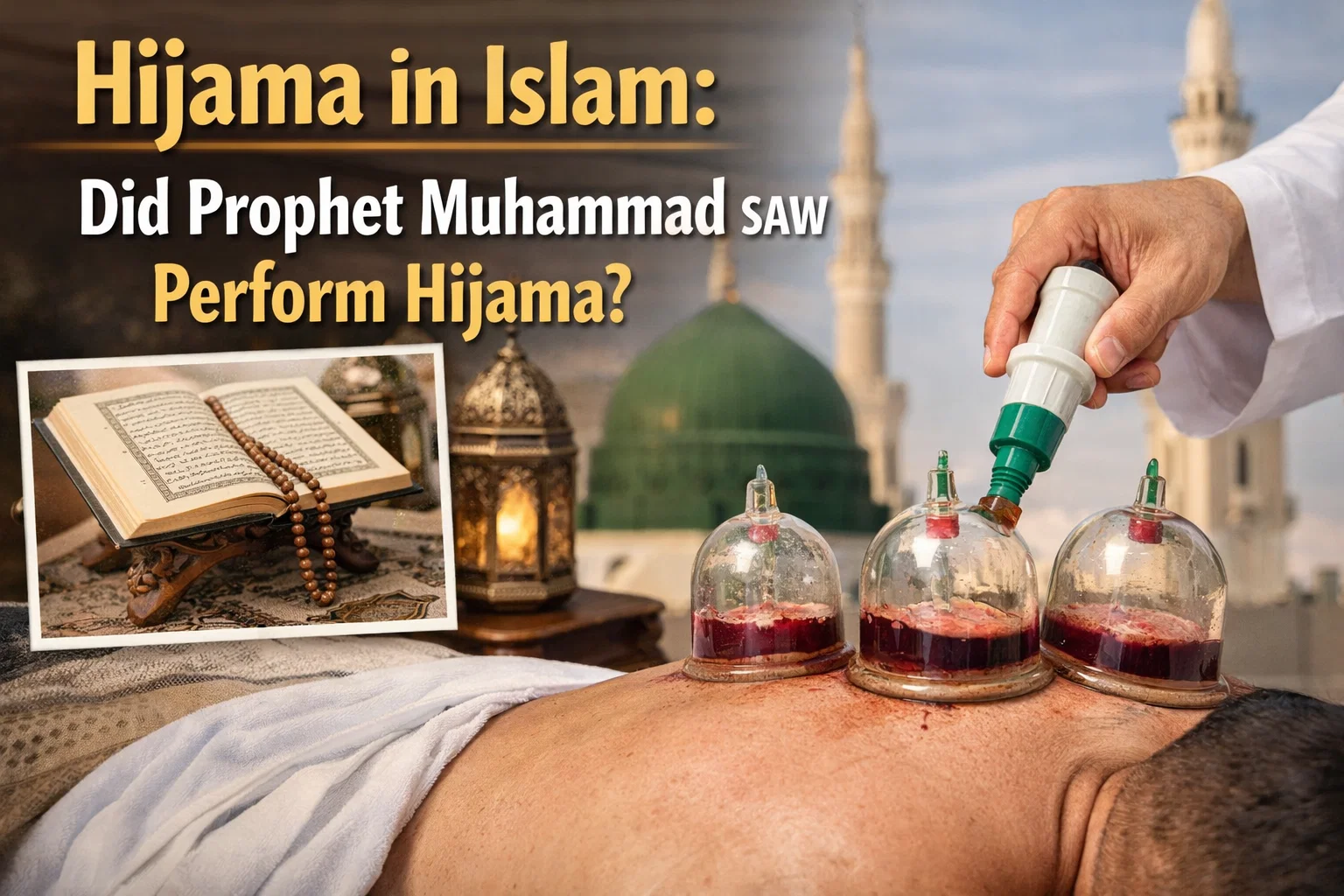
Hijama in Islam: Did Prophet Muhammad SAW Perform Hijama?
Introduction
Hijama in Islam is a question many Muslims ask when learning about Sunnah healing methods. Hijama, also known as cupping therapy, is one of the oldest natural healing techniques encouraged in Islamic teachings. It is strongly connected with the Sunnah of the Prophet Muhammad ﷺ and is still widely practiced today for physical and spiritual healing.
Understanding this topic helps Muslims reconnect with prophetic medicine and appreciate how Islam promotes both spiritual and physical well-being in a balanced way.
What is Hijama (Cupping Therapy) in Islam?
Hijama is a therapeutic practice where blood is drawn from specific points on the body using suction cups. It is considered part of “Tibb-e-Nabawi” (Prophetic Medicine).
Read: What happen inside body after hijama
Linguistic Meaning of Hijama
The Arabic word Hijama comes from “Hajm,” meaning “to suck” or “extract.” It refers to drawing out harmful blood from the body.
Historical Background Before Islam
Cupping therapy existed in ancient Egypt, China, and Greece long before Islam. However, Islam refined it, gave it spiritual significance, and recommended it under specific guidelines.
Did Prophet Muhammad SAW Perform Hijama?
Yes, authentic Islamic sources confirm that Prophet Muhammad ﷺ not only recommended Hijama but also personally underwent the treatment multiple times.
The topic Hijama in Islam Did Prophet Muhammad SAW perform hijama is strongly supported by Hadith literature.
Authentic Hadith About Hijama
One famous narration states:
“The best treatment you have is Hijama.”
(Sahih al-Bukhari)
Another Hadith mentions:
“Indeed, in Hijama there is a cure.”
These narrations clearly show the importance of Hijama in Islam.
You can explore authentic Hadith here:
https://sunnah.com/bukhari
When Prophet Muhammad SAW Did Hijama
Prophet Muhammad ﷺ performed Hijama on multiple occasions, especially when experiencing pain or fatigue. Companions also performed Hijama under his guidance.
Hijama on Journey and Health Situations
Reports show that the Prophet ﷺ had Hijama done while traveling and also during times of physical discomfort, which highlights its practical use in everyday health care.
Sunnah Status of Hijama in Islam
Hijama is considered a strong Sunnah (Sunnah Mu’akkadah in practice-based tradition) due to repeated recommendations and actions of the Prophet ﷺ.
Why Hijama is Considered Sunnah
- The Prophet ﷺ encouraged it repeatedly
- He personally underwent it
- He approved companions who practiced it
- It is mentioned as a cure in Hadith
Rewards Mentioned in Hadith
Islamic scholars mention that practicing Sunnah-based healing methods like Hijama can bring spiritual reward when done with the right intention.
Benefits of Hijama According to Islam and Science
Hijama in Islam Did Prophet Muhammad SAW perform hijama is also important because it connects spiritual tradition with physical wellness.
Spiritual Benefits
- Strengthens trust in Sunnah healing
- Brings spiritual calmness
- Encourages prophetic lifestyle
Physical Health Benefits
- Improves blood circulation
- Reduces muscle pain
- Helps detoxification
- May relieve headaches and fatigue
Detoxification and Blood Flow Improvement
Hijama is believed to remove stagnant or “impure” blood, improving energy flow and overall body function.
Types of Hijama in Islamic Practice
Dry Hijama
Uses suction without blood extraction.
Wet Hijama
Small cuts are made after suction to remove blood.
Fire Cupping
An ancient method using heat to create suction.
Which Conditions Prophet SAW Recommended Hijama
The Prophet ﷺ recommended Hijama for:
- Headaches
- Body pain
- Fatigue
- General health improvement
Misconceptions About Hijama in Islam
Some people believe Hijama is outdated or unsafe, but Islamic teachings and modern practice show it is beneficial when done correctly.
Another misconception is that it is mandatory, while in reality it is recommended but not obligatory.
Modern Medical View on Hijama
Today, many alternative medicine practitioners recognize cupping therapy for:
- Pain relief
- Muscle recovery
- Stress reduction
However, it should always be done by trained professionals.
Read: Hijama Sunnah Days
How Hijama is Performed Today
Step-by-Step Process
- Skin is cleaned
- Cups are placed for suction
- Small incisions are made (wet Hijama)
- Cups are reapplied to draw blood
- Area is cleaned and bandaged
Safety Guidelines in Islamic Cupping
- Must be performed by trained practitioners
- Sterile tools must be used
- Avoid overuse or frequent sessions
- Consult medical advice if needed
Conclusion
Hijama in Islam Did Prophet Muhammad SAW perform hijama is a deeply meaningful topic that connects faith, tradition, and healing. Authentic Islamic sources confirm that Prophet Muhammad ﷺ not only encouraged Hijama but also practiced it himself, making it an important Sunnah healing method.
Today, Hijama continues to be respected both spiritually and medically. When done safely and with correct intention, it remains a powerful reminder of the balance Islam teaches between body and soul.
Frequently Asked Questions (FAQs)
1. Did Prophet Muhammad SAW really do Hijama?
Yes, authentic Hadith confirm that Prophet Muhammad ﷺ both received and recommended Hijama.
2. Is Hijama Sunnah or wajib?
It is Sunnah, not obligatory.
3. How many times did the Prophet SAW do Hijama?
He performed it multiple times in different situations.
4. Is Hijama painful?
It may cause mild discomfort but is generally tolerable.
5. What is the best time for Hijama?
Some Hadith recommend specific lunar dates, but it can be done when needed.
6. Is Hijama scientifically proven?
Modern studies show benefits in pain relief and circulation, though research is still ongoing.
Please read Below for more Information

Leave a Reply