
No products in the cart.
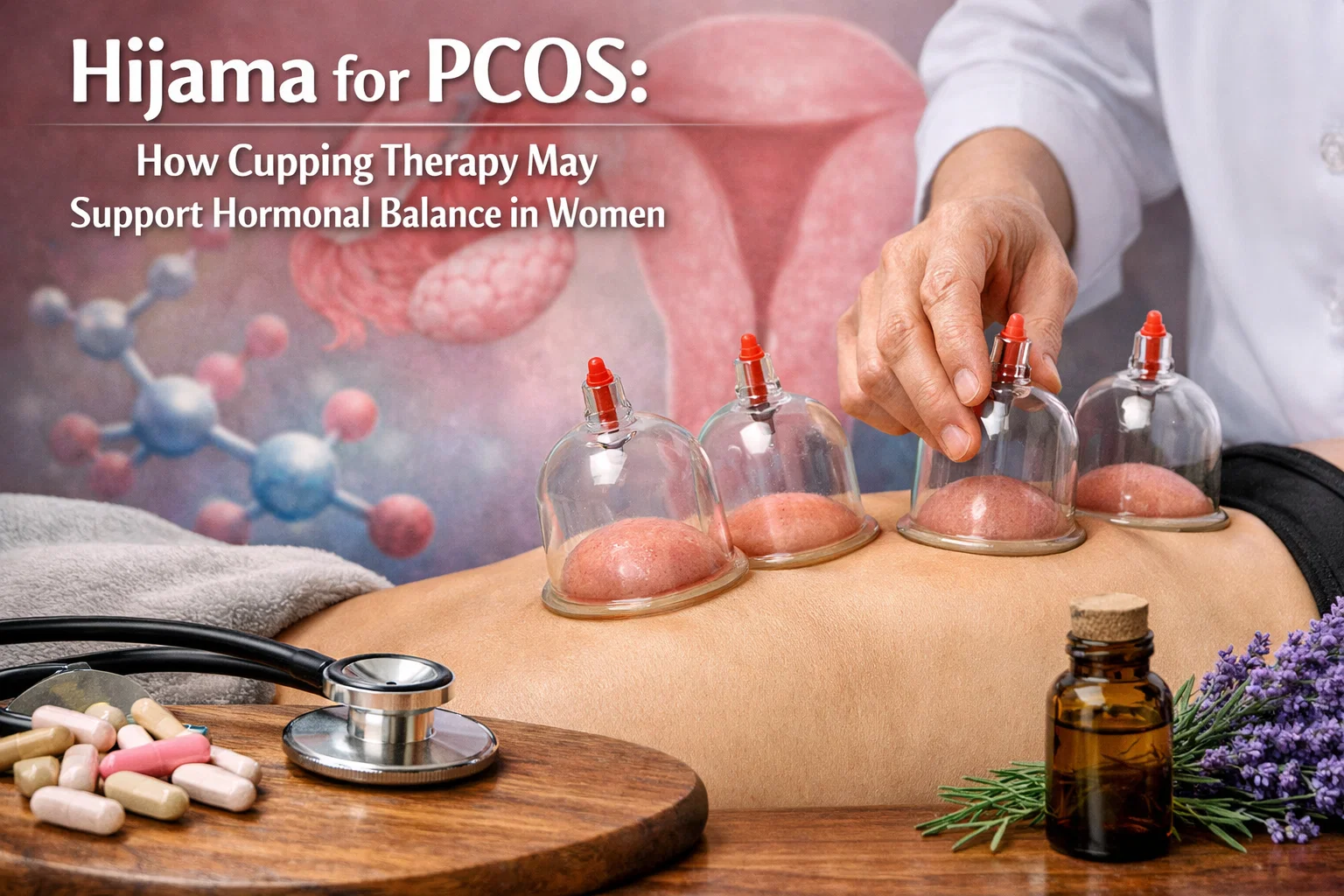
Hijama for PCOS: How Cupping Therapy May Support Hormonal Balance in Women
You have been told your hormones are out of balance. Your periods are irregular, your weight will not budge no matter what you do, your skin keeps breaking out, and your energy is completely drained. The doctor confirms it: Polycystic Ovary Syndrome (PCOS).
You are not alone. PCOS affects 1 in 10 women of reproductive age worldwide — and yet, many women still feel like conventional medicine only offers temporary solutions: birth control pills, Metformin, and lifestyle advice that feels impossible to sustain.
What if there was a natural, time-tested therapy that could work alongside your current treatment? Hijama also called wet cupping therapy is gaining serious attention as a complementary approach for women with PCOS. It has been practiced for over 3,000 years and carries the blessing of the Prophet Muhammad (PBUH).
In this in-depth guide, we explore what the research says, how Hijama may work on the root causes of PCOS, what to expect during a session, and why more women in Canada are making Hijama part of their hormonal health journey.

What Is PCOS? Understanding the Root of the Problem
Polycystic Ovary Syndrome is one of the most common hormonal disorders affecting women between the ages of 15 and 44. Despite its name, not all women with PCOS have cysts on their ovaries. PCOS is fundamentally a metabolic and hormonal condition characterized by:
- Elevated androgens (male hormones like testosterone)
- Irregular or absent menstrual cycles
- Insulin resistance — the body’s cells stop responding to insulin properly
- Chronic low-grade inflammation throughout the body
- Disrupted ovulation, which can lead to fertility challenges
The exact cause of PCOS is still debated in medical science, but what researchers consistently find is this: PCOS is not just a reproductive disorder. It is deeply connected to inflammation, oxidative stress, and metabolic dysfunction — and this is precisely where Hijama’s mechanisms become fascinating.
| Did You Know? Women with PCOS are 4 to 7 times more likely to develop type 2 diabetes. Managing insulin resistance and inflammation is not just about periods — it is about long-term health. |
What Is Hijama? A Brief Introduction for PCOS Warriors
Hijama is an ancient therapeutic practice mentioned in the Hadith of Prophet Muhammad (PBUH):
“The best of your remedies is Hijama.” — Sahih al-Bukhari 5371
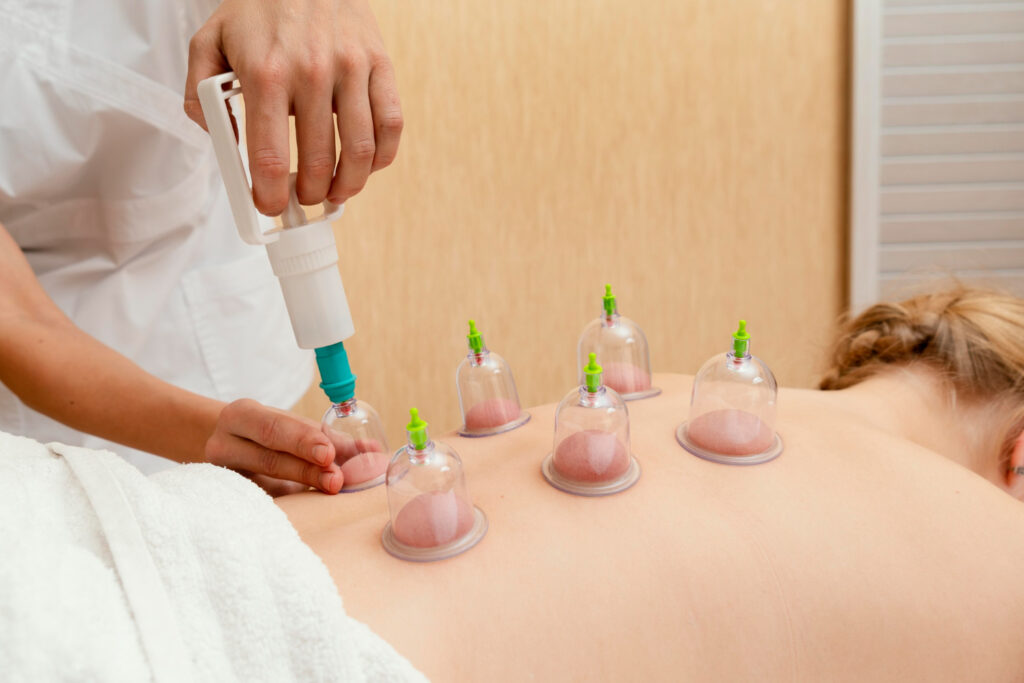
In wet cupping therapy, small cups are placed on specific points of the body to create suction. Tiny, superficial incisions are made allowing a small amount of stagnant blood, inflammatory by-products, and metabolic waste to be drawn out. Hijama stimulates the body’s natural healing response, promotes circulation, and activates the lymphatic system.
We offer several forms of cupping at our clinic including dry cupping, moving cupping, and wet cupping therapy — each serving a specific therapeutic purpose.
| 📚 Related Reading: Hijama Therapy: Benefits & Modern Science · Our Full Range of Cupping Services · Hijama for Women in Canada |
The Connection Between Hijama and PCOS: What Does Research Say?
While large-scale clinical trials specifically on Hijama and PCOS are still limited, several key mechanisms have been identified through studies on cupping therapy and related metabolic conditions. Here is what current science suggests:
1. Hijama May Reduce Chronic Inflammation
Inflammation is at the core of PCOS. Women with PCOS consistently show elevated inflammatory markers such as C-reactive protein (CRP), interleukin-6 (IL-6), and TNF-alpha.
A 2020 study published in the Journal of Traditional and Complementary Medicine found that wet cupping therapy significantly reduced inflammatory biomarkers in participants. By removing blood containing these inflammatory compounds and stimulating fresh circulation, Hijama may help reduce the chronic inflammatory burden that worsens PCOS symptoms.
2. Hijama May Support Insulin Sensitivity
Insulin resistance is present in up to 70% of women with PCOS, regardless of their weight. It drives overproduction of androgens and disrupts ovulation.
Research has shown that cupping therapy may improve microcirculation in targeted tissues and positively influence metabolic function. One mechanism proposed by researchers is that Hijama promotes nitric oxide release, which improves vascular function — a key factor in insulin signaling.
3. Hijama Targets Points Linked to Reproductive Health
In traditional Islamic and Chinese medicine, specific cupping points correspond to organ systems. Practitioners place cups on points along the lower back, sacral region, and abdomen — areas closely connected to the reproductive system and adrenal glands.
The adrenal glands sit directly above the kidneys and are responsible for producing androgens — the same hormones that are overproduced in PCOS. Stimulating these areas through Hijama may support adrenal function and help regulate androgen levels over time.
4. Hijama Promotes Detoxification and Liver Support
The liver plays a critical role in hormone regulation — it breaks down excess estrogen and androgens. When the liver is overloaded with toxins and metabolic waste, its ability to process hormones becomes impaired.
Hijama’s detoxification effect — drawing out stagnant blood and stimulating lymphatic drainage — may reduce the toxic load on the liver, supporting its crucial hormone-regulating function.
5. Hijama Reduces Cortisol and Calms the Nervous System
Chronic stress is both a cause and consequence of PCOS. Elevated cortisol disrupts the hypothalamic-pituitary-ovarian (HPO) axis — the hormonal communication system between the brain and the ovaries.
Multiple studies have shown that cupping therapy stimulates the parasympathetic nervous system, promoting deep relaxation and reducing cortisol levels. For women with PCOS who are caught in a stress-hormone cycle, this effect can be profoundly healing.
| Key Research Takeaway: While more PCOS-specific trials are needed, the established mechanisms of Hijama — anti-inflammatory, metabolic, detoxifying, and stress-reducing — directly address the biological pathways disrupted in PCOS. |
| 📚 Related Reading: Hijama for Stress & Pain Relief · Is Hijama Safe for High Blood Pressure? |
Common PCOS Symptoms Hijama May Help Address
Here is a closer look at which PCOS symptoms may respond to regular Hijama sessions:
| PCOS Symptom | How Hijama May Help |
| Irregular periods | Stimulates blood flow to reproductive organs; supports ovulation regularity |
| Excess androgens (acne, hair) | Reduces inflammation; supports liver detox of excess androgens |
| Fatigue & low energy | Improves oxygenated blood circulation; reduces inflammatory burden |
| Weight gain / bloating | Supports lymphatic drainage; improves metabolic circulation |
| Mood swings / anxiety | Activates parasympathetic nervous system; lowers cortisol |
| Fertility challenges | Supports hormonal balance and healthy uterine blood flow |
| Skin issues (oiliness, acne) | Detoxification effect; reduces systemic inflammation |
Which Hijama Points Are Used for PCOS and Hormonal Health?
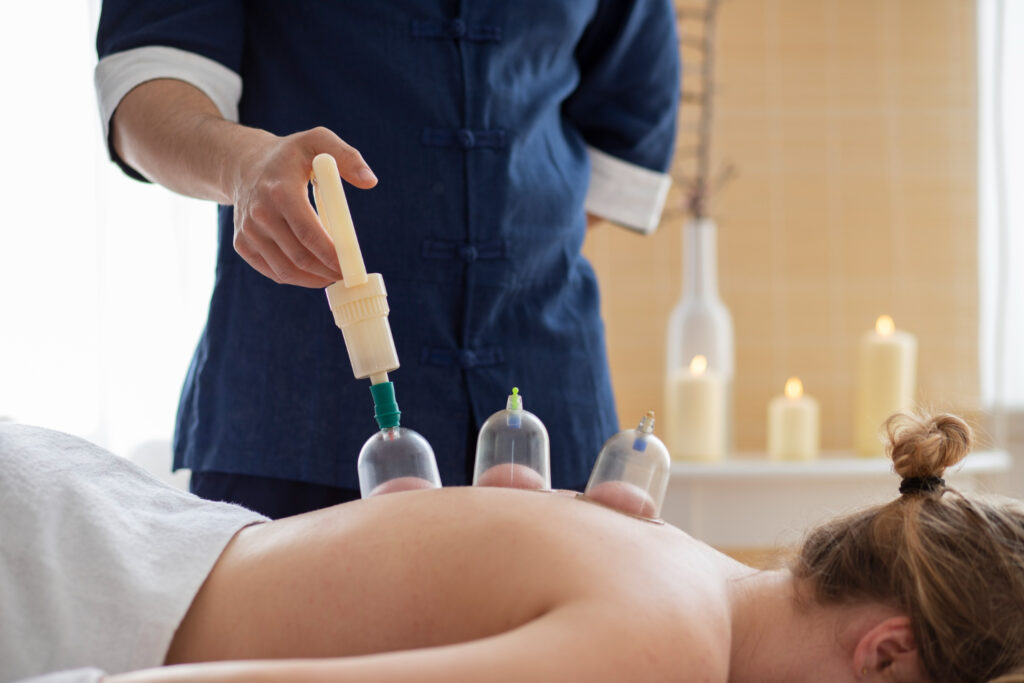
Certified Hijama practitioners do not use a one-size-fits-all approach. For women with PCOS, a practitioner typically focuses on these therapeutic points:
- Al-Kahil (Point 1) — between the shoulder blades: General detox and immune system support
- Lower Back / Lumbar Points (55 & 53) — Correspond to kidney and adrenal gland health; directly relevant for androgen regulation
- Sacral Points — Stimulate blood flow to the uterus and ovaries
- Abdominal Points — Support digestion, liver detox, and metabolic function
- Al-Akhda’ain (Jugular Points) — Beneficial for hormonal regulation and stress relief
Your practitioner will assess your specific symptoms before each session and may adjust point selection based on your cycle timing, current flare-ups, and overall health picture.
| Pro Tip from Our Clinic: At Hijama Natural Healing in Scarborough, we always conduct a full health intake before your session. Women with PCOS often need a customized point protocol particularly tailored to different phases of their cycle. Never receive Hijama from an uncertified practitioner. |
What to Expect: Your Hijama Session for PCOS Step by Step
Before Your Session
- Eat a light meal 2 hours before — avoid heavy or greasy food
- Stay well hydrated — drink extra water the day before
- Inform your practitioner of all medications, health conditions, and your cycle phase
- Avoid Hijama during your menstrual period
During Your Session
- Cups are placed on specific therapeutic points and held for 5 to 10 minutes
- Superficial incisions are made and cups reapplied to draw out stagnant blood
- Most clients report minimal discomfort — similar to a deep tissue massage sensation
- Sessions typically last 45 to 60 minutes
After Your Session
- Rest for the remainder of the day — your body is actively healing
- Drink warm water, herbal teas, and eat nourishing whole foods
- Avoid cold water, cold showers, and strenuous exercise for 24 hours
- Some temporary bruising or marks at cup sites is completely normal
- Many women report improved energy and reduced bloating within 24 to 48 hours
How Often Should Women with PCOS Get Hijama?
For PCOS specifically, our practitioners at Hijama Natural Healing generally recommend the following protocol — though individual plans always vary:
- Initial Phase (Months 1 to 3): Every 3 to 4 weeks to address accumulated inflammation and begin hormonal recalibration
- Maintenance Phase (Months 4+): Once every 4 to 6 weeks, ideally timed to Sunnah days (17th, 19th, or 21st of the Islamic lunar month)
- Seasonal Detox: Additional sessions during seasonal transitions when hormonal disruption is most common
Consistency is the key. Hijama is not a one-session fix. Like any holistic therapy, its benefits build cumulatively over time. Women who commit to a regular protocol alongside dietary changes and stress management report the most significant improvements.
What Women Report After Hijama for PCOS
At our Scarborough clinic, we have worked with numerous women navigating PCOS. While every journey is unique, here are the improvements our clients most commonly report after consistent sessions:
- More regular menstrual cycles after 2 to 3 sessions
- Noticeable reduction in bloating and abdominal heaviness
- Clearer skin and reduced hormonal acne
- Improved sleep quality and significant reduction in fatigue
- A sense of calm and emotional balance they had not felt in years
- Increased motivation to maintain healthy lifestyle habits
Important note: These experiences are shared for informational purposes. Results vary from person to person. Hijama should always be used as a complementary therapy alongside medical care, not as a replacement for professional diagnosis and treatment.
Who Should Avoid Hijama for PCOS?
Hijama is generally safe for most healthy adult women, but it is not appropriate for everyone. Do not receive Hijama if you:
- Are currently menstruating
- Are pregnant
- Have a bleeding disorder or are taking blood-thinning medications
- Have very low platelet count or active anemia
- Have active skin infections or open wounds at cupping sites
- Have undergone chemotherapy in the past 3 months
Always consult with your healthcare provider before starting Hijama, especially if you are managing PCOS alongside thyroid conditions, diabetes, or other hormonal disorders.
Hijama as Part of a Holistic PCOS Management Plan
Hijama works best as one part of a comprehensive, holistic approach. At Hijama Natural Healing, we encourage our PCOS clients to combine their sessions with:
- Anti-inflammatory diet: Focus on whole foods, reduce refined sugar, limit processed grains
- Sunnah foods: Black seed (Nigella sativa), raw honey, dates, and olive oil have documented hormonal and anti-inflammatory benefits
- Gentle movement: Walking, yoga, and swimming support insulin sensitivity without stressing the adrenals
- Stress management: Prayer, dhikr, breathwork, and consistent sleep are non-negotiable for hormonal health
- Medical monitoring: Regular check-ins with your gynecologist or endocrinologist ensure you track real progress
| Book Your PCOS Consultation at Hijama Natural Healing We offer personalized Hijama consultations for women with PCOS in Scarborough and the Greater Toronto Area. Our certified practitioners take time to understand your unique hormonal health picture before designing your cupping therapy protocol. Call us: (289) 242-7004 Location: 4301 Kingston Road, Scarborough, Ontario Book Online: hijamanaturalhealing.com |
Frequently Asked Questions: Hijama and PCOS
Can Hijama cure PCOS?
No. PCOS is a chronic condition that requires comprehensive management. Hijama is a powerful complementary therapy that may address root causes of PCOS symptoms — inflammation, insulin resistance, and hormonal imbalance — but it is not a standalone cure.
Is monthly Hijama safe for PCOS?
Yes, monthly Hijama is generally safe for women with PCOS who are otherwise healthy. Your practitioner will adjust frequency based on your response to treatment and overall health.
Can Hijama help with PCOS-related infertility?
Hijama may support fertility by improving blood flow to the reproductive organs, reducing inflammation, and helping regulate hormonal balance. However, women experiencing infertility should always work with a reproductive specialist and use Hijama as supportive — not primary — treatment.
Should I tell my doctor I am doing Hijama?
Absolutely. Transparency with all your healthcare providers is important. Most physicians will support complementary therapies as long as you continue standard medical care.
Is Hijama painful?
Most women describe the sensation as a deep suction or pulling feeling — uncomfortable for a moment but not painful. The incisions are very superficial. Many clients find the experience deeply relaxing once the cups are in place.
Final Thoughts: Taking Back Your Hormonal Health Naturally
PCOS can feel overwhelming — a condition that touches nearly every part of your life, from your energy and appearance to your fertility and mental health. Conventional medicine offers important tools, but many women find that a truly holistic approach brings the most lasting relief.
Hijama, as a Sunnah practice rooted in over 3,000 years of healing wisdom, offers a unique combination of spiritual intention, physical detoxification, and targeted therapeutic action. Its ability to address inflammation, support detoxification, and calm the nervous system aligns remarkably with what we know about the root drivers of PCOS.
You deserve a healing approach that honors your whole self body, mind, and spirit.
Book your consultation today at Hijama Natural Healing — Scarborough’s trusted, certified Hijama practitioners.
Medical Disclaimer: This article is for informational purposes only and does not constitute medical advice. Always consult a qualified healthcare provider for diagnosis and treatment of PCOS or any medical condition. Hijama should be performed only by certified practitioners.

Leave a Reply