No products in the cart.

What is Cupping Therapy?
The word ‘Hijama’ was originally an Arabic word derived from ‘Al-Hajm’. In English, it means ‘sucking’ and is referred to as ‘Wet cupping therapy’.
Hijama cupping therapy is gaining attention worldwide as more people look for natural, safe, and effective ways to improve their health. Rooted in both traditional healing and Islamic practice, hijama is not just a trend it is a time-tested method that has been used for centuries to support the body’s natural recovery process.
Many people hear about hijama but still feel unsure about what it actually involves, how it works, and whether it is right for them. Questions like “Is it painful?”, “What are the real benefits?”, and “What happens during a session?” are very common.
This guide is designed to give you clear, honest, and practical answers. You will learn what hijama cupping therapy is, how the procedure is performed, the key health benefits, and what to expect before, during, and after your first session. Whether you are exploring it for pain relief, detox, hormonal balance, or overall wellness, this introduction will help you make an informed decision with confidence.
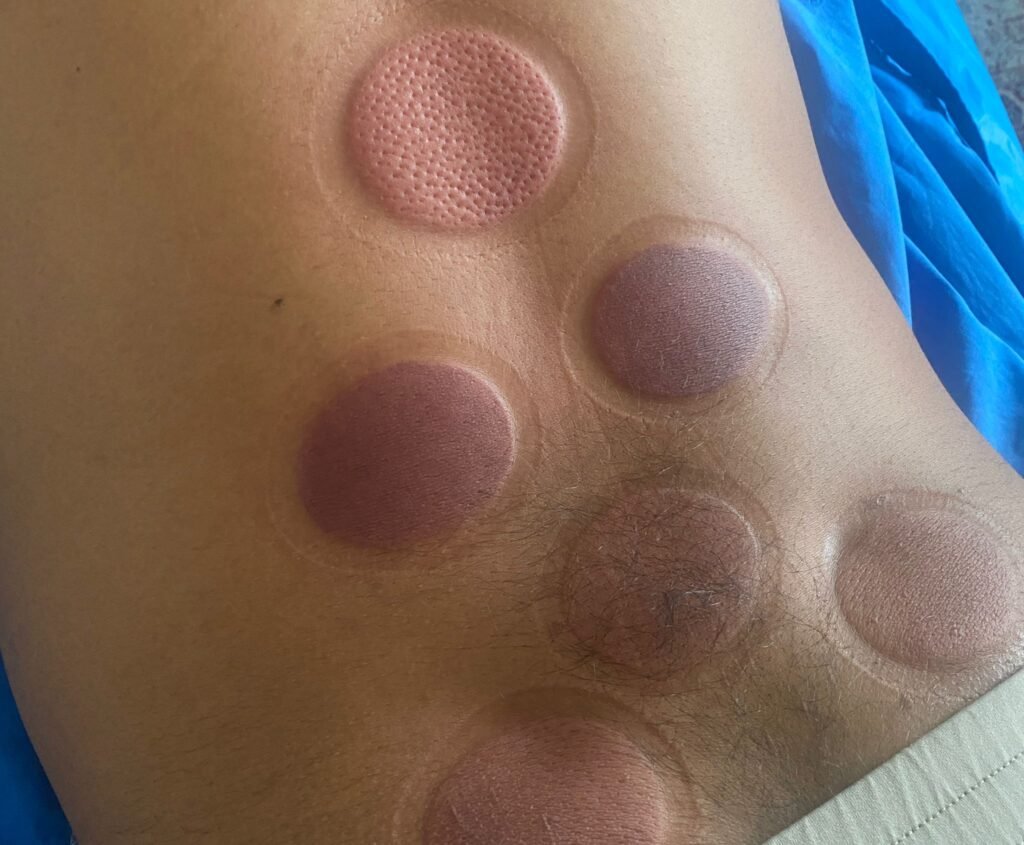
History Of Cupping Therapy
Cupping therapy was practised in Egypt as early as 6000 years ago. Ebers Papyrus, one of the oldest medical textbooks in the world, described cupping therapy as practised by Egyptians in 1550 BC. Archaeologists have found traces of metal or bamboo cups in China. The Chinese have been practicing Cupping therapy for at least 3000 years along with acupuncture, moxibustion, Chinese massage and traditional Chinese medicine treatment. In Ancient Greece, Hippocrates also mentioned Hijama with the Four-Hour temperament theory in 400 BC.
Hijama cupping therapy is a Sunnah of our beloved Prophet (P.B.U.H) as mentioned in several ahadith. When our beloved Prophet visited the Heavens on the night of Isra (Mi’raaj) the angels mentioned:
“Oh Mohammad, order your Ummah with Hijama”. Saheeh Sunan Tirmidhi (3479)
Cupping Therapy is a universal practical therapy that has expanded in the East and West. Cupping therapy is primarily practised in Asia, Eastern Europe, the Middle East and North America.
BloodLetting
Bloodletting was originally started in Ancient Egypt and Greece. Bloodletting became popular in the 2nd century but is no longer practiced now. Bloodletting involves cutting into the veins from a forearm, elbow or neck using a special tool with a fixed blade. Cupping therapy and bloodletting have different approaches. Bloodletting involves cutting the veins while cupping therapy consists of placing the cup and scraping the skin.
Leeching and cupping therapy
Leeching and cupping therapy are similar. Medical leeches are used for this therapy. Leeches have sharp teeth, they insert their teeth into the skin tissues and release leech saliva which is a natural pain killer. Both therapies support natural healing and treatment for many health issues.
How Many Types Of Cupping Therapy
There are two major types of cupping therapies.
Wet cupping therapy
It is also known as Hijama cupping therapy. This therapy involves applying cups on the skin through a suction gun. A vacuum pulls the skin upward for about 5 minutes. When a negative pressure is drawn, tiny blood vessels and capillaries break. This process is called ecchymosis. When the gap between the layers of the skin increases, it allows the tissues and muscles to collect more toxins, and dead blood cells under the skin.
Clean the area with an alcohol swab or antiseptic spray to protect the skin against microorganisms. Tiny superficial cuts are made through blades. The cups are applied again to capture the toxic blood. Pressure is released to clean the area. The same procedure is repeated two to three times.
Dry cupping therapy
Dry cupping therapy is also known as static cupping therapy. Cups are placed on the skin through heat or suction to create a vacuum inside the cup. The vacuum creates negative pressure by lifting the upper layer of the skin. This application draws blood toward that area. The tissues and muscles receive fresh and oxygenated blood.
The suction immediately increases blood circulation and loosens the connective tissues. The vacuum motivates the body to respond to the treatment by generating a natural healing mechanism. As a result, the body starts producing red blood cells, platelets, fibres, and proteins.
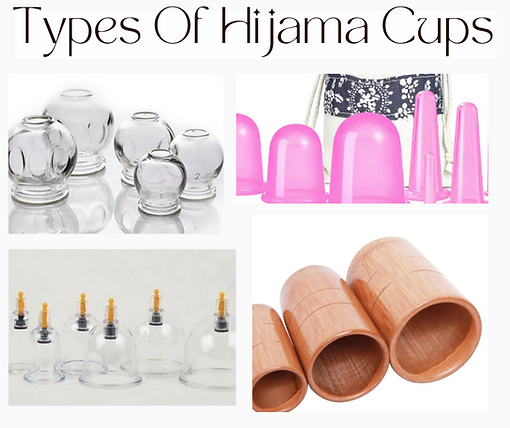
What Type of Material Use for Cupping Therapy
Different Types Of Cups
Different types of cupping therapy can be performed with different cupping materials. Four different types of cupping materials are used to perform cupping therapy.
- Plastic Cups
- Silicon Cups
- Glass Cups
- Bamboo Cups

Suction Gun/Alcohol Cotton Ball
Cups are placed on the skin through heat with the help of an alcoholic cotton ball or a handheld or electric suction pump to create a vacuum inside the cup. Heat through alcoholic cotton balls is mostly used for fire cupping therapy and a suction pump is used for all other types of therapies.

Blades Use for Hijama
Blades are used to make small superficial incisions. They are utilized for a variety of surgical and non-surgical procedures. Blades have different shapes and sizes. Always use high-quality carbon steel single-foiled surgical blades. They are used one time for safety and hygiene purposes.
How Hijama Cupping Therapy Works
If you’re wondering how hijama cupping therapy works step by step, it is a simple but effective process that supports the body’s natural healing.
First, cups are placed on specific areas like the back or neck, and gentle suction is created. This helps improve blood flow, relax tight muscles, and bring stagnant blood closer to the surface. For those looking for natural ways to improve circulation with hijama, this is the starting point.
Next, very small and controlled micro-incisions are made on the skin, and the cups are reapplied. This allows a small amount of blood and fluid to be drawn out, which may help reduce inflammation and release built-up pressure. Many people explore this as a natural detox method using wet cupping therapy.
Finally, the body begins its healing process. Circulation remains improved, tissues start repairing, and many people feel relief from pain, stress, or fatigue. This is why hijama is often considered a natural way to support overall health and recovery.
In simple terms, hijama works by improving blood flow, removing stagnation, and helping the body heal itself more efficiently.
Sunnah Days For Hijama
According to the Islamic point of view, the best results of Hijama cupping therapy can be experienced on the third week of the Islamic calendar known as Sunnah days for Hijama.
Our Prophet said, “ Whosoever performs Hijama on the 17th, 19th and 21st (of the lunar calendar) then it is the cure for every disease”. Saheeh sunan Abi Dawud (3861)

How Many Hijama Sunnah Points In Our Body
There are 9 sunnah points in the body where Rasool Allah (P.B.U.H) performs Hijama Cupping therapy. These points are called the sunnah points and they have extensive benefits. The Sunnah points used for Hijama are mentioned below.
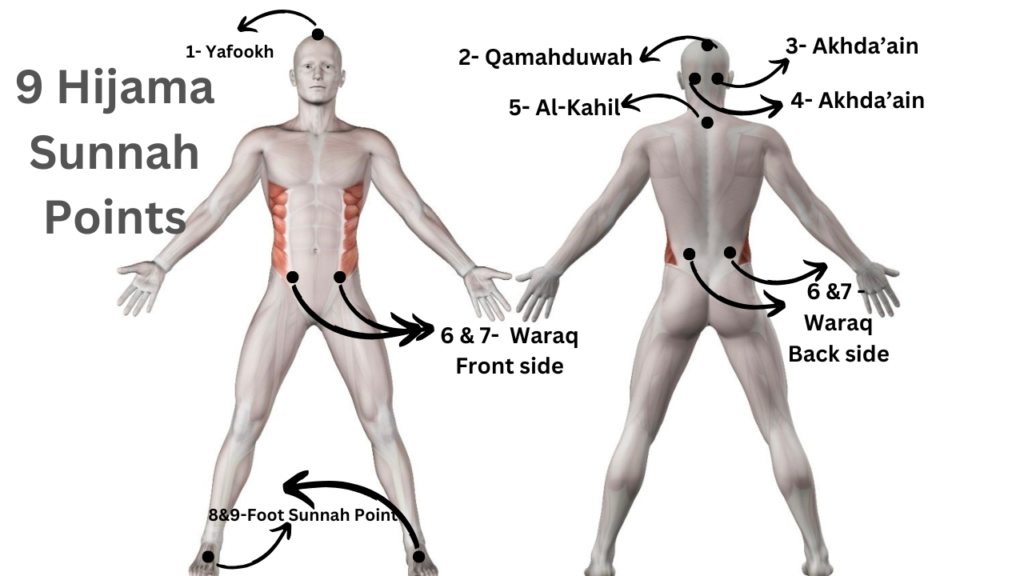
Where are Cupping Sunnah points located in our body
1- Al- Kahil (Located between the shoulder blades)
2- Yafookh (Crown point on the head)
3- Qamahduwah (Located at the back of the head)
4- Al-Akhda’ain ( 2 points located at the back of the neck near the hairline)
5- Al- waraq (2 points located on the right & left side of the waist)
6- Foot sunnah points (Located on the top of the feet)
How to prepare for Hijama
To achieve maximum benefits from cupping, it is necessary to follow a few guidelines:
Perform Hijama on an empty stomach, 3 to 4 hours of fasting is enough
Take a shower before Hijama
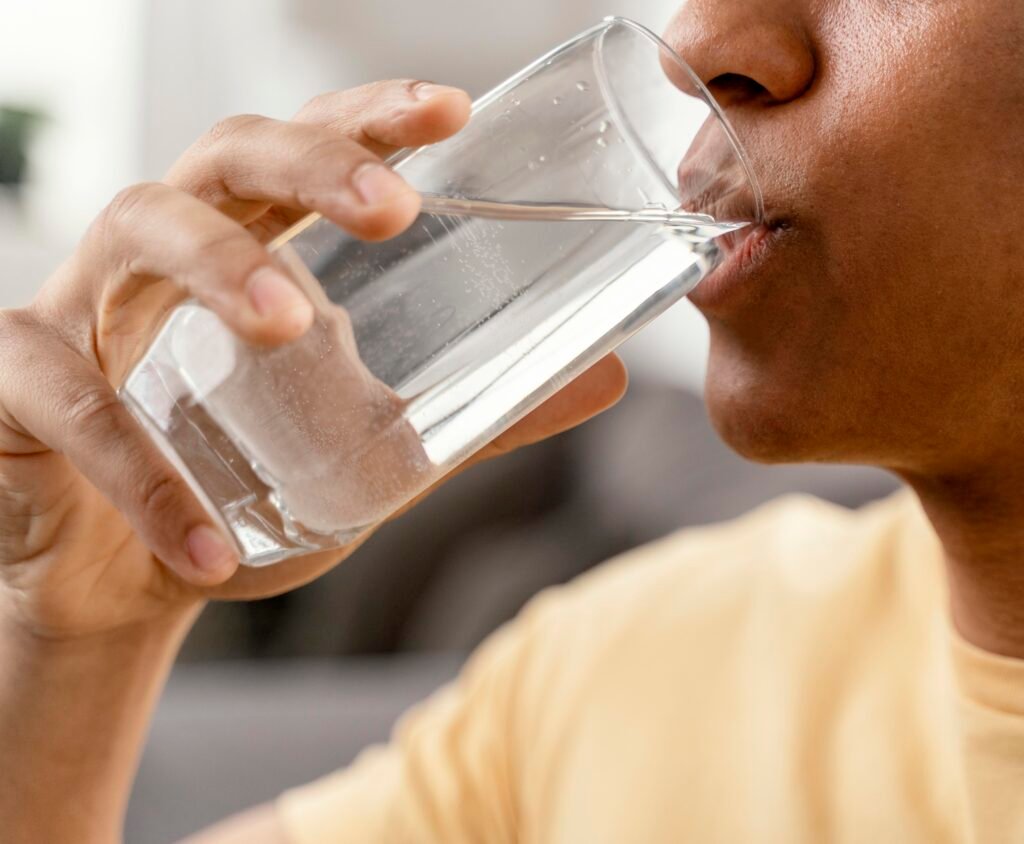
Drink 2 to 3 glasses of water before Hijama
Avoid unnecessary physical activities
Positive mindset
Give Sadqa before Hijama
Recite two Rakat of Salat ul Hajaat
Dress up according to the weather
Precautions to Follow After Cupping Therapy
Proper aftercare is mandatory to get maximum benefits from cupping. Some of the instructions are:
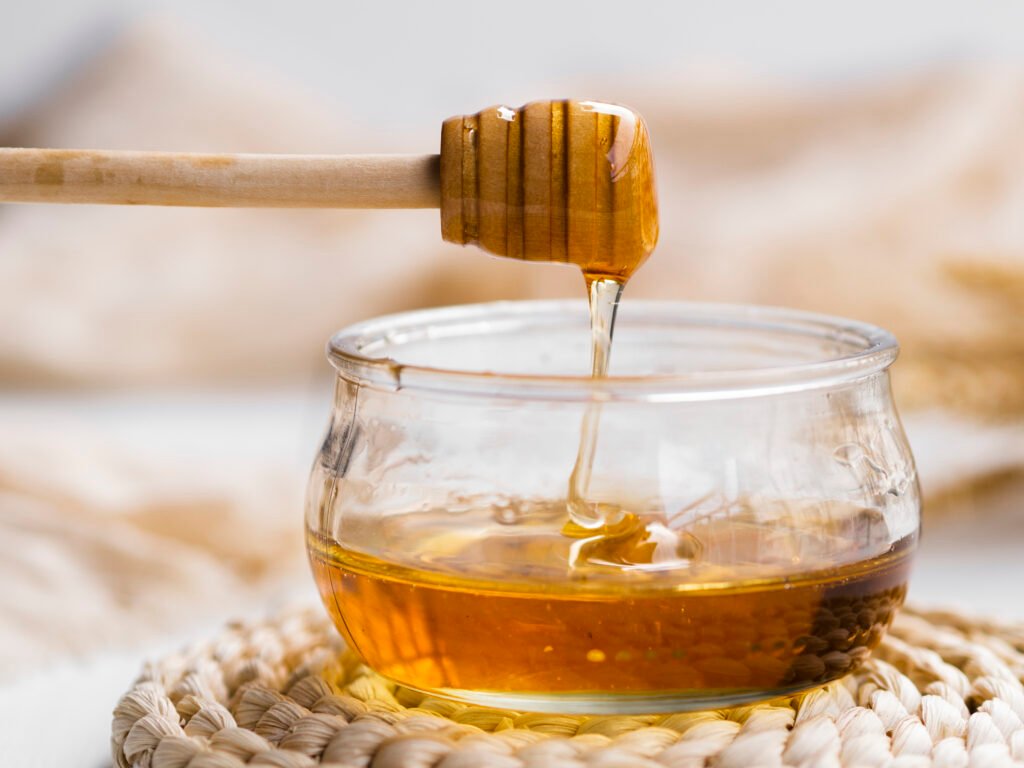
Drink honey water
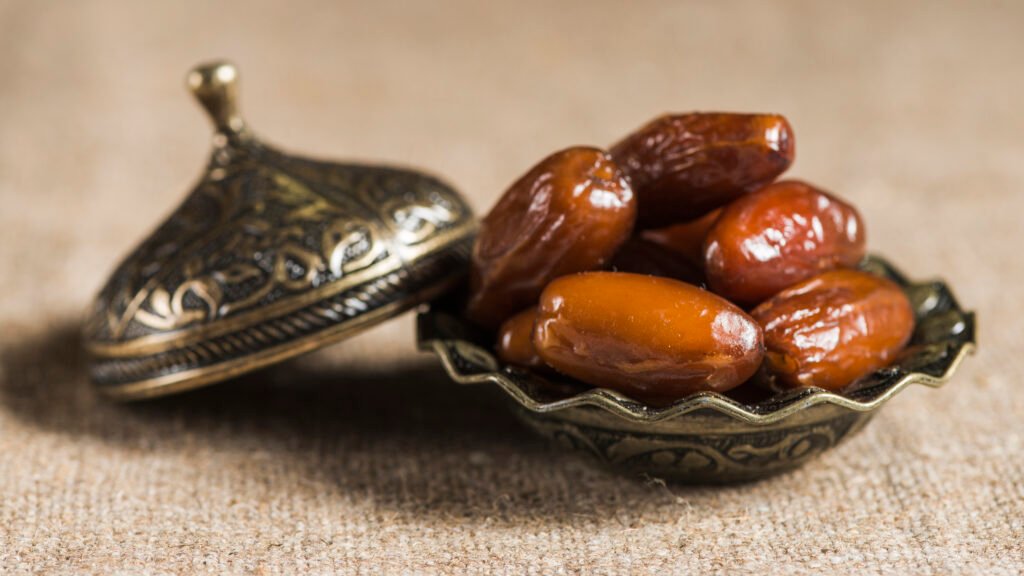
Eat dates, an instant energy booster
Avoid physical exercise after Hijama
Avoid taking a bath for 24 hours
Hydrate yourself
Avoid animal food like chicken or mutton for 24 hours
Avoid dairy products for 24 hours
No swimming for the next 48 hours
Consume a balanced diet (no junk food)
Cover your body to keep yourself warm
How you Feel After Hijama

After Hijama cupping therapy, an individual may have a few symptoms. Some of them are:
Some people may feel nauseous after Hijama
Some people get dizzy for a few minutes
Some people sweat
Ecchymosis (discoloration of skin) happens on the skin
Some people may feel tired or lethargic for a few hours after Hijama
Some people may feel sleepy after Hijama
Who Should Avoid Cupping?
There are several conditions in which Hijama cupping therapy should be avoided.
Hijama should be avoided in high fever
Pregnant ladies should avoid Hijama during pregnancy
People who have a few skin conditions in which they bleed easily
People who are on blood thinning medicines should avoid their medicine for 2 days then they can perform Hijama
People who have had a recent major surgery should avoid Hijama
Hijama should not be performed on inflamed or rashy skin
Hijama should be avoided with high blood pressure, low blood pressure and low sugar levels
Extreme anemic patients should also avoid Hijama
What are the real benefits of cupping therapy?
The benefits of Hijama cupping therapy cannot be described in a few words. It is a natural treatment that has a long history.
Hijama improves blood circulation
Drags the stagnated and toxic blood out
Boosts the formation of new blood cells
Relieves digestive problems
Improves mental health
Relieves from depression and anxiety attacks
Alleviate muscular pains
Promotes healthy skin
Natural pain reliever
Controls high blood pressure, cholesterol and sugar levels in blood
Stimulates the nervous system
Enormous benefits for hormonal imbalances, infertility, menopause, menstrual cramps, irregular menstruation
Relieves migraine, headaches, anxiety, depression, muscular aches, skin allergies etc
Hijama cupping therapy is Sunnah-e-Rasool and has enormous benefits. Complete the sunnah, drag the toxic blood out of your body and let your body heal itself.