
No products in the cart.
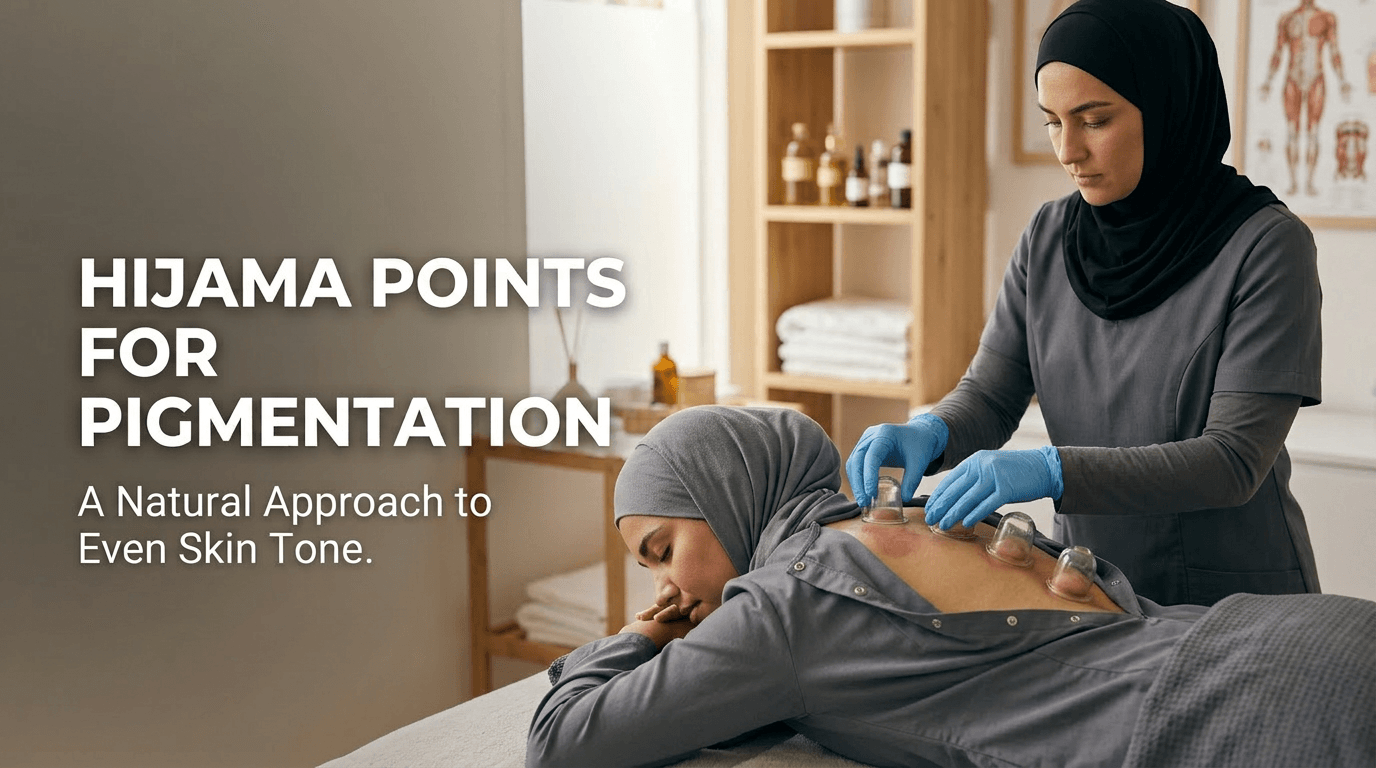
Best Hijama/Wet Cupping Points for Pigmentation
Struggling with pigmentation? Targeting these Hijama points might surprise you.
A pigment called melanin is produced by specialized cells in the skin that play a significant role in protecting the skin from damage. Melanin provides a unique skin tone to each person. When pigmentation becomes uneven, areas of the skin can appear darker. This is known as hyperpigmentation, and it can show up as dark spots, patches, or discoloration on the face and body. Common types include melasma, sunspots, and marks left behind after acne or skin irritation. Pigmentation can develop due to various internal and external factors, such as sun exposure, hormonal changes, genetics, inflammation, side effects of medication, gut imbalance, blocked liver detox pathways, or wrong skincare.
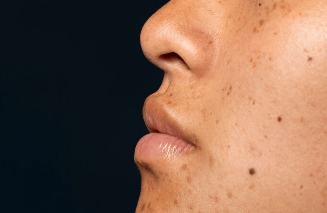
The Connection Between Hijama and Pigmentation
The connection between Hijama cupping therapy and pigmentation is primarily holistic and integral. Pigmentation appears on the surface of the skin, so it is often assumed that the solution should also be external, such as avoiding sun exposure or applying topical creams. While these steps are important, the reality is that many underlying causes of pigmentation are internal, particularly hormonal imbalances and inflammation.
Practitioners incorporate Hijama as a way to support the body from within. By helping to improve blood circulation, reduce tension, and support the body’s natural processes, Hijama contributes to better internal balance. When the body functions more efficiently especially in terms of circulation, inflammation control, and overall well-being —it reflects positively on the skin over time.
1. Blood Circulation and Skin Nutrition
Pigmentation often appears when skin cells are stressed or lack proper nutrients to heal. Hijama creates a localized vacuum that pulls blood to the surface, significantly increasing blood circulation. This rush of fresh blood delivers oxygen and essential nutrients to the skin tissues, which can support the natural repair process of damaged or pigmented cells.
2. Inflammation Reduction
Many types of pigmentation, especially Post-Inflammatory Hyperpigmentation (PIH), are caused by lingering inflammation from acne, rashes, or injuries. Hijama is often used to help reduce localized inflammation. It also improves lymphatic drainage and blood flow, and helps the body clear away inflammatory markers that keep pigmentation active or visible.
3. Supporting Internal Detox (Liver and Gut)
In traditional and holistic medicine, skin health is often viewed as a reflection of internal organ health.
- Liver Connection: The liver is responsible for balancing hormones (like estrogen), which are a major trigger for pigmentation.
- Gut Connection: Poor digestion can lead to inflammation, which leads to skin issues like pigmentation and melasma.
Practitioners often place cups on specific areas commonly referred to as “liver points” and “digestive points,” usually located along the upper, middle, and lower back, and sometimes on the front of the body, depending on the approach.
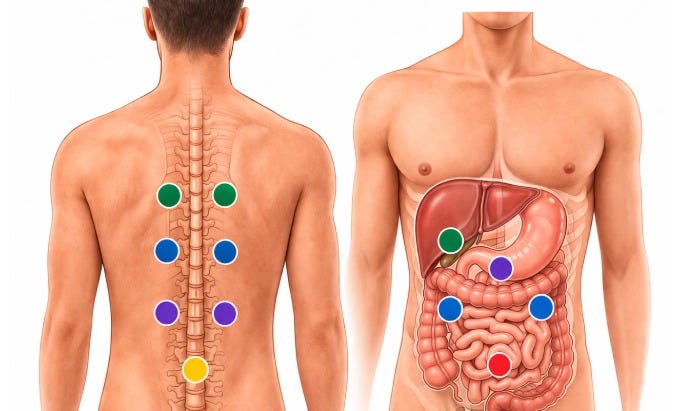
The idea behind targeting these points is to help stimulate blood flow and reduce tension in areas connected to the liver and digestive system. When circulation improves, it may support the body’s natural processes, such as metabolism, nutrient absorption, and internal imbalances like inflammation. Since the liver and digestive system play a role in processing nutrients, hormones, and waste products, supporting their function can contribute to overall internal balance.
Over time, when the body is functioning more efficiently internally, it may reflect externally through the skin. This is why some practitioners observe that clients experience improvements in skin clarity, reduced dullness, or a more even complexion. However, it is important to understand that this effect is gradual and supportive rather than immediate or direct. Hijama is part of a broader, holistic approach in which internal support, proper skincare, and lifestyle habits work together to influence skin health.
4. Stress and Hormonal Balance
Stress triggers cortisol, which can worsen hormonal pigmentation. Because Hijama can stimulate the parasympathetic nervous system, it helps lower stress levels. A calmer body is less likely to trigger the hormonal spikes that cause patches like Melasma or pigmentation to flare up.
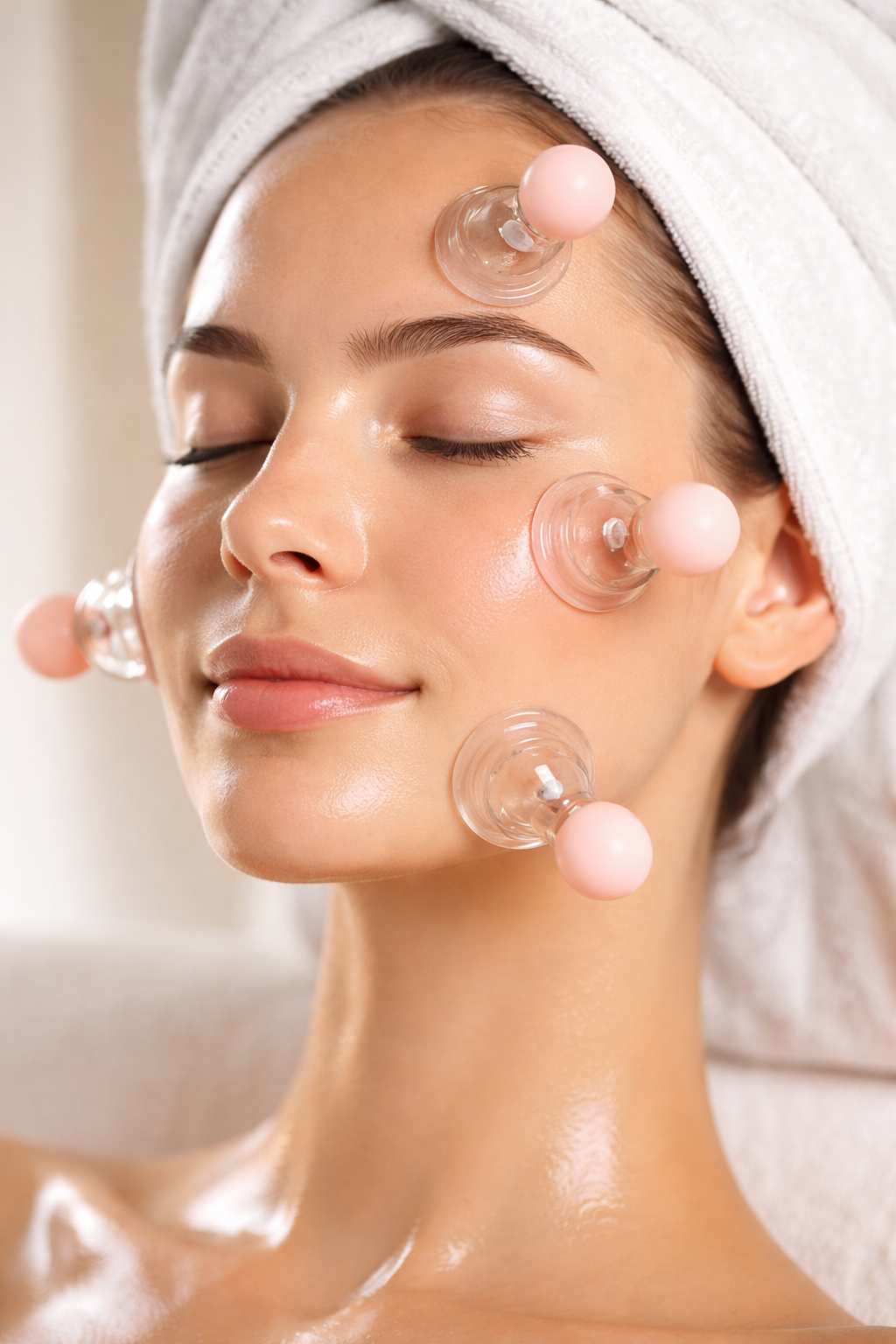
Hijama practitioners avoid targeting the face for pigmentation because the cause is usually internal or systemic. Because of this, practitioners often focus on treating the root causes instead of only the visible area.
Hijama performed on the face can help improve the skin’s natural glow and overall appearance. By gently stimulating blood circulation, it may support better delivery of oxygen and nutrients to the skin, which can contribute to a fresher, healthier-looking complexion. Many people also seek facial cupping for benefits such as reduced puffiness, improved skin tone, relaxation of facial tension, and a radiant glow.
However, facial Hijama must be performed with great care and only by a properly trained and experienced practitioner. The skin on the face is much thinner, more delicate, and more sensitive compared to other parts of the body. Because of this, improper technique can lead to irritation, bruising, scarring, or even worsening of skin concerns. A skilled practitioner understands the correct pressure, placement, and method needed to ensure the treatment is both safe and beneficial. For this reason, facial Hijama should always be approached with professional knowledge and caution.
A more effective approach is to support the body internally through appropriate Hijama points, while also managing external factors like sun protection and proper skincare.
Hijama treats the soil (your body’s internal environment) so that the plant (your skin) can grow healthier and clearer.
Hijama on Face Benefits (Beyond Just Whitening)
People usually start Hijama for one reason, but stay for many.
Some key Hijama on face benefits include:
- Skin looks naturally brighter (not artificially whitened)
- Acne breakouts reduce over time
- Fine lines appear softer
- Skin feels healthier, not just looks better
- You rely less on chemical products
It’s more of a long-term skin correction rather than a quick fix.
Can Hijama Help with Skin Diseases?
Yes — and this is where Hijama becomes even more valuable.
There are specific Hijama points for skin diseases that are used for conditions like:
- Acne
- Eczema
- Psoriasis
- Allergic skin reactions
In these cases, practitioners often focus on the back, neck, and detox-related points instead of only the face.
Face Hijama Side Effects – What You Should Know
It’s important to be real about this.
Face Hijama side effects are usually mild, but they can happen:
- Slight redness right after the session
- Minor swelling or sensitivity
- Light bruising in some cases
These effects usually settle within a few hours to a couple of days.
Problems only happen when Hijama is done by untrained hands. That’s why choosing the right practitioner is critical.
Who Should Be Careful?
Hijama is safe for most people, but it’s better to avoid or delay it if:
- You are pregnant
- You have very low hemoglobin
- You have a bleeding disorder
- You have active skin infections
A proper consultation always comes first.
Aftercare – This Part Really Matters
Many people ignore this, but aftercare can affect your results.
After your session:
- Don’t wash your face immediately
- Avoid makeup for at least a day
- Drink plenty of water
- Stay away from direct sun exposure
- Keep your diet clean
Think of it as giving your skin time to recover and rebuild.
Final Thoughts
If you’re tired of trying products that only give temporary results, Hijama for pigmentation on face is worth considering.
It doesn’t promise instant perfection but it offers something better: real, gradual, and natural improvement.
When done correctly, using the right face Hijama points, this therapy can help your skin heal from within. And that’s the kind of result that actually lasts.
A Practitioner’s Honest Advice
Don’t rush the process. Hijama works best when you stay consistent and patient. Your skin didn’t develop pigmentation overnight, and it won’t clear overnight either but with the right approach, it will improve.


Leave a Reply