
No products in the cart.
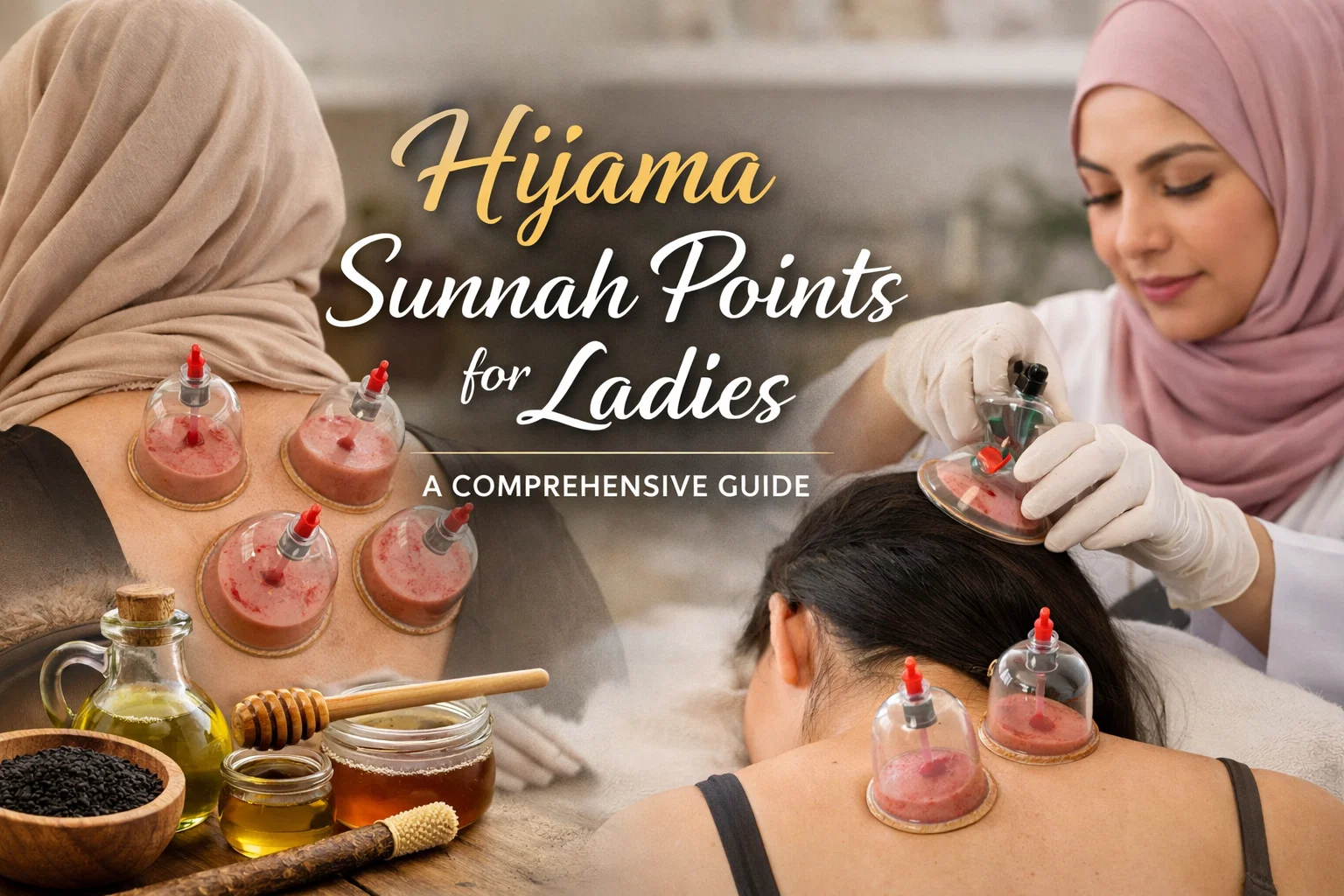
Hijama Sunnah Points for Ladies: A Comprehensive Guide
Hijama, often referred to as “wet cupping therapy,” is an ancient healing practice deeply rooted in many cultures and traditions, including Islamic heritage. The Prophet Muhammad (peace be upon him) is reported to have extensively used and recommended Hijama, making it a Sunnah practice. While the benefits of Hijama are widely discussed for both men and women, there’s a particular interest in understanding the specific Sunnah points for ladies. This guide aims to provide a detailed exploration of Hijama for women, focusing on the recommended points derived from Sunnah, its potential benefits, and important considerations.
In 2026, the interest in holistic and natural healing methods continues to surge. Many women are seeking alternatives or complementary therapies to address various health concerns, from menstrual irregularities and fertility issues to stress and general well-being. Hijama, with its emphasis on detoxification and restoring the body’s natural balance, offers a compelling option. Statistics from the World Health Organization (WHO) indicate a growing global acceptance of Traditional Medicine, Complementary, and Alternative Medicine (TM/CAM) practices, with cupping therapy being a prominent example. A recent survey revealed that over 60% of individuals seeking alternative therapies reported positive outcomes for chronic pain management, a common ailment that Hijama can potentially address.
Understanding the Sunnah points is crucial for anyone wishing to practice Hijama according to the prophetic tradition. These points are not arbitrary; they are believed to correspond to specific energy pathways and vital organs within the body, allowing for targeted therapeutic effects. For ladies, while many points overlap with those for men, certain considerations and additional points might be relevant due to anatomical and physiological differences.
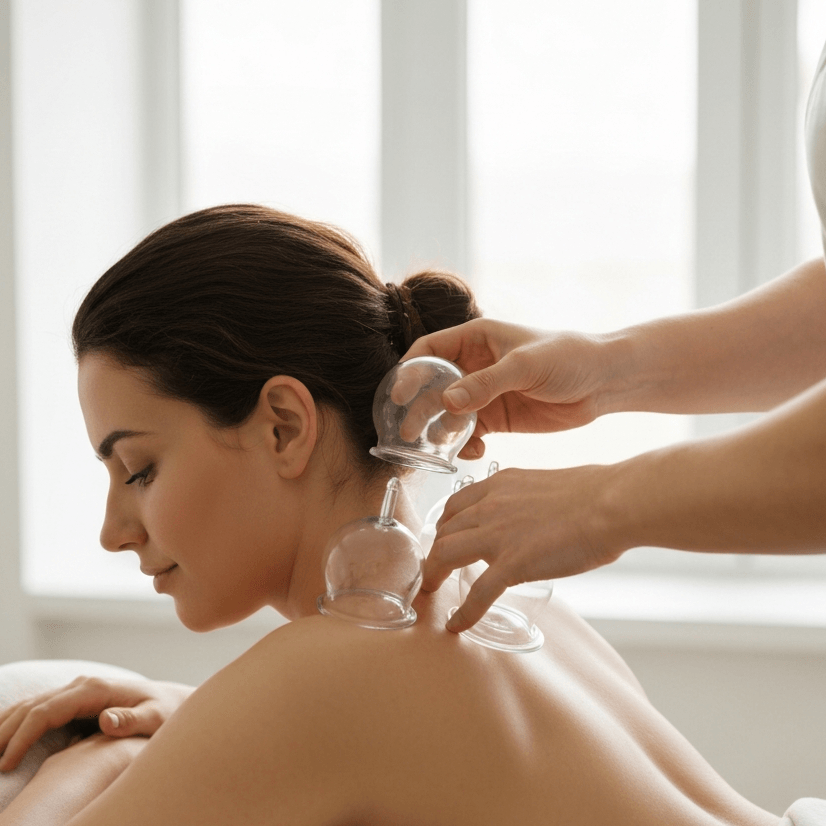
The Significance of Sunnah in Hijama
The term Sunnah refers to the practices, teachings, and sayings of the Prophet Muhammad (peace be upon him). When applied to Hijama, it means performing the therapy in a way that aligns with his recommendations and actions. This includes the specific points on the body where cupping is performed, the timing (often associated with specific lunar days), and the intention behind the therapy.
The Prophet Muhammad (peace be upon him) himself underwent Hijama and recommended it for various ailments. Numerous Hadith (sayings and actions of the Prophet) mention Hijama, highlighting its therapeutic value. For instance, it is narrated that the Prophet (peace be upon him) said, “The best treatment you can use is Hijama.” [Source: Sahih Bukhari and Muslim]. This endorsement lends significant weight to the practice and encourages Muslims to consider it as a viable form of healing.
The Sunnah points are generally considered to be the most effective and safe locations for cupping. These points are often located on the back, particularly the upper back and shoulders, as well as the head. The wisdom behind choosing these points relates to the understanding of the body’s circulatory system, nervous system, and the concept of vital energy flow, which is also echoed in Traditional Chinese Medicine’s meridian system.
Understanding Hijama for Ladies: Unique Considerations
While the fundamental principles of Hijama apply to everyone, there are specific considerations for women. Anatomically, women have different physiological systems, particularly concerning reproductive health. Therefore, certain Hijama points might be more relevant or beneficial for addressing issues specific to women’s health.
It is important to note that Hijama should always be performed by a qualified and experienced practitioner. For ladies, seeking a female practitioner might be preferable for comfort and adherence to Islamic principles of modesty. The practitioner should have a thorough understanding of anatomy, physiology, and the specific Sunnah points, as well as contraindications for Hijama.
Key Sunnah Points for Ladies
The following points are frequently mentioned in the context of Sunnah Hijama and are generally applicable to both men and women. However, their application and potential benefits for ladies can be particularly significant.
The Al-Kahil (Upper Back/Between Shoulder Blades): This is perhaps the most emphasized Sunnah point. It is located at the base of the neck, between the shoulder blades. It is reported that the Prophet Muhammad (peace be upon him) had Hijama performed on his Al-Kahil.
Potential Benefits for Ladies: This point is believed to help with a wide range of ailments, including headaches, neck pain, shoulder stiffness, and general fatigue. For women experiencing stress or tension, which can exacerbate menstrual discomfort, this point can be very soothing. It is also thought to improve blood circulation to the head and upper body.
The Fakhidh (Upper Thigh): Located on the upper part of the thigh, this point is also mentioned in some narrations.
Potential Benefits for Ladies: This point can be beneficial for issues related to the lower back and hips, which are common concerns for many women, especially during pregnancy or post-partum. It may also help with leg pain and improve circulation in the lower extremities.
The Aqahil (Back of the Neck): This point is located at the back of the neck, just below the hairline.
Potential Benefits for Ladies: Similar to Al-Kahil, this point is excellent for relieving tension headaches, neck stiffness, and improving blood flow to the brain. It can be particularly helpful for ladies who spend long hours in front of screens or in sedentary positions.
Points on the Head: Several points on the head are also considered Sunnah. These are often located on the crown, forehead, and temples.
Potential Benefits for Ladies: Hijama on the head can be very effective for headaches, migraines, insomnia, and improving mental clarity. For women dealing with hormonal fluctuations that can lead to mood swings or anxiety, these points may offer relief. It’s also believed to improve vision and memory.
Points on the Back (Along the Spine): While specific points along the spine are not always detailed as Sunnah in the same way as Al-Kahil, general cupping along the vertebral column is a common practice in Hijama and is believed to be beneficial.
Potential Benefits for Ladies: This can help alleviate back pain, improve posture, and stimulate the nervous system. For women experiencing menstrual cramps or pelvic discomfort, improved spinal alignment and reduced muscle tension can be beneficial.
Additional Points of Interest for Ladies’ Health
Beyond the strictly defined Sunnah points, practitioners often incorporate other locations based on traditional knowledge and the individual’s specific health concerns. For ladies, these might include:
- Lower Abdomen: With extreme caution and by a skilled practitioner, gentle cupping on the lower abdomen might be considered for certain gynecological issues, such as menstrual pain or irregular cycles. However, this area requires careful handling, and contraindications must be strictly observed. This is not typically considered a primary Sunnah point for general application.
- Lower Back: Besides the points mentioned above, general cupping on the lower back can be highly beneficial for women experiencing lower back pain, which can be exacerbated by hormonal changes or prolonged standing.
- Calf Muscles: For women who suffer from restless legs syndrome or leg fatigue, cupping on the calf muscles can help improve circulation and relieve discomfort.
- Liver and Spleen Areas (Upper Abdomen): While not exclusive to women, these points can be relevant for detoxification and addressing issues related to digestion and energy levels, which can impact overall well-being in ladies.
Potential Benefits of Hijama for Ladies
Hijama offers a wide array of potential benefits for women, addressing both physical and emotional well-being.
1. Pain Relief
- Menstrual Cramps: Hijama can help relax muscles, improve blood flow, and reduce inflammation, potentially alleviating the severity of menstrual cramps.
- Headaches and Migraines: By releasing tension in the neck and shoulders and improving circulation to the head, Hijama can provide significant relief from headaches and migraines, which are common among women.
- Back and Joint Pain: Many women experience chronic back pain or joint discomfort. Hijama’s ability to reduce muscle tension and inflammation can be highly beneficial.
2. Detoxification and Improved Circulation
Hijama works by creating suction on the skin, which is believed to draw out toxins and stagnant blood from the body. This process can:
- Purify the Blood: Removing impurities from the bloodstream.
- Enhance Blood Circulation: Improving the delivery of oxygen and nutrients to tissues and organs.
- Boost the Immune System: By stimulating the lymphatic system and promoting the removal of waste products.
3. Hormonal Balance and Reproductive Health
While direct scientific evidence linking Hijama to hormonal balance is still developing, anecdotal evidence and traditional understanding suggest potential benefits:
- Regulating Menstrual Cycles: By improving circulation and potentially influencing hormonal pathways, Hijama might help regulate irregular periods.
- Addressing Fertility Concerns: Improved circulation to the pelvic region and the body’s overall detoxification can create a more favorable environment for conception. However, Hijama should be considered a complementary therapy, and professional medical advice is essential.
4. Stress Reduction and Mental Well-being
The therapeutic process of Hijama can be deeply relaxing. The release of endorphins and the reduction of muscle tension can lead to:
- Reduced Anxiety and Stress: Many women find Hijama to be a calming experience that helps alleviate feelings of anxiety and overwhelm.
- Improved Sleep Quality: By addressing pain and promoting relaxation, Hijama can contribute to better sleep.
- Enhanced Mood: The overall sense of well-being and relief from discomfort can positively impact mood.
5. Skin Health
Hijama can improve skin health by:
- Cleansing Pores: The suction can help draw out impurities from the skin.
- Improving Blood Flow to the Skin: This can contribute to a healthier, more radiant complexion.
- Treating Skin Conditions: In some cases, Hijama has been used to help manage conditions like acne and eczema, although results can vary.
The Process of Hijama
Hijama typically involves several steps:
- Consultation: A qualified practitioner will assess your health history, current condition, and discuss your concerns.
- Preparation: The skin at the selected points is cleaned and disinfected.
- Dry Cupping (Optional): In some cases, cups are placed on the skin for a short period to warm the area and prepare it for wet cupping.
- Wet Cupping: Small, superficial incisions are made on the skin at the cupping points using a sterile lancet. The cups are then reapplied to create suction. This draws out a small amount of blood, which may appear dark or contain clots, believed to be stagnant or “toxic” blood.
- Aftercare: The treated areas are cleaned and dressed. The practitioner will provide advice on post-treatment care, such as avoiding strenuous activity, certain foods, and staying hydrated.
Important Considerations and Contraindications
While Hijama is generally safe when performed correctly, it is crucial to be aware of potential risks and contraindications.
Who Should Avoid Hijama?
- Pregnant Women: Hijama is generally not recommended during pregnancy, especially on the abdomen and lower back.
- Individuals with Bleeding Disorders: Those who have hemophilia or are taking blood-thinning medications should avoid Hijama.
- Anemic Individuals: Hijama involves bloodletting, so it is not suitable for individuals with severe anemia.
- Individuals with Certain Skin Conditions: Active infections, severe eczema, or open wounds at the treatment site should be avoided.
- Very Elderly or Very Young: Extreme caution and professional judgment are needed for these age groups.
- Individuals with Heart Conditions or Pacemakers: Consultation with a medical doctor is essential.
- Recent Surgeries: It is advisable to wait a sufficient period after surgery before undergoing Hijama.
Potential Side Effects
- Bruising: This is the most common side effect and usually subsides within a few days to a week.
- Soreness: The treated areas may feel sore or tender.
- Dizziness or Fainting: Some individuals may feel lightheaded, especially during or after the procedure.
- Infection: If sterile equipment and proper hygiene are not used, there is a risk of infection. This underscores the importance of seeking a qualified practitioner.
Choosing a Practitioner
- Qualifications and Training: Ensure the practitioner is certified and has received proper training in Hijama therapy.
- Hygiene Standards: Observe the practitioner’s hygiene practices. They should use sterile, single-use equipment (lancets, cups if disposable) and maintain a clean environment.
- Experience: An experienced practitioner will be better equipped to handle different conditions and ensure safety.
- Communication: The practitioner should be able to explain the procedure clearly, discuss potential benefits and risks, and answer all your questions.
- Female Practitioner: For many ladies, seeking a female Hijama therapist can enhance comfort and adherence to modesty.
The Spiritual Aspect of Hijama
Beyond its physical benefits, Hijama holds a spiritual significance for Muslims. Performing Hijama with the intention of seeking healing from Allah (God) and following the Sunnah is considered an act of worship. The intention (niyyah) is paramount in Islam, and approaching Hijama with a sincere desire for wellness and obedience to the Prophet’s teachings can add a spiritual dimension to the healing process. Many Muslims believe that Hijama, when performed with the correct intention and in accordance with the Sunnah, can bring about blessings and healing sanctioned by Allah.
Scientific Research and Hijama
While Hijama has been practiced for centuries based on empirical observation and tradition, scientific research into its efficacy is ongoing. Studies have explored its effects on various conditions, including:
- Chronic Pain: Research suggests Hijama may be effective in managing chronic pain conditions like lower back pain, rheumatoid arthritis, and fibromyalgia. [Source: PubMed Central research articles often discuss cupping therapy for pain management].
- Hypertension: Some studies indicate that Hijama may help lower blood pressure.
- Metabolic Syndrome: Research is exploring its potential role in improving markers of metabolic syndrome.
- Mental Health: Preliminary studies are investigating its effects on anxiety and depression.
The mechanisms by which Hijama might work are thought to include:
- Release of Endorphins: Natural pain relievers produced by the body.
- Improved Blood Flow: Increasing oxygen and nutrient supply to tissues.
- Reduced Inflammation: Modulating the body’s inflammatory response.
- Detoxification: Facilitating the removal of metabolic waste products.
The scientific community is increasingly recognizing the potential of complementary therapies like Hijama, and more rigorous studies are being conducted to validate its therapeutic applications. For the latest advancements and research findings, consulting reputable medical journals and databases is recommended.
Conclusion
Hijama, or wet cupping therapy, remains a revered healing practice, particularly for ladies seeking natural and holistic approaches to health and well-being. By focusing on the Sunnah points, individuals can harness the therapeutic potential of this ancient therapy, following the guidance of the Prophet Muhammad (peace be upon him). From alleviating menstrual discomfort and pain to promoting detoxification and reducing stress, Hijama offers a multifaceted approach to healing.
It is paramount to approach Hijama with informed intent, understanding its benefits, potential risks, and contraindications. Seeking a qualified and hygienic practitioner, preferably a female therapist for ladies, is crucial for a safe and effective experience. As research continues to explore the scientific underpinnings of Hijama, its place in modern healthcare, alongside traditional and prophetic guidance, is likely to grow. By combining faith, tradition, and modern understanding, Hijama can serve as a powerful tool for achieving optimal health for women in 2026 and beyond.
Frequently Asked Questions About Hijama for Ladies
1.What are the primary Sunnah points for Hijama for ladies?
ladies?The most emphasized Sunnah point for Hijama is Al-Kahil, located on the upper back between the shoulder blades. Other commonly cited Sunnah points include the Aqahil (back of the neck) and specific points on the head. While these are general Sunnah points, their application for ladies can address common issues like headaches, neck pain, and stress.
2.Can Hijama help with menstrual pain and irregularities?
Yes, Hijama may help alleviate menstrual pain by relaxing muscles, improving blood circulation to the pelvic region, and reducing inflammation. For irregularities, improved circulation and potential hormonal balance effects are believed to be beneficial, though it should be used as a complementary therapy alongside medical advice.
3.Is it permissible for women to perform Hijama on themselves or have a male practitioner?
In Islam, modesty is important. If a woman is comfortable and can maintain modesty, performing Hijama on herself at Sunnah points might be permissible. However, it is generally preferred for a woman to be treated by a female Hijama practitioner. If a male practitioner is the only option available, strict adherence to Islamic guidelines for modesty must be observed, ensuring minimal exposure and professional conduct.
4.Are there any specific risks associated with Hijama for women?
The general risks of Hijama, such as bruising, soreness, and potential infection (if not performed hygienically), apply to women. Specific contraindications for women include pregnancy, as Hijama is generally not recommended during gestation. Women with anemia or bleeding disorders should also exercise caution. Always consult a healthcare professional before undergoing Hijama.
5.How often should a lady get Hijama done?
The frequency of Hijama treatments depends on individual health needs and the practitioner’s recommendation. Generally, Hijama can be performed monthly, bi-monthly, or seasonally. For specific health concerns, a practitioner might suggest a series of treatments. Listening to your body and consulting with a qualified practitioner is key.
6.Can Hijama be done during the menstrual period?
It is generally advised not to perform Hijama during the actual menstrual period. This is because the body is already undergoing a natural process of shedding, and additional bloodletting might lead to excessive weakness or anemia. It is usually recommended to wait until after the menstrual cycle has ended.

Leave a Reply