
No products in the cart.

Hijama for Fibromyalgia: A Natural Approach to Chronic Pain Relief
Understanding Fibromyalgia and Its Daily Challenges
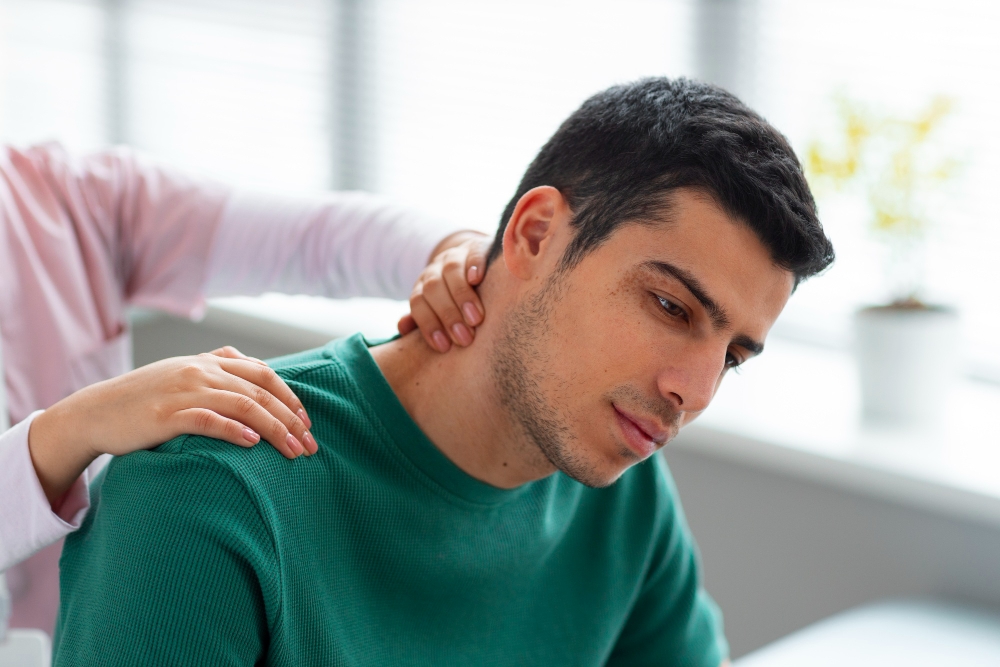
Living with fibromyalgia can feel exhausting both physically and emotionally. This chronic condition is known for causing widespread musculoskeletal pain, fatigue, sleep disturbances, brain fog, headaches, and tender points throughout the body. Many patients struggle with symptoms for years before receiving a proper diagnosis.
Fibromyalgia does not only affect pain levels. It can interfere with work performance, family life, emotional wellbeing, and mobility. Patients commonly report:
- Persistent body aches
- Muscle stiffness
- Joint pain
- Extreme fatigue
- Poor sleep quality
- Anxiety and stress
- Headaches and migraines
- Tender point sensitivity
Since conventional treatment often focuses on symptom management through medications, physiotherapy, and lifestyle adjustments, many patients begin searching for natural treatment for fibromyalgia pain and complementary therapies.
One increasingly popular option is Hijama therapy for fibromyalgia, also known as wet cupping for fibromyalgia.
What Is Cupping Therapy?
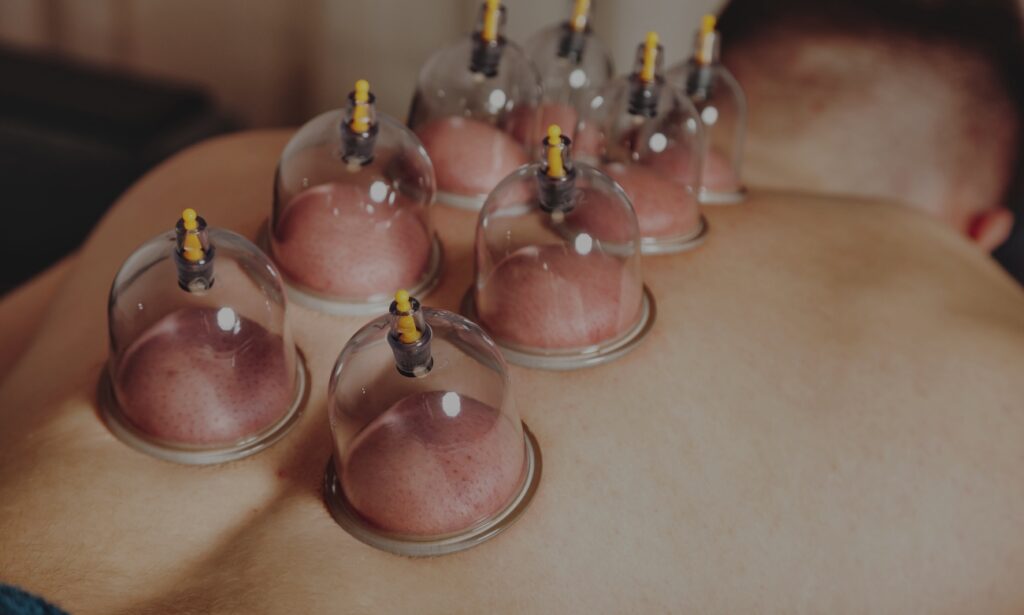
Hijama therapy is a traditional healing practice involving suction cups placed on specific body areas to stimulate blood circulation, reduce muscular tension, and promote detoxification.
In wet cupping, small superficial incisions are made after suction, allowing a small amount of blood to be drawn out. This method has been used for centuries in various cultures and is widely known as part of prophetic medicine.
Today, many people seek Hijama treatment for chronic pain, inflammation, fatigue, and stress-related conditions.
Patients exploring fibromyalgia alternative treatment options often ask:
- Can Hijama help fibromyalgia?
- Is Hijama good for fibromyalgia?
- Does wet cupping help fibromyalgia?
The answer depends on the individual, but many people report symptom improvement after regular sessions.
Can Cupping Help Fibromyalgia?
Fibromyalgia is linked to abnormal pain processing, nervous system sensitivity, poor sleep, inflammation, and muscle tightness.
While Hijama does not claim to cure fibromyalgia, it may support symptom relief by targeting some contributing factors.
Potential benefits of Hijama for fibromyalgia include:
1. Improved Blood Circulation
Cupping creates negative pressure, which may improve blood flow to tight muscles and painful regions.
Better circulation may help:
- Reduce muscle stiffness
- Support tissue oxygenation
- Relieve body aches
This makes wet cupping for chronic pain a practical complementary option.
2. Reduction in Muscle Tension and Trigger Points
Many fibromyalgia patients suffer from muscular knots, tender points, and myofascial tightness.
Hijama for muscle pain may help release tension around:
- Neck
- Shoulders
- Upper back
- Lower back
- Hips
- Legs
This is why many patients search for best Hijama points for fibromyalgia pain.
3. Support for Inflammation Relief
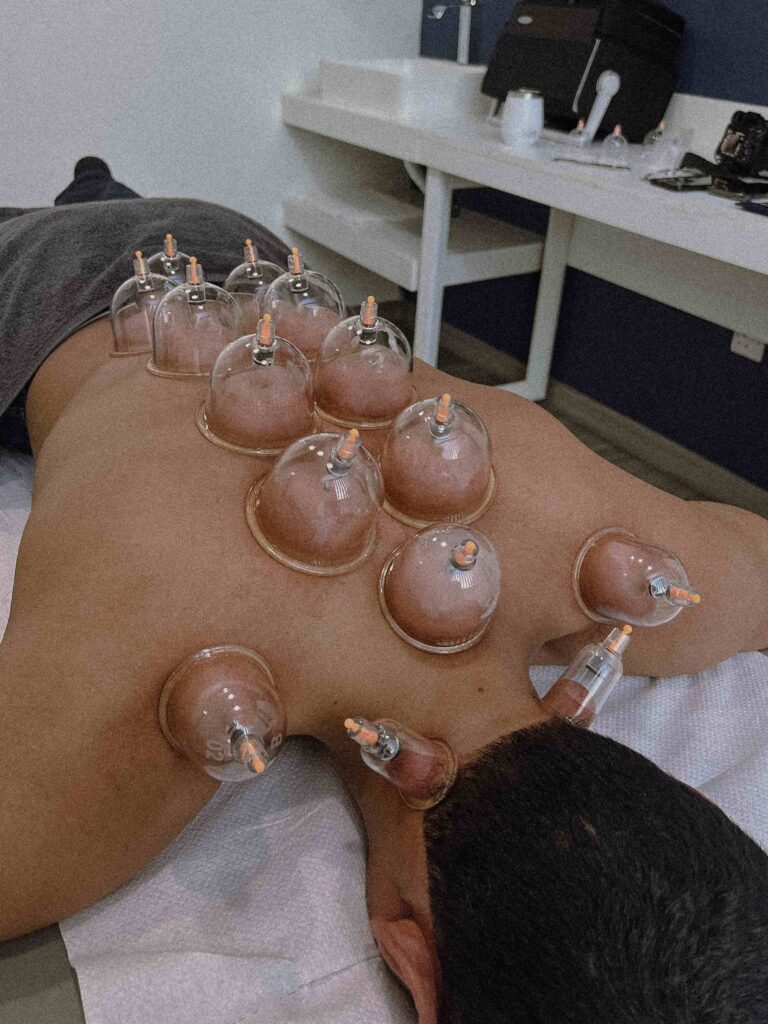
Although fibromyalgia is not officially classified as an inflammatory disease, many individuals experience symptoms that closely resemble inflammation-related discomfort, including body aches, muscle tenderness, stiffness, swelling sensations, and nerve sensitivity.
This is why many patients actively search for supportive therapies such as:
- Hijama for inflammation
- Hijama for nerve pain and inflammation
Wet cupping therapy is believed to support the body by improving local blood circulation, reducing tissue stagnation, and relieving muscular congestion in targeted areas. By promoting better circulation and easing tight, sensitive muscles, Hijama may help reduce discomfort often associated with inflammation-like symptoms, making it a valuable complementary option for fibromyalgia pain management.
4. Stress and Anxiety Relief
For many individuals, fibromyalgia symptoms tend to flare during periods of physical or emotional stress. Since the condition is closely linked to nervous system sensitivity, stress can intensify pain perception, fatigue, muscle tension, and sleep disturbances.
Many fibromyalgia patients commonly experience:
- Anxiety
- Poor sleep quality
- Mental fatigue
- Brain fog
- Emotional exhaustion and burnout
This is why many people explore Hijama for stress and anxiety as part of a broader wellness strategy. By promoting deep relaxation, reducing muscular tension, and encouraging nervous system regulation, Hijama therapy may help calm the body’s stress response.
A more balanced nervous system can indirectly support fibromyalgia management by helping patients improve sleep, reduce tension-related flare-ups, and better cope with chronic pain symptoms.
5. Better Sleep Quality
Poor sleep is one of the biggest fibromyalgia triggers.
Patients frequently search:
- Hijama for sleep problems
- fibromyalgia fatigue treatment naturally
By reducing pain and tension, Hijama may support deeper rest.
Hijama Points for Fibromyalgia
Proper point selection is essential.
A qualified practitioner usually selects Hijama points for fibromyalgia based on symptoms, pain patterns, and medical history.
Common Hijama points for fibromyalgia include:
Upper Body Points
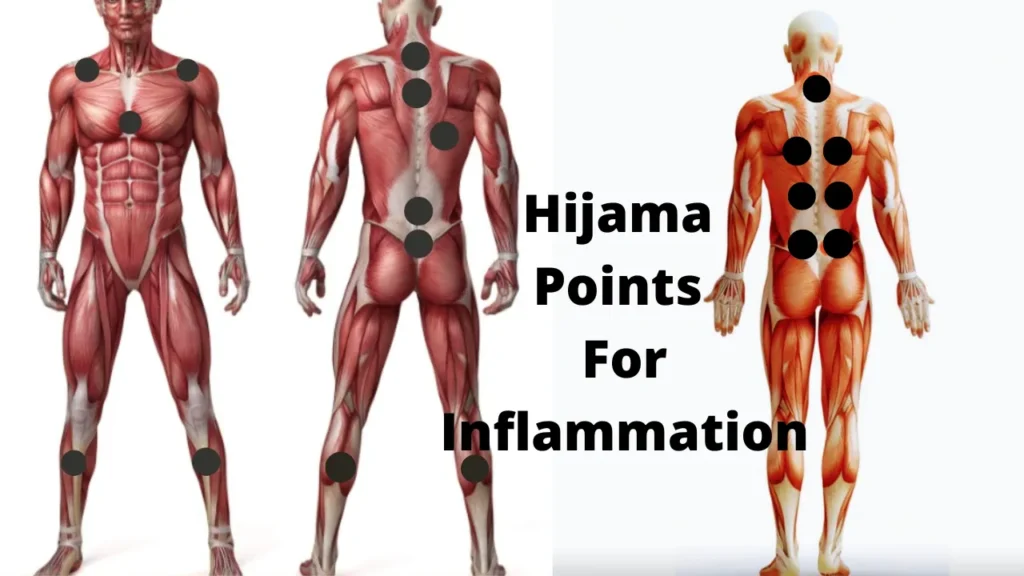
Used for neck pain, headaches, shoulder tension, and upper back stiffness:
- Upper trapezius
- Between shoulder blades
- Neck base
- Shoulders
Helpful for:
- Hijama for headaches
- Hijama for muscle stiffness
Lower Back Points
Lower back pain is common in fibromyalgia.
Points often include:
- Lumbar region
- Sacral area
Helpful for:
- Hijama for joint pain
- Hijama for body aches
Leg and Hip Points
For leg fatigue, tenderness, and mobility issues:
- Calves
- Hamstrings
- Hip region
Useful for:
- Muscle fatigue
- Chronic body pain
Sunnah Points
Some practitioners also incorporate traditional Sunnah Hijama points into fibromyalgia treatment plans as part of a more holistic and personalised approach. These points are commonly used in prophetic medicine and are often selected alongside symptom-specific treatment areas to support overall wellbeing, circulation, and pain management.
Patients looking for a more natural and faith-aligned healing approach frequently explore Sunnah treatment for pain, especially when seeking complementary support for chronic conditions such as fibromyalgia, fatigue, muscle tension, and stress-related discomfort.
How Hijama Helps Fibromyalgia Pain
A common question among patients is: How does Hijama help fibromyalgia pain?
While fibromyalgia is a complex condition involving abnormal pain processing and nervous system sensitivity, Hijama therapy may offer supportive benefits through several possible mechanisms.
These may include:
- Improved microcirculation, which can help deliver oxygen and nutrients to tight, overworked muscles
- Reduction in muscle tightness and stiffness, particularly in commonly affected pain zones
- Nervous system relaxation, helping the body shift away from a prolonged stress response
- Trigger point decompression, which may reduce localized muscular tension and tenderness
- Lower pain sensitivity, potentially helping patients feel less overwhelmed by daily discomfort
For these reasons, many individuals view Hijama as part of a holistic treatment approach for fibromyalgia, alongside lifestyle changes, medical guidance, stress management, and physical therapy.
Although larger clinical studies are still needed to establish stronger scientific evidence, growing patient demand and positive anecdotal experiences continue to increase interest in the potential benefits of cupping therapy for fibromyalgia symptom management.
Is Wet Cupping Safe for Fibromyalgia?
A common question is:
Is wet cupping safe for fibromyalgia?
Generally, yes—when performed by a trained and qualified practitioner.
Safety depends on:
- Sterile equipment
- Proper assessment
- Hygiene standards
- Patient screening
Avoid Hijama if you have:
- Severe anemia
- Blood clotting disorders
- Active skin infections
- Uncontrolled medical conditions
Always consult your healthcare provider before beginning treatment.
How Often Should Fibromyalgia Patients Do Hijama?
Another popular search is:
How often should fibromyalgia patients do Hijama?
Frequency varies.
A common schedule:
Initial Phase
- Every 2–4 weeks
Maintenance
- Every 6–8 weeks
Patients with severe symptoms may require more regular sessions initially.
Consistency matters more than one-time treatment.
Fibromyalgia Natural Treatment with Hijama in Canada
Interest in Hijama for fibromyalgia Canada has grown significantly as more people seek natural therapies.
Patients across Canada are increasingly searching for:
- Hijama for fibromyalgia near me
- fibromyalgia Hijama clinic
- wet cupping therapy for fibromyalgia near me
Reasons include:
- Desire to reduce medication dependence
- Holistic wellness goals
- Chronic pain management support
Many clinics offering best Hijama clinic for chronic pain services now provide customized treatment plans.
Additional Lifestyle Tips for Fibromyalgia Management
Hijama works best as part of a broader strategy combine with:
Gentle Exercise
Low-impact movement helps:
- Improve mobility
- Reduce stiffness
Examples:
- Walking
- Stretching
- Swimming
- Yoga
Useful for fibromyalgia self care tips.
Anti-Inflammatory Nutrition
Balanced diet may support symptom management.
Focus on:
- Whole foods
- Hydration
- Omega-3 sources
- Reduced processed sugar
Helpful for fibromyalgia lifestyle management.
Sleep Optimization
Prioritize:
- Consistent sleep routine
- Reduced screen time
- Stress management
Essential for fibromyalgia pain relief tips.
Stress Reduction
Consider:
- Breathing exercises
- Mindfulness
- Counseling
- Prayer and spiritual wellness
Supports overall nervous system regulation.
How Much Does Hijama for Fibromyalgia Cost at Canadian Clinics?
Cost is a major consideration for chronic pain patients.
Searches commonly include:
- How much does Hijama for fibromyalgia cost in Canada
- Hijama pricing Canada
Average Cost Breakdown
Consultation
Initial assessments usually cost:
- $40 – $80
Some clinics include consultation in first treatment package.
Standard Session
Basic sessions range:
- $80 – $130
Suitable for:
- General wellness
- Limited treatment areas
Fibromyalgia-Focused Sessions
Because fibromyalgia often requires:
- Longer sessions
- Trigger point mapping
- Multiple zones
Pricing is typically:
- $120 – $250 per session
Treatment Packages
Some clinics offer packages.
Examples:
- 3 sessions: $300 – $450
- 5 sessions: $500 – $750
Useful for ongoing chronic pain management.
Factors Affecting Cost
Pricing depends on:
- Clinic reputation
- Practitioner expertise
- Number of cups
- Session duration
- Wet vs dry cupping
- City location
Is Hijama Covered by Insurance for Fibromyalgia in Canada?
A very common question is:
Is Hijama covered by insurance for fibromyalgia in Canada?
Coverage depends on provider and practitioner credentials.
Generally:
Usually Not Covered Directly
Most Canadian insurance plans do not specifically list Hijama.
Possible Indirect Coverage
Some extended health plans may reimburse if Hijama is billed under eligible categories such as:
- Acupuncture
- Traditional Chinese Medicine
- Naturopathic care
- Massage therapy (in some cases)
This depends entirely on:
- Provider rules
- Practitioner licensing
Patients should verify with their insurance company before booking.
Ask:
- Is cupping therapy covered?
- Is wet cupping reimbursable?
- Are alternative chronic pain therapies included?
Hijama Cupping Pricing Comparison in Canada
Canadian pricing varies depending on location, session length, and treatment complexity.
Typical pricing ranges:
| Service | Average Price (CAD) |
|---|---|
| Initial consultation + first session | $120 – $220 |
| Standard Hijama session | $80 – $150 |
| Advanced fibromyalgia protocol | $150 – $250 |
| Follow-up sessions | $80 – $140 |
Clinics using fibromyalgia-specific protocols often charge higher due to longer assessments and additional treatment areas.
Accessibility and Clinic Location
Patients should also consider:
- Parking availability
- Online booking
- Follow-up support
- Clinic hygiene standards
Searches often include:
- Hijama for fibromyalgia near me
- best Hijama clinic for chronic pain
- wet cupping therapy for fibromyalgia near me
For professional chronic pain-focused Hijama services, patients may explore clinics like Hijama Natural Healing in Canada.
Does Hijama Work for Fibromyalgia?
So, does Hijama work for fibromyalgia? Hijama is not a cure, but many patients report meaningful improvements in:
- Pain reduction
- Muscle stiffness
- Fatigue
- Sleep quality
- Stress levels
For individuals seeking best natural treatment for fibromyalgia, Hijama may be a valuable complementary therapy.
If you are living with chronic pain, body aches, fatigue, or tender points, exploring Hijama treatment for body pain and fatigue under professional supervision may be worth considering.
As awareness grows, more Canadians are turning toward natural healing for fibromyalgia with Hijama as part of an integrated wellness approach.
Conclusion
Fibromyalgia can be physically draining and emotionally overwhelming. While no single therapy works for everyone, Hijama therapy for fibromyalgia offers a promising complementary option for those seeking a natural and holistic path.
Whether your goal is managing chronic pain syndrome treatment, reducing fatigue, or improving quality of life, a structured plan that combines Hijama, lifestyle care, and medical support may provide better long-term outcomes.
If you are searching for a Hijama therapist for fibromyalgia in Canada, choose a qualified practitioner experienced in chronic pain conditions and personalized care.
Frequently Asked Questions
1.Can cupping help fibromyalgia pain?
Yes, many patients use cupping to manage muscular tension, trigger points, and circulation-related discomfort.
2.Can Hijama reduce fibromyalgia symptoms?
It may help manage symptoms such as stiffness, pain, stress, and fatigue.
3.Where are Hijama points for fibromyalgia?
Points vary depending on symptoms but commonly include back, shoulders, neck, hips, and legs.
4.What are the benefits of Hijama for chronic pain?
Potential benefits include pain reduction, improved circulation, muscular relaxation, and better wellbeing.
5.How many Hijama sessions are needed for fibromyalgia?
The number of sessions varies depending on symptom severity, pain areas, and individual response. Many practitioners recommend 3–6 initial sessions followed by maintenance treatments.
6.How often should fibromyalgia patients do Hijama?
Many patients begin with sessions every 2 to 4 weeks, then shift to maintenance sessions every 1 to 2 months depending on progress.
7.What are the best Hijama points for fibromyalgia?
Common treatment areas include:Upper back
Shoulders
Neck
Lower back
Hips
Legs
Trigger points and tender areasPoint selection depends on the patient’s pain pattern.
8.Can Hijama help nerve pain and tingling?
Some patients seek Hijama for nerve pain, tingling sensations, and muscular tightness associated with chronic pain conditions.
9.Is dry cupping or wet cupping better for fibromyalgia?
Both may be used depending on the patient. Wet cupping is often preferred in traditional Hijama therapy, while dry cupping may be suitable for highly sensitive patients or introductory sessions.
10.What should you avoid after Hijama for fibromyalgia?
Patients are commonly advised to avoid:Heavy exercise
Cold exposure
Processed foods
Stressful activity
Skipping hydrationFollow your practitioner’s aftercare instructions.
Alternative Therapy CanadaChronic Fatigue ReliefChronic Pain Reliefcupping therapy benefitsFibromyalgia Pain ManagementFibromyalgia TreatmentHijama CanadaHolistic Pain ReliefInflammation SupportMuscle Pain TreatmentNatural Fibromyalgia TreatmentNerve Pain ReliefSunnah healingTrigger Point CuppingWet cupping therapy


Leave a Reply