
No products in the cart.
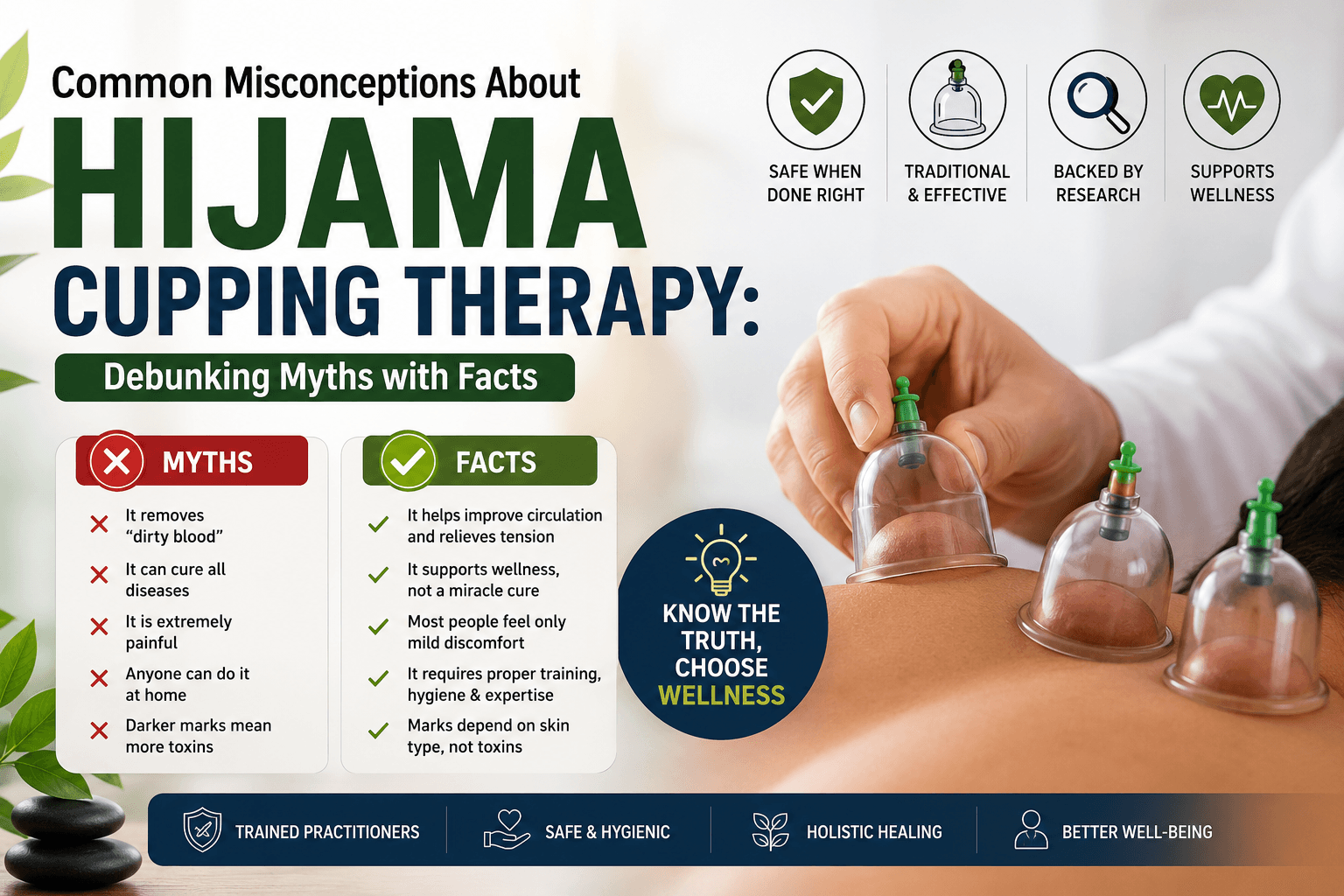
Common Misconceptions About Hijama Cupping Therapy: Debunking Myths with Facts
One of the biggest problems in the Hijama industry right now is not the therapy itself. It is the amount of recycled misinformation floating around online. People either treat Hijama like a magical cure for everything or dismiss it completely without understanding how it is actually used. The truth sits somewhere in the middle, and that is exactly the kind of honest information Google now rewards after its recent health-content updates.
A common myth is that Hijama instantly “removes all toxins” from the body. That claim sounds dramatic, but it oversimplifies how the human body works. Your liver, kidneys, and immune system already handle detoxification naturally. Hijama is better understood as a supportive therapy that may help with circulation, muscle tension, stress relief, and recovery when performed correctly by a trained practitioner.
Scientific Backing of Hijama Therapy
Hijama therapy has existed for centuries, but modern interest in it is growing for a different reason now. People are no longer satisfied with tradition alone. They want to know whether there is actual scientific discussion behind cupping therapy or if it is simply another wellness trend pushed online without evidence.
The reality is more balanced than most websites admit.
Researchers have explored Hijama and other forms of cupping therapy in areas related to muscle pain, blood circulation, tension headaches, stress response, and recovery support. Some small clinical studies and patient reviews suggest that cupping may help reduce pain intensity and improve relaxation in certain individuals, particularly those dealing with chronic muscle tightness or physical fatigue. This is one reason athletes and physically demanding workers often continue using it alongside conventional care.
One important theory is that controlled suction may stimulate local blood flow and affect how the nervous system responds to pain signals. Another idea is that the therapy encourages temporary muscle decompression in areas carrying long-term tension. While these explanations are still being studied, they are far more realistic than the exaggerated “miracle cure” claims commonly found online.
Risks and Misunderstandings in Practice
One reason Hijama therapy gets criticized online is because many people confuse poor practice with the therapy itself. When performed by an untrained person, even a traditional wellness treatment can turn into a bad experience. Unfortunately, social media has made this problem worse. People now buy cheap cupping kits online, watch a few short videos, and assume they are qualified to perform Hijama safely.
That misunderstanding creates real risks.
The biggest concern is hygiene. Wet cupping involves superficial skin incisions, which means sterilization is not optional. Reusing equipment, poor skin preparation, or careless handling can increase the chance of irritation, infection, or unnecessary skin damage. Professional practitioners follow strict hygiene standards because patient safety should always come before marketing or exaggerated claims.
Another common problem is treating every patient the same way. Not everyone is physically suited for Hijama at every moment. People with severe anemia, blood clotting disorders, certain heart conditions, extremely low blood pressure, or those taking blood-thinning medications may require extra caution or medical advice before treatment. A responsible clinic asks questions first instead of rushing people onto the treatment table.
Increasing Awareness and Acceptance
Hijama therapy is slowly moving out of the shadows of misunderstanding and into more open public discussion. A few years ago, many people only heard about cupping through family traditions or religious communities. Now the conversation is broader. Office workers dealing with posture pain, athletes managing muscle recovery, and people struggling with stress-related tension are becoming more curious about therapies that focus on physical relief without depending entirely on medication.
But awareness alone is not enough. The real shift is happening because patients are starting to ask better questions.
People no longer want dramatic promises or mystical explanations. They want to know who is performing the treatment, how hygiene is handled, what realistic outcomes look like, and whether the clinic communicates honestly. That change is important because it pushes the industry toward higher standards instead of marketing hype.
Social media has played both a positive and negative role in this growth. On one side, it helped expose millions of people to Hijama therapy for the first time. On the other, it also created confusion through exaggerated “before and after” claims, fear-based detox language, and misleading medical advice. As a result, many potential patients became skeptical before ever stepping into a clinic.
Common Myths About Hijama Cupping Therapy
Hijama cupping therapy has been around for centuries, yet many people still misunderstand what it actually does. A lot of the confusion comes from social media clips, exaggerated health claims, or outdated information copied across websites. After Google’s recent content quality updates, it’s more important than ever to share medically responsible, experience-based information instead of hype.
Here are some of the most common myths people still believe about Hijama therapy.
Myth 1: Hijama Is Just a Trend From Social Media
Many people think Hijama became popular only because influencers or athletes started posting photos with circular cup marks. The truth is, cupping therapy has roots in traditional medicine systems used for hundreds of years in different cultures, including Islamic, Chinese, and Middle Eastern practices.
Today, professional practitioners combine traditional methods with modern hygiene standards and a better understanding of body pain, circulation, and muscle recovery. It is not a “viral trend.” It is a therapy that continues to be used because many people genuinely feel relief after proper treatment.
Myth 2: Hijama Removes “Dirty Blood” From the Body
This is one of the most misunderstood claims online.
Hijama does not magically detox all your blood or cure every disease. Your liver and kidneys already handle natural detoxification. What Hijama may help with is improving local blood circulation, reducing muscle tension, and supporting relaxation in certain areas of the body.
Responsible clinics should never promise unrealistic results like “complete detox” or “instant cure.” Google’s newer content guidelines strongly favor healthcare content that stays honest, balanced, and evidence-aware.
Myth 3: Hijama Is Extremely Painful
People often expect Hijama to be unbearable because small superficial skin incisions are involved in wet cupping. In reality, most patients describe the sensation as mild pressure or light scratching.
A trained practitioner uses sterile tools and controlled techniques to minimize discomfort. Many people are actually surprised by how manageable the session feels. The marks left behind also fade naturally over time.
Myth 4: Hijama Can Cure Every Health Problem
This is where many websites lose credibility.
Hijama may support people dealing with muscle stiffness, stress, headaches, fatigue, back pain, or sports recovery, but it is not a replacement for medical treatment. Any clinic claiming Hijama cures diabetes, cancer, severe infections, or major chronic diseases without medical supervision should raise concern.
Trustworthy health content focuses on realistic benefits, proper practitioner guidance, and patient safety instead of miracle promises.
Myth 5: The Darker the Marks, the More “Toxins” You Had
There is no scientific proof that darker cup marks mean your body had more toxins.
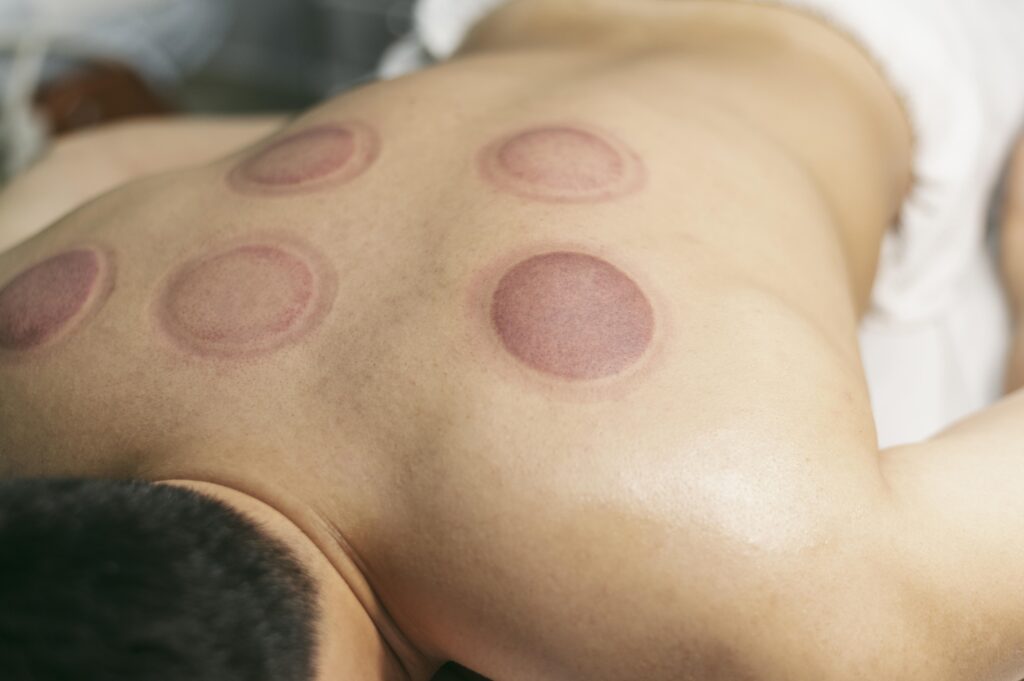
The color of Hijama marks usually depends on skin sensitivity, suction intensity, circulation in that area, and individual body response. Some people bruise lightly while others show darker marks even after gentle pressure.
Using fear-based explanations about “bad blood” or “dangerous toxins” often spreads misinformation instead of educating patients properly.
Myth 6: Anyone Can Perform Hijama at Home
This is risky and should not be encouraged.
Proper Hijama requires hygiene protocols, sterilized equipment, anatomical knowledge, and understanding of contraindications. People with certain medical conditions, blood disorders, pregnancy concerns, or medications may require extra caution or should avoid treatment entirely.
Professional clinics follow safer procedures that reduce the risk of infection, excessive bleeding, or skin damage.