
No products in the cart.
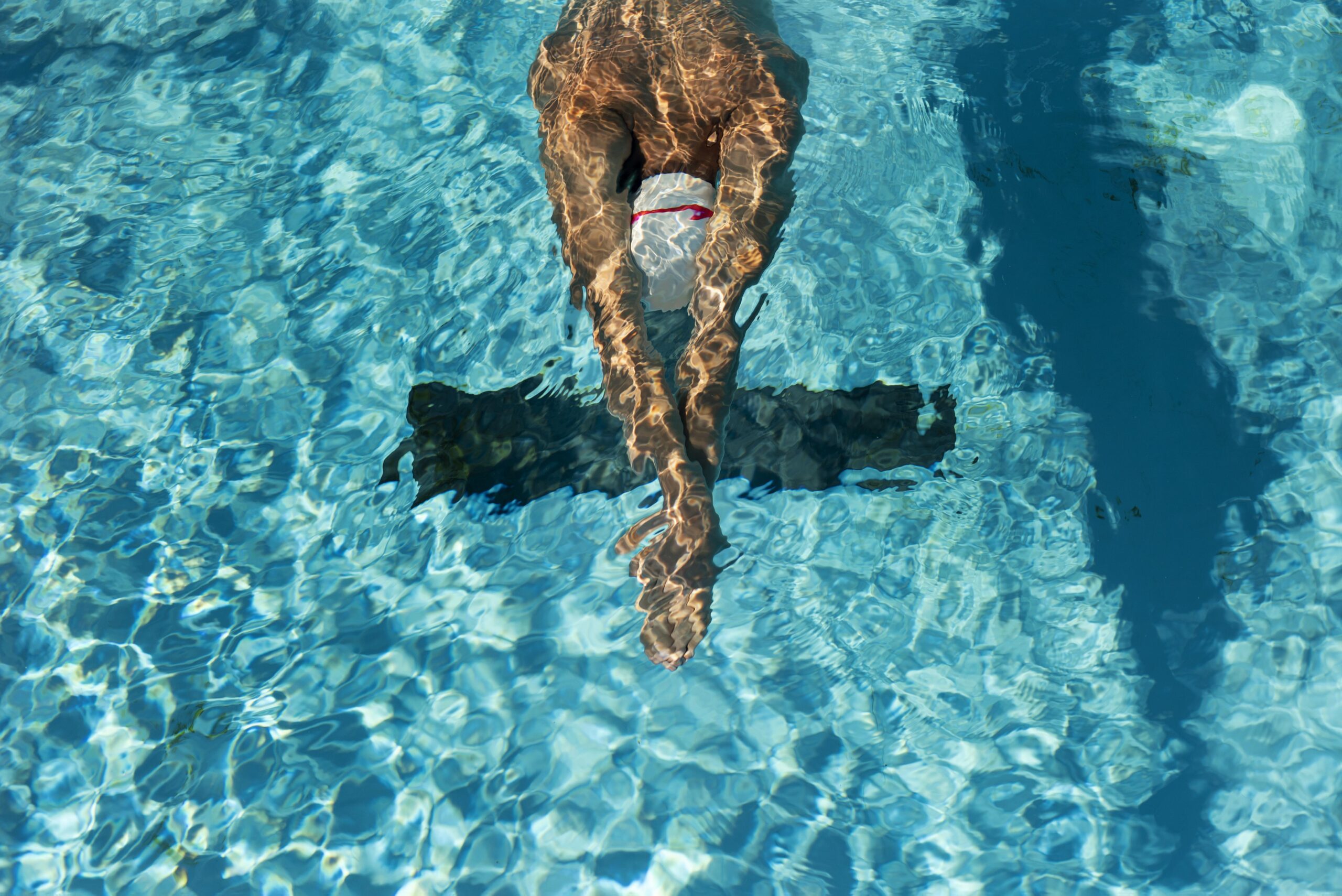
Swimming After Hijama Therapy: Benefits, Risks & Recovery Tips
Swimming is strictly prohibited after Hijama/wet cupping therapy.
Nowadays cupping therapy is becoming very popular around the world. Hijama cupping therapy is a traditional alternative medical treatment practiced in the ancient Egyptians, Chinese culture, Arabic medicine, Greek medicine, and Prophetic medicine. Cupping alleviates the pain by increasing blood circulation and eliminating toxins from the body.
When the suction is applied to the skin through cups, it reduces inflammation and pain. The vacuum-like suction causes the body to release various chemicals, fibroblasts, and white blood cells to the targetted area. The negative pressure of cups draws stagnated blood out from deep tissues and organs through incisions. The incisions allow the release of stagnated blood.
Superficial Incisions During Hijama
During Hijama cupping therapy, superficial incisions are drawn on the upper layer of the skin, Epidermis, to take the toxins out of the body. The incisions are supposed to be mild and superficial.
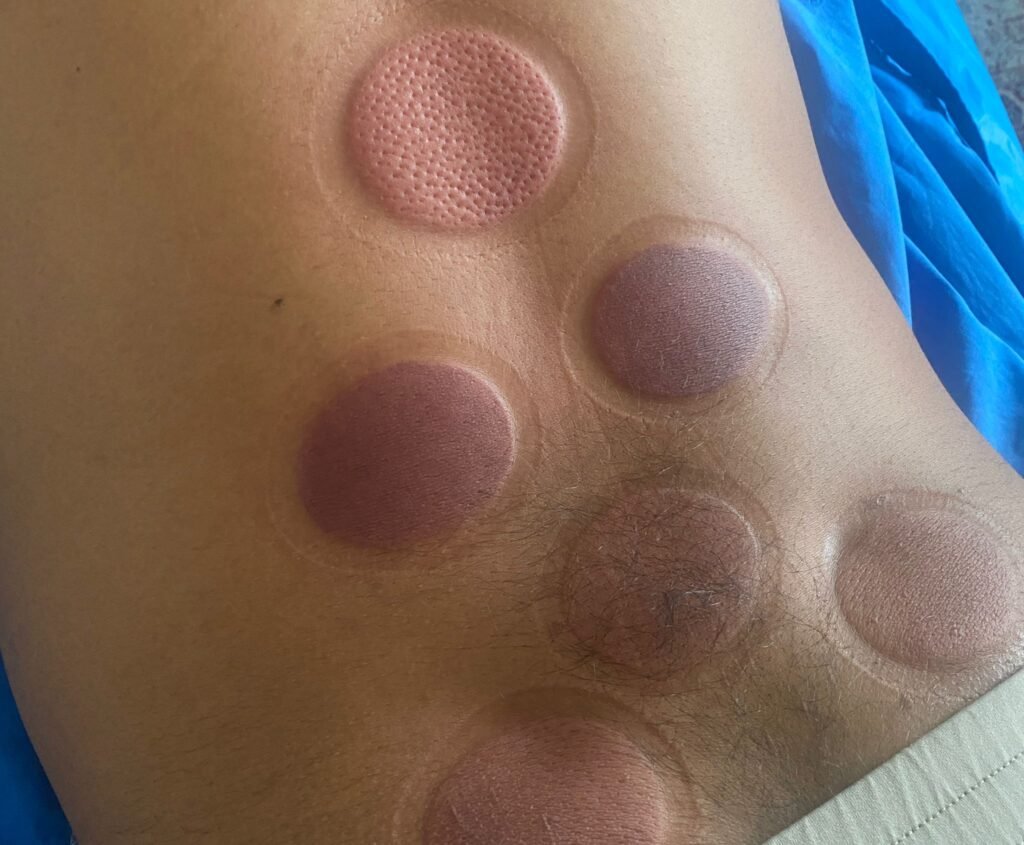
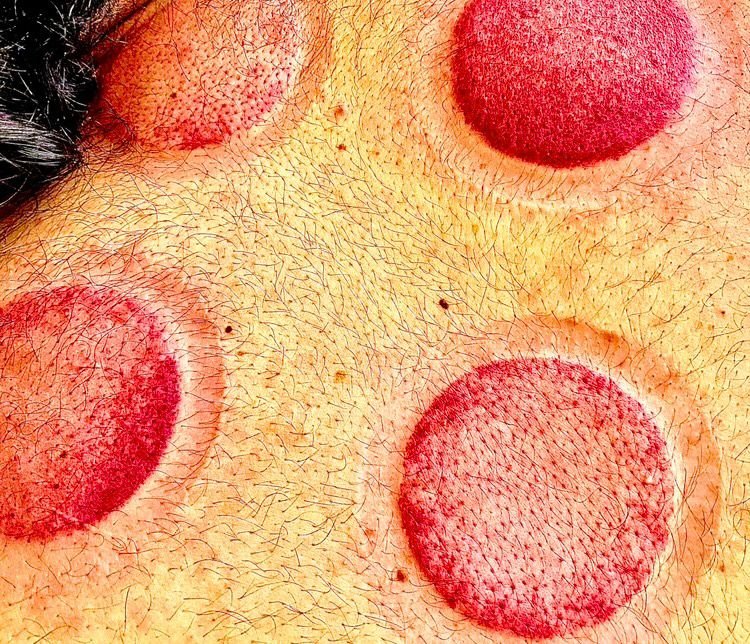
These incisions tear the skin as they draw the blood and other bodily fluids out. A body needs time to heal, depending upon the depth of the wounds. Generally, wounds heal in 2 to 6 weeks, depending on an individual’s healing process.
Incisions from Hijama heal way quicker than wounds because firstly, these are superficial incisions and secondly, within a few minutes blood starts forming clots, sealing the blood vessel walls. Collagen makes thicker blood, like a gel. An individual may experience redness, swelling or itching as it disappears in a few hours.
What Happens To Your Body After Hijama?
Before talking about swimming, it helps to understand what Hijama actually does to your body.
During wet cupping therapy, small superficial cuts are made on the skin, and stagnant blood is drawn out through suction cups.
After the session, your body immediately goes into recovery mode.
Your skin becomes sensitive.
Blood circulation changes.
The tiny incision points begin healing.
Your immune system also gets busy repairing the area.
This is why many people feel:
- Relaxed
- Sleepy
- Tired
- Calm
- Lightheaded
- Energized
Sometimes all in the same day.
Every body reacts differently.
That’s also why aftercare matters so much.
And yes, swimming is part of that conversation.
So… Can You Swim After Hijama?
Technically, yes.
But not right away.
Most experienced Hijama practitioners recommend waiting at least 24 to 48 hours before swimming.
Some even suggest longer if:
- Your skin is extra sensitive
- The cupping marks are deep
- You had a large number of cups
- You’re swimming in public pools, lakes, or oceans
The reason is pretty simple.
Your skin still has tiny open wounds after wet cupping therapy.
Even if they look small, they still need time to close and heal properly.
Jumping into pool water too early can irritate those areas or expose them to bacteria and chemicals.
And honestly, chlorine hitting fresh Hijama marks?
Not fun.
Why Swimming Too Soon Can Be A Bad Idea
This is the part people usually ignore.
Pools look clean. But they’re not sterile.
Public swimming pools contain:
- Chlorine
- Sweat
- Bacteria
- Skin particles
- Chemicals
- Body oils
Now imagine exposing freshly treated skin to all of that.
Your body is already trying to heal itself after Hijama. Swimming too early can interrupt that process.
Here’s what can happen.
Skin Irritation
This is the most common issue.
Fresh cupping marks can become:
- Itchy
- Red
- Dry
- Burning
- Inflamed
Especially after chlorine exposure.
Some people describe it as a stinging sensation right after entering the pool.
Not exactly relaxing.
Increased Risk Of Infection
This one matters more.
After wet cupping, your skin barrier is temporarily weaker.
Swimming in public water before the skin closes can increase the risk of bacteria entering those small cuts.
The risk may not be massive, but it’s unnecessary.
And honestly, why gamble with healing over one swim session?
Slower Recovery
Your body needs energy to recover after Hijama.
Swimming too soon, especially intense swimming, can stress the body further.
That can lead to:
- Fatigue
- Longer soreness
- Delayed healing
- Dizziness
Some people feel perfectly fine afterward.
Others suddenly crash halfway through physical activity.
It depends on the person.
How Long Should You Wait Before Swimming?
This is the question everyone wants answered clearly.
Here’s the realistic answer.
Minimum Recommended Time:
24 to 48 hours
That’s usually enough for basic skin recovery after Hijama therapy.
But personally?
If the marks still feel:
- Tender
- Warm
- Itchy
- Sensitive
- Open
Wait longer.
Your body tells you more than the clock does.
There’s no prize for rushing back into the water early.
Pool Swimming vs Ocean Swimming vs Lakes
Not all water is equal after Hijama.
And this part surprises people.
Swimming Pools
Pools contain chlorine and chemicals.
These chemicals help keep the pool clean, but they can irritate freshly treated skin badly.
Especially indoor pools with stronger chemical levels.
Ocean Water
People assume salt water is automatically healing.
Sometimes yes.
But not on fresh Hijama cuts.
Salt water can sting and irritate healing skin too.
Plus, oceans still contain bacteria and pollutants depending on the location.
Lakes & Rivers
Honestly?
Probably the worst option right after Hijama.
Natural water sources can carry:
- Bacteria
- Parasites
- Dirt
- Pollutants
Fresh cupping wounds and lake water are not a great combination.
Best to avoid completely until your skin fully heals.
Can Swimming Ever Help After Hijama?
Actually, yes.
Once your skin recovers, swimming can feel amazing after Hijama therapy.
Especially gentle swimming.
A calm swim a few days later can:
- Relax muscles
- Improve mobility
- Reduce stiffness
- Help circulation
- Ease tension
A lot of athletes combine Hijama and swimming during recovery routines.
But timing matters.
That’s the key.
Not immediately after treatment.
The Part Nobody Talks About: Energy Levels After Hijama
This is weirdly overlooked online.
Hijama affects everyone differently.
Some people feel like superheroes afterward.
Others want to sleep for twelve hours.
Both are normal.
Your circulation changes after wet cupping therapy.
Your nervous system responds too.
That’s why swimming intensely right after a session can feel awful for some people.
I’ve heard people say:
“I thought I was fine until I got into the water.”
Then suddenly:
- Low energy
- Dizziness
- Weakness
- Heavy arms
- Fatigue
Again, not dangerous for everyone.
But your body is literally recovering from a treatment.
Rest is not laziness here.
It’s part of the process.
Important Hijama Aftercare Tips
People make Hijama aftercare way too complicated online.
You don’t need twenty products or some extreme recovery routine.
Most of the important stuff is basic.
Really basic.
1. Stay Hydrated
This matters more than people think.
Your body loses fluids during wet cupping therapy.
Drink enough water afterward.
Not just one glass and done.
Hydration helps your body recover properly and can reduce headaches or fatigue.
2. Keep The Area Clean
Simple but important.
Don’t keep touching the Hijama spots constantly.
And avoid dirty environments or contaminated water for the first couple of days.
Your skin needs time.
3. Avoid Intense Exercise Immediately
Heavy workouts right after Hijama can feel rough.
Especially if you already feel drained after the session.
Your body is healing.
Give it a small break.
One recovery day won’t destroy your fitness goals.
4. Eat Light, Nourishing Foods
A lot of practitioners recommend avoiding junk food immediately after Hijama.
And honestly, that advice makes sense.
Your body responds better when you eat:
- Fruits
- Soups
- Protein
- Hydrating foods
- Whole foods
Not greasy fast food five minutes later.
5. Let Your Skin Breathe
Tight clothing rubbing against fresh Hijama marks can irritate the skin badly.
Loose clothing helps.
Especially if the cups were placed on:
- Back
- Shoulders
- Legs
Comfort matters more than fashion for a day or two.
Signs You Should Wait Longer Before Swimming
Sometimes your body needs extra healing time.
Don’t rush if you notice:
- Redness that won’t calm down
- Swelling
- Pain
- Burning sensation
- Open skin
- Scabbing
- Skin sensitivity
Swimming during this stage usually makes things worse.
Just give it another day or two.
What If You Accidentally Swam After Hijama?
Honestly, don’t panic.
A lot of people do it accidentally.
Most of the time, nothing major happens.
Just monitor your skin afterward.
Watch for:
- Excessive redness
- Irritation
- Itching
- Infection signs
- Unusual pain
Clean the area gently and keep it dry afterward.
If something feels off, contact a medical professional or your Hijama practitioner.
Is Chlorine Bad After Hijama?
This deserves its own section because people search this constantly.
Yes, chlorine can irritate fresh Hijama marks.
Especially within the first 24–48 hours.
Chlorine dries the skin and can trigger:
- Burning
- Dryness
- Redness
- Itching
Some people tolerate it fine.
Others react instantly.
That’s why waiting is smarter.
Can Athletes Swim After Hijama Therapy?
A lot of athletes use Hijama for recovery.
Swimmers too.
But professional athletes usually manage recovery carefully.
They don’t jump straight into intense training right after treatment.
There’s usually:
- Recovery time
- Hydration
- Rest
- Monitoring
That’s the difference.
If you train seriously, it’s still better to give your body at least a day or two before returning to hard swimming sessions.


Leave a Reply