
No products in the cart.
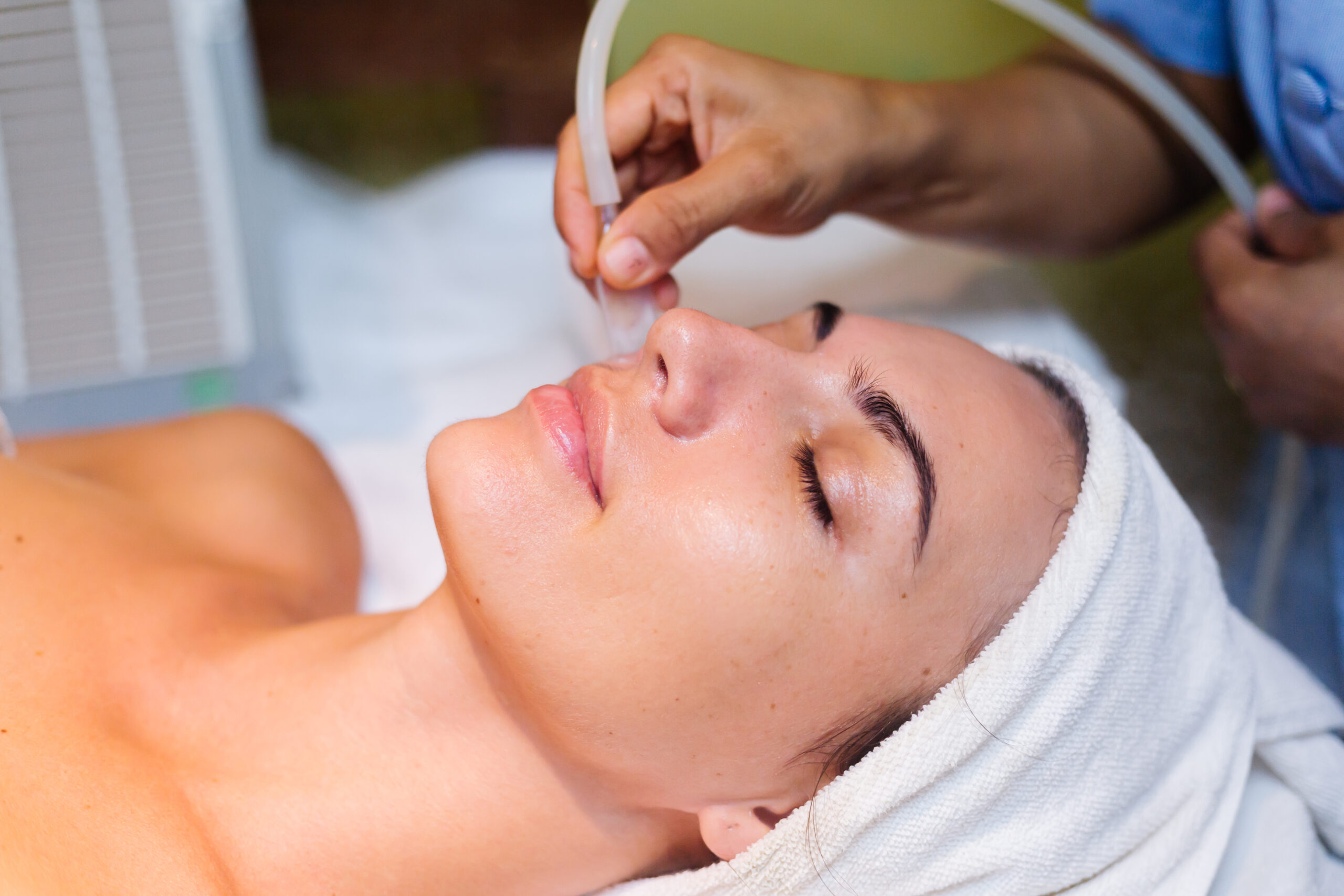
Moving Cupping Therapy for Nasal Congestion and Mucus Release
Moving cupping around the nose and cheek area is used in facial cupping therapy to help with nasal congestion, sinus pressure and mucus blockage.
Moving cupping around the nose releases blocked mucus primarily through mechanical drainage and improved local circulation. The suction and gliding motion work on the facial tissues and lymphatic system to move stagnant fluids, while the increased blood flow helps reduce the swelling in the nasal passages that traps mucus in the first place.
Why does mucus become blocked around the nose?
The lining of the nose and sinuses naturally produces mucus. It traps dust, allergens, bacteria, and other particles and removes them from the respiratory system. When the nasal passages become inflamed, they can swell and narrow, making it harder for mucus to drain.
To understand why cupping helps, it’s useful to know what causes the blockage. Mucus buildup (catarrh) usually happens when the immune system reacts to an infection or irritation, causing the lining of the nose to swell and produce excess mucus. Common triggers include:
1. Allergies: Dust, pollen, mould and pet dander can trigger inflammation, swelling and excessive mucus production.
2. Viral infections: Common colds can cause inflammation, increased mucus production and nasal blockage.
3. Sinus inflammation (sinusitis): Swelling around the sinus drainage openings can prevent mucus from draining normally.
4. Nasal polyps or structural problems: Nasal polyps or a deviated septum can contribute to persistent blockage.
5. Dry air and irritants: Dry air, smoke and environmental irritants can make nasal secretions thicker or irritate the nasal lining.
How does moving cupping around the nose help?
A. Local circulation: Gentle suction temporarily increases blood flow in the superficial tissues. This may produce warmth and a temporary feeling of relaxation.
B. Soft-tissue movement: Moving a cup gently over the cheek area stretches and mobilizes superficial skin and soft tissue. This might temporarily improve the feeling of facial tightness.
C. Lymphatic fluid movement: Facial cupping is sometimes used with the intention of supporting superficial lymphatic fluid movement. This relates to fluid in the tissues around the face, not mucus inside the sinus cavities.
D. Temporary relief of facial pressure: Some people may feel less facial tightness or pressure following gentle facial massage.
Which areas are associated with sinus congestion?

The four main sinus groups are:
Sinus-Location
Frontal-Forehead, above eyebrows
Maxillary-Cheeks, beside the nose
Ethmoid-Between the eyes
Sphenoid-Deep behind the nose
These are the anatomical areas associated with sinus pressure and congestion.
Here is a general step-by-step based on facial cupping protocols:

- Prepare: Cleanse the face. Apply a generous layer of facial oil to glide smoothly without pulling the skin.
- Start with Lymph Drainage: Using very light suction, gently pump the cup near the nostril (push and release) about 3–5 times.
- The Gliding Motion:
- Place the cup next to the nose with light suction.
- Slowly and gently slide the cup outward towards the ear.
- Repeat this gliding motion 3–5 times on each side.
4. Eyebrow Point: For sinus pressure, you can also place the cup at the inner edge of the eyebrow, pump gently, and then glide it outward over the brow.
Aftercare: Wipe off excess oil. Keep the face protected from cold drafts immediately after, as the pores are open.
Safety considerations for facial cupping
Because the nose and surrounding facial tissues are delicate, facial cupping requires particular care.

- Do not apply suction directly to the nostrils, eyelids or eyeballs.
- Avoid strong suction around the nose.
- Do not cup broken, irritated or inflamed skin.
- Avoid treatment over active skin infections.
- Stop if there is pain, bruising, bleeding or significant irritation.

For nasal congestion, saline nasal sprays or rinses are another established option. For nasal rinsing, use sterile, distilled or previously boiled and cooled water.
Two Natural Remedies to Relieve Mucus Around the Nose
Here are two simple, traditional remedies that work effectively to reduce mucus and nasal congestion.
Remedy 1: Fresh Ginger Juice for the Nostrils
How to use: Crush a small piece of fresh ginger and squeeze it to extract the juice. Using your fingertip or a cotton bud, apply a drop of the ginger water just inside the nostrils — do not inhale it deeply. Gently rub the nostrils to allow the juice to spread inside.
Why it works: Ginger contains gingerol, a powerful natural compound with anti-inflammatory and antimicrobial properties. When applied locally, it helps reduce swelling in the nasal passages and creates a warm, tingling sensation that stimulates circulation. This mild irritation triggers a natural reflex that can help loosen and expel mucus, making it easier to breathe. Ginger also has a mild antihistamine effect that can calm allergic reactions contributing to congestion.
Remedy 2: Warm Ghee with Black Salt
How to use: Warm a small amount of desi ghee (clarified butter) and add a pinch of black salt. Gently massage this mixture around the cheeks, the sides of the nose, and over the nasal area. Use slow, circular motions.
Why it works: Warm ghee is deeply nourishing and penetrates the skin to soothe inflamed tissues. Its healthy fats help moisturize and soften the skin around the nose, which can become irritated from constant wiping. Black salt contains minerals and has a warming effect that helps improve circulation and eases sinus pressure. Together, the massage stimulates lymphatic drainage, helps release tension in the facial muscles, and promotes the natural flow of mucus.
Both remedies are gentle, natural, and highly effective for relieving nasal congestion and mucus buildup. They are especially useful when used together — ginger works directly inside the nostrils to clear passageways, while the ghee and black salt massage soothes the surrounding area and supports drainage from the outside.
Facial cupping is a gentle soft-tissue technique sometimes used around the cheeks and nose by people experiencing facial tightness and sinus pressure. The gentle movement and suction may temporarily stimulate superficial circulation and mobilize soft tissues. Some people report feeling more comfortable afterwards. However, cupping has not been proven to remove mucus from the sinus cavities or cure sinus congestion.