
No products in the cart.
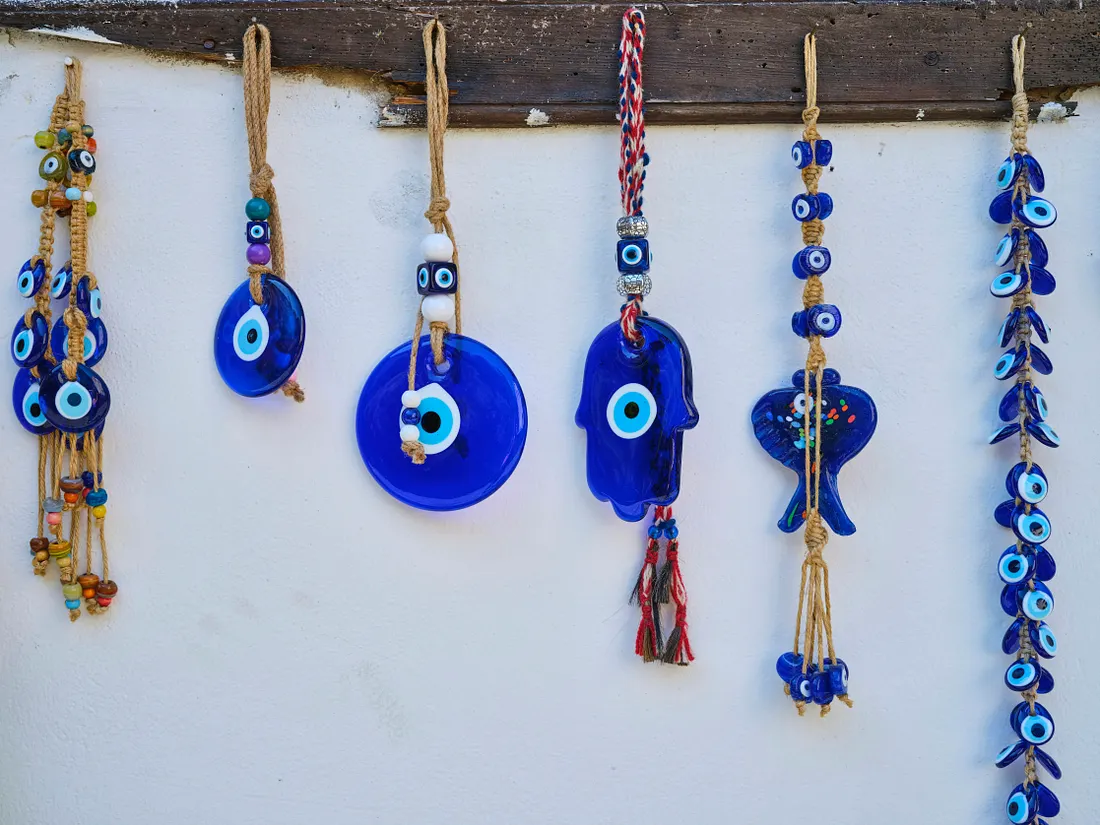
Evil Eye Treatment in Islam: Hijama & Ruqyah Guide
The evil eye occurs when someone harms another person through envy or jealousy, which affects the person’s health, wealth, appearance, or well-being.
The evil eye (al‑‘ayn in Arabic) is a concept in Islam and many other cultures where harm is caused to a person, physically, mentally and emotionally through another person’s envy, jealousy, or even excessive admiration — whether intentional or unintentional.
The evil eye (al-‘ayn) is real and is confirmed in the Qur’an and Sunnah.
Allah mentions seeking protection from those who envy in Surah Al-Falaq (113:5).
The Prophet Muhammad ﷺ said:
“The evil eye is real, and if anything were to overtake the divine decree, it would be the evil eye.”
(Sahih Muslim)
It happens when someone looks at another person or their belongings with envy without remembering Allah (by saying Masha Allah or Barak Allah).
- It is real and recognized in the Qur’an and Sunnah.
- It can be given by humans or even jinn.
- It does not work independently — it only happens by Allah’s will as part of His decree.
- Protection comes through duas, adhkar, ruqyah, and reliance on Allah.
What Is Evil Eye (Nazar) in Islam?
Evil eye, known as nazar in Islam, is a harmful effect caused by jealousy, envy, or intense admiration. It is a real condition mentioned in the Qur’an and Hadith and can impact a person’s health, emotions, and daily life.
Many people experience unexplained problems that may be linked to nazar, including sudden illness, stress, or loss of success without a clear reason.
Symptoms of Evil Eye
Recognising the symptoms early is important for proper treatment.
Common signs of evil eye include:
- Sudden fatigue or constant tiredness
- Unexplained anxiety or sadness
- Frequent headaches or body pain
- Loss of motivation or focus
- Sleep disturbances or bad dreams
- Sudden problems in business, marriage, or health
These symptoms often appear without medical explanation and may persist despite treatment.
Connection Between Hijama and the Evil Eye

Hijama and the evil eye are connected in a way that hijama can serve as a supportive physical treatment for the harm caused by the evil eye. While the evil eye is a spiritual affliction that requires ruqyah and protective supplications as its main cure, it often manifests in the body through symptoms like headaches, fatigue, muscle tension, and general weakness. Hijama helps by improving blood circulation, removing stagnant or “dirty” blood, and releasing physical tension, which can ease many of these symptoms. It also revitalizes the body, making a person stronger and more receptive to spiritual healing through ruqyah. This holistic approach addresses the unseen spiritual cause while also restoring the body’s balance and energy.
How Ruqyah Protects From Evil Eye

Ruqyah and the evil eye are closely connected because ruqyah is one of the most effective and authentic treatments for it in Islam. The evil eye is a spiritual harm caused by envy or excessive admiration, and while it can lead to physical and emotional symptoms, its root cause is non-physical.
Ruqyah, which is the recitation of Qur’anic verses, prophetic supplications, and specific duas, directly targets this spiritual harm by seeking Allah’s protection and healing. The Prophet Muhammad ﷺ himself performed ruqyah for companions afflicted with the evil eye and taught them specific surahs like Al-Falaq, An-Naas, and Al-Ikhlas to recite for protection.
Unlike purely physical treatments, ruqyah works on the unseen cause, removing or weakening the harmful effect of the evil eye while also bringing peace and reassurance to the heart. When done with sincerity, trust in Allah, and adherence to the prophetic method, ruqyah can cleanse a person spiritually, allowing both the body and soul to recover from the impact of the evil eye.
Spiritual Benefits of Hijama and Ruqya
When hijama and ruqyah are combined for the evil eye, the treatment addresses both the spiritual root and the physical effects of the affliction at the same time. Ruqyah works on removing or weakening the spiritual harm caused by the evil eye by invoking Allah’s words and protection, cleansing the soul from the unseen negative influence.
Hijama, on the other hand, helps the body release physical tension, remove toxins, and improve circulation, which alleviates many of the symptoms the evil eye causes, such as headaches, fatigue, and heaviness in the body. Together, they create a powerful healing process in which the spiritual blockage is lifted through ruqyah, and the body is physically supported and strengthened through hijama, allowing the person to feel lighter, calmer, and more energized.
This combination also often shortens recovery time, as the mind, body, and soul are being treated in harmony rather than in isolation.
Step-by-step Islamic healing plan for the Evil Eye
A step-by-step healing plan for treating the evil eye with Hijama and ruqyah, combining spiritual, physical, and lifestyle approaches in line with Islamic teachings:
Best Surah for Evil Eye Protection
Recite these Surahs/verses daily:
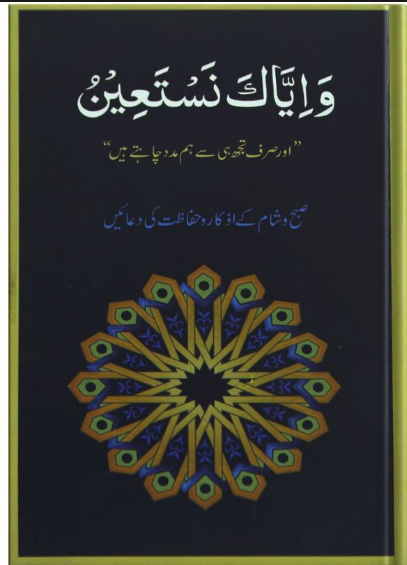
- Surah Al-Falaq (113)
- Surah An-Naas (114)
- Surah Al-Ikhlas (112)
- Ayat-ul-Kursi (Surah Al-Baqarah 2:255) — after every prayer and before sleeping
- Last 2 verses of Surah Al-Baqarah (2:285–286) — before sleeping
Morning & Evening (Azkar):
- Recite protection du’as from authentic hadith books
- Blow over yourself after reciting the above Surahs three times
Ruqyah water:
- Recite the above surahs & Ayat-ul-Kursi on water (in a bottle or bucket)
- Blow into it
- Drink and use this water for daily use
How Hijama Helps Remove Evil Eye Effects
Hijama treatment should be divided into four sessions.
Session one: 7-organ Hijama points should be targeted to stimulate detoxification, regulate organ function, and restore balance in the body. Each of these points corresponds to a major organ such as the liver, lungs, kidneys, heart, stomach, bladder, and intestines.
Session two: Hijama on the legs can support the lymphatic system, reducing water retention and heaviness in the lower limbs. Clients experience a feeling of lightness and increased mobility afterward, as tension and pressure in the legs are relieved.
This can relieve muscle fatigue, reduce swelling, and ease joint pain in the knees and ankles. The improved circulation also helps deliver more oxygen and nutrients to the leg muscles and joints, which can speed up recovery from strain or injury.
Session three: These points are strategically located to help purify the blood, stimulate circulation, and support the body’s natural healing processes. Working on Sunnah points can boost overall immunity, improve organ function, relieve pain, and help balance the body’s systems.
Many people notice increased energy, mental clarity, and relief from chronic discomfort when hijama is done on these points, as they combine both physical health benefits and the spiritual reward of reviving a Sunnah.

Session four: For someone afflicted by the evil eye, these points help release heaviness from the head, neck, and shoulders, ease tension in the spine, and improve blood and lymph circulation, which in turn reduces fatigue and body aches. They also support the heart, helping to restore vitality and strength that prolonged spiritual afflictions may weaken.
Many people report a sense of lightness, emotional calm, and improved clarity after hijama on these points, making them especially beneficial in evil eye cases where both the body and soul need cleansing.
For the evil eye, the heart and gut are often the most affected areas of the body. Therefore, it is essential to focus on these points — purifying the heart from harmful effects and cleansing the gut, as the gut plays a key role in digesting food and providing the strength the body needs to move and function.

Recommended Hijama Treatment time
- Phase 1 — Cleansing (Weeks 1–6):
- Do hijama every 4–6 weeks
- Combine it with ruqyah sessions before or after
- Phase 2 — Stabilization (Weeks 7–12):
- Do hijama once in 2–3 months
- Phase 3 — Maintenance:
- Every 4–6 months or if symptoms return
Do not overdo hijama if the patient is weak — use gentle dry cupping in between wet sessions if needed.
Step 3: Ruqyah Treatment Session (Weekly)
Choose one day weekly to do a full ruqyah session (ideal before or after hijama):
How to do a Ruqyah session:
- Begin with wudu and pray 2 rak’ah nafl
- Recite ruqyah for 30–45 minutes:
- Surah Fatiha
- Surah Baqarah (selected parts or whole)
- Surah Al-A’raf (117–122)
- Surah Yunus (81–82)
- Surah Taha (68–70)
- Surah Falaq, Naas, Ikhlas (repeat 3x)
3. Blow on water or olive oil during or after
4. Drink the water or apply the oil to affected body parts (chest, back, feet)
Step 4: Lifestyle Adjustments
- Be cautious when sharing family pictures or news on social media.
- Say “Masha Allah” or “Barak Allah” when complimenting others or being complimented.
- Avoiding music or haram content, maintaining a state of wudu as much as possible, keeping the home environment spiritually clean, and regularly reciting the Qur’an help ward off negative energies.
- Avoid isolation & increase dhikr gatherings.
- Eat more sunnah foods (dates, honey, black seed, olives).
- Drink Zamzam water while reciting Bismillah and making dua for healing.
- Showing gratitude to Allah through constant shukr and sadaqah softens envy in the hearts of others and invites divine protection.
- Surrounding yourself with positive, grateful company and avoiding gatherings filled with gossip, jealousy, or backbiting also minimizes exposure to the causes of the evil eye.
How Long Does Evil Eye Last?
The duration varies depending on severity and consistency of treatment. Some people feel relief quickly, while others may take longer.
Regular Ruqyah and timely Hijama significantly speed up recovery.
Signs That Ruqyah Is Working
You may notice:
- Improved mood and energy
- Better sleep
- Reduced anxiety
- Relief from physical discomfort
These signs indicate that the effects of nazar are gradually decreasing.
Frequently Asked Questions (FAQ)
1.Can Hijama cure evil eye?
Hijama helps remove the physical effects of evil eye, while Ruqyah addresses the spiritual cause. Both should be used together.
2.Is evil eye mentioned in Islam?
Yes, evil eye is real and mentioned in Islamic teachings, including Hadith.
3.How often should Ruqyah be performed?
Daily recitation is recommended for both treatment and protection.
4.Which is more important: Hijama or Ruqyah?
Both are important. Ruqyah treats the root cause, while Hijama supports physical recovery.


Leave a Reply