
No products in the cart.
What to Drink Before & After Hijama?
If you’re planning a session and searching for what to drink before hijama or what to drink after hijama for faster recovery, you’re already thinking in the right direction. What you drink before and after cupping therapy plays a major role in how your body responds, heals, and benefits from the treatment.
Hijama cupping therapy works by improving circulation, releasing stagnation, and supporting the body’s natural detox process. But without proper hydration, your body may not respond as effectively. That’s why understanding the best drinks before and after hijama cupping therapy can help you get better results, reduce fatigue, and recover faster. Proper hydration around Hijama is crucial for supporting the body’s healing processes and preventing side effects like fatigue.
Many people ask simple but important questions like:
Can I drink water before hijama?
What is best to drink after cupping therapy?
Are there any drinks to avoid after hijama treatment?
This guide answers all of these in a clear and practical way. You’ll learn how much water to drink after hijama, which natural drinks support healing, and what to avoid to prevent slowing down your recovery.
Whether your goal is detox, pain relief, or overall wellness, choosing the right fluids can make a noticeable difference. In the next sections, we’ll break down the best hydration tips after hijama session, so you can support your body properly and get the maximum benefit from your treatment. Let’s discuss drink choices before and after Hijama, based on traditional Islamic medicine (Tibb), modern physiological understanding, and Hijama practitioner consensus.
Hydration is Key Before Hijama
The therapy involves the removal of a small amount of “static” blood. Being well-hydrated ensures your blood volume is adequate and your blood isn’t too viscous, making the process smoother and more effective.
What Should Drink BEFORE Hijama (24–48 Hours Prior)
Best Drink Choices Before Hijama:
1. Plain, Room-Temperature Water:
The absolute best. Sip consistently throughout the days before your session. Aim for 2–3 litres.
2. Electrolyte-Infused Water (Natural):
Add a pinch of high-quality sea salt and a slice of lemon to your water. This helps with fluid retention and cellular hydration.
3. Herbal Teas (Mild & Non-Diuretic):
Ginger Tea: Warming, promotes circulation.
Chamomile Tea: Calming for the nerves.
Fennel Tea: Aids digestion.
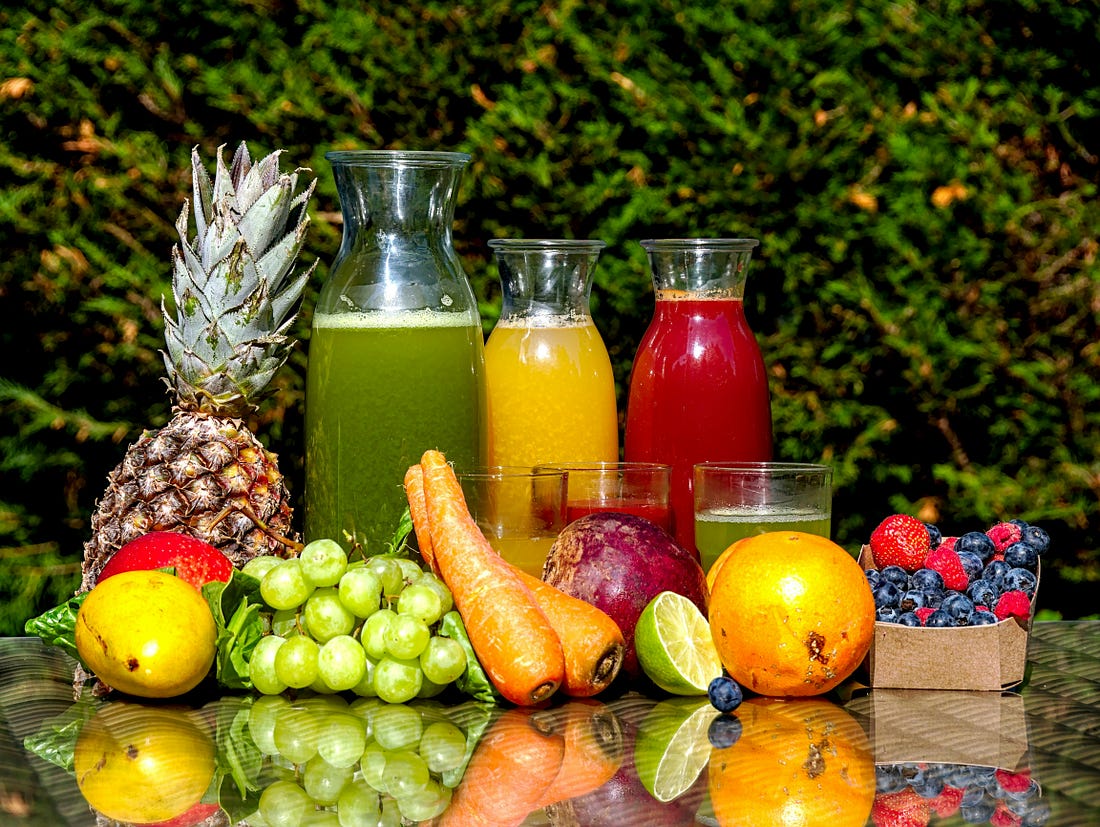
4. Fresh Fruit & Vegetable Juices (in moderation):
Such as pomegranate, carrot, or cucumber juice. They provide vitamins and minerals without excessive sugar. Dilute with water.
Which Drinks to AVOID Before Hijama & Why:
Caffeinated Beverages (Coffee, Black Tea, Energy Drinks):
They are diuretics (cause fluid loss) and can constrict blood vessels, potentially making blood extraction more difficult and increasing anxiety.
Alcohol:
A strong diuretic and blood thinner. It dehydrates the body and can interfere with the therapeutic intention of the procedure.
Very Cold or Iced Drinks:
Traditional medicine advises against them as they can “shock” the system and constrict circulation, counteracting the therapy’s goal of promoting blood flow.
Sugary Sodas & Processed Juices:
Cause blood sugar spikes and crashes, provide no nutritional benefit, and can promote inflammation.
What to Take After Hijama cupping (First 24–48 Hours)
Best Drink Choices After Hijama:
1. Water, Water, Water:
Even more critical than before. Sip warm or room-temperature water consistently. This is the single most important thing you can do.
2. Nutrient-Rich, Building Drinks:
Bone Broth: Exceptionally nourishing. Provides easy-to-absorb protein, collagen (for skin healing at incision sites), and minerals to replenish electrolytes.
Green Smoothies (with mild greens): Blend spinach, cucumber, apple, and ginger with water. Provides vitamins and minerals without overtaxing digestion.
3. Rehydrating & Healing Herbal Teas:
Nettle Tea: A classic post-Hijama tonic. It is rich in iron, vitamin C, and minerals, helping to rebuild the blood.
Rosehip Tea: Very high in Vitamin C, which aids iron absorption and collagen synthesis for healing.
Dates soaked in water overnight (Nabeez): A Prophetic (Sunnah) drink. Soak dates in water overnight, drink the water and eat the dates. It provides natural sugars for energy, potassium, and is gently nourishing.
4. Natural Electrolyte Replenishers:
Coconut Water (unsweetened): Excellent for natural electrolytes like potassium.
Water with Lemon & Honey: Lemon provides Vitamin C, and honey gives gentle energy and has antimicrobial properties. Use warm water.
What not to drink after Hijama & Why:
Coffee, Alcohol, Cold, Sugary Drinks:

The reasons are now even stronger. Your body is in a recovery and detoxification state. These drinks place extra strain on the liver and kidneys, which are already processing the byproducts of the therapy. They also dehydrate.
Dairy-Based Drinks (Milk, Heavy Smoothies):
Many practitioners advise avoiding heavy dairy immediately after, as it can be “phlegmatic” and heavy to digest when the body’s energy should be directed toward healing.
Very Sweet Fruit Juices (undiluted):
The high sugar load can cause inflammation and an energy crash. Alternate: Dilute with 50% water or choose low-sugar options like cucumber or green apple juice.
Caffeine/alcohol interferes with the body’s natural healing and blood chemistry. Cold drinks hinder circulation and digestion, counteracting the warming, circulating intent of Hijama. Warm and nourishing liquids support digestion, circulation, and the rebuilding of blood and nutrients. Sugar moderation prevents inflammation and energy instability when the body is in a sensitive state.
Rabia HijamaPractitioner’s Note on Hydration & Recovery
In practice, I’ve learned that the real difference in results doesn’t come from the cups alone it comes from what you do around the session. The body responds best when it’s supported, and that starts with what to drink before hijama for better circulation and continues with what to drink after hijama for faster recovery.
Before a session, I usually advise keeping things simple clean water, a light natural drink, and no heavy or processed beverages. This helps the body stay balanced and makes the session more comfortable. After hijama, the focus shifts to recovery. The goal is not just hydration, but choosing the right fluids after cupping therapy that help the body settle, restore, and heal without stress.
Over time, I’ve noticed a clear pattern: people who follow proper hijama hydration tips for best results like staying hydrated, avoiding cold or sugary drinks, and allowing the body to rest often feel lighter, recover quicker, and report more lasting relief. On the other hand, ignoring these basics can slow down the benefits, even if the session itself was done correctly.
From my experience, hijama works best when it’s treated as a complete process, not a one-time procedure. Paying attention to before and after hijama care, especially your fluid intake, helps your body respond naturally and efficiently.
If you approach it with the right preparation and aftercare, hijama becomes more than just a therapy it becomes a consistent, supportive part of your overall wellness routine.

Leave a Reply