No products in the cart.
Feeling Sleepy After Hijama, Why?
Feeling sleepy after a Hijama session is quite common and is usually a normal response. Feeling sleepy after Hijama is usually normal and, in most cases, it is not something to wor
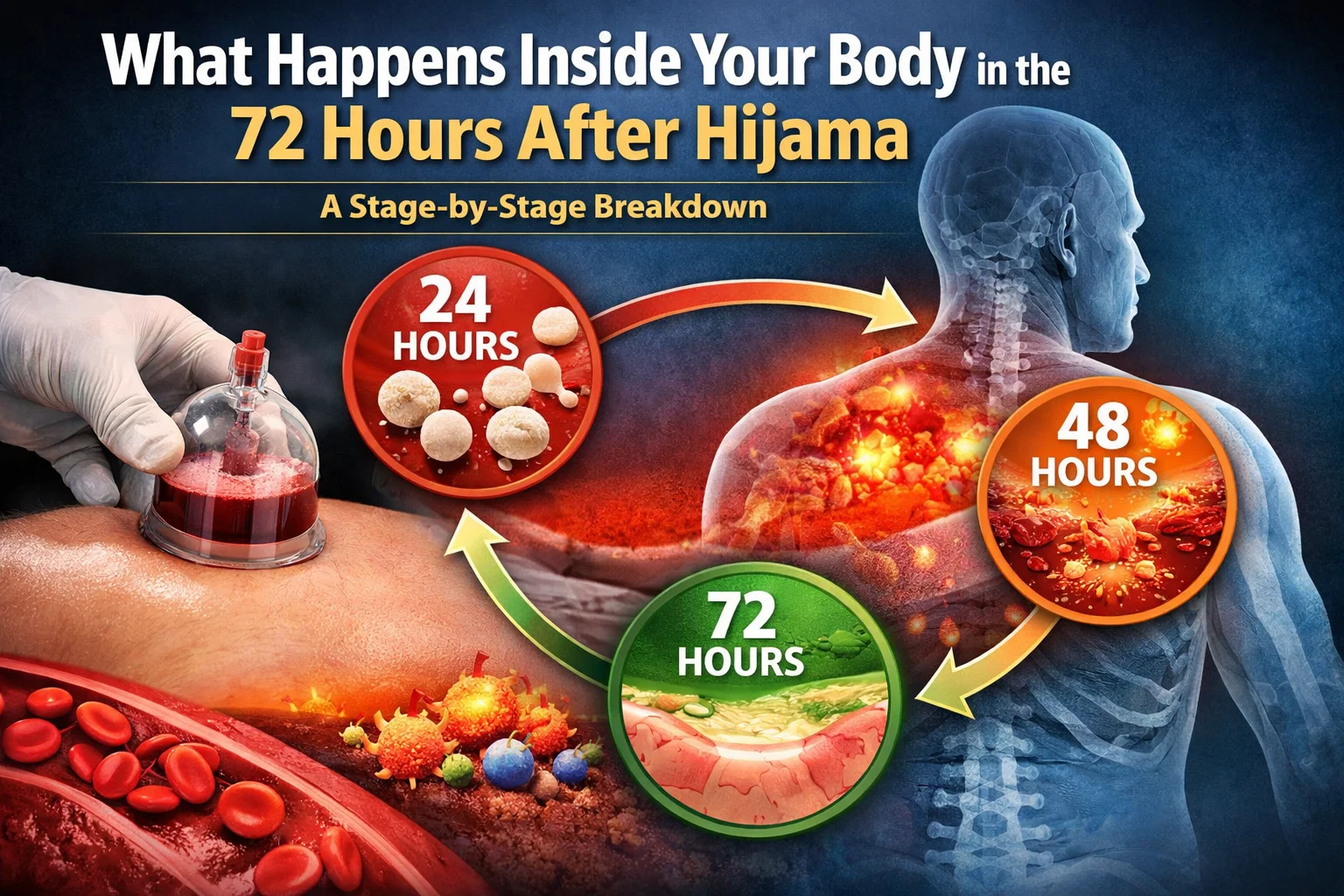
Most guides tell you what to do after a session. Nobody has really explained what your body is actually doing, hour by hour, in the three days that follow. Until now. In this artic
Are you noticing fine lines getting deeper every year?Is your skin starting to look dull, saggy, or older than your actual age?Have expensive anti-aging creams, serums, and facials
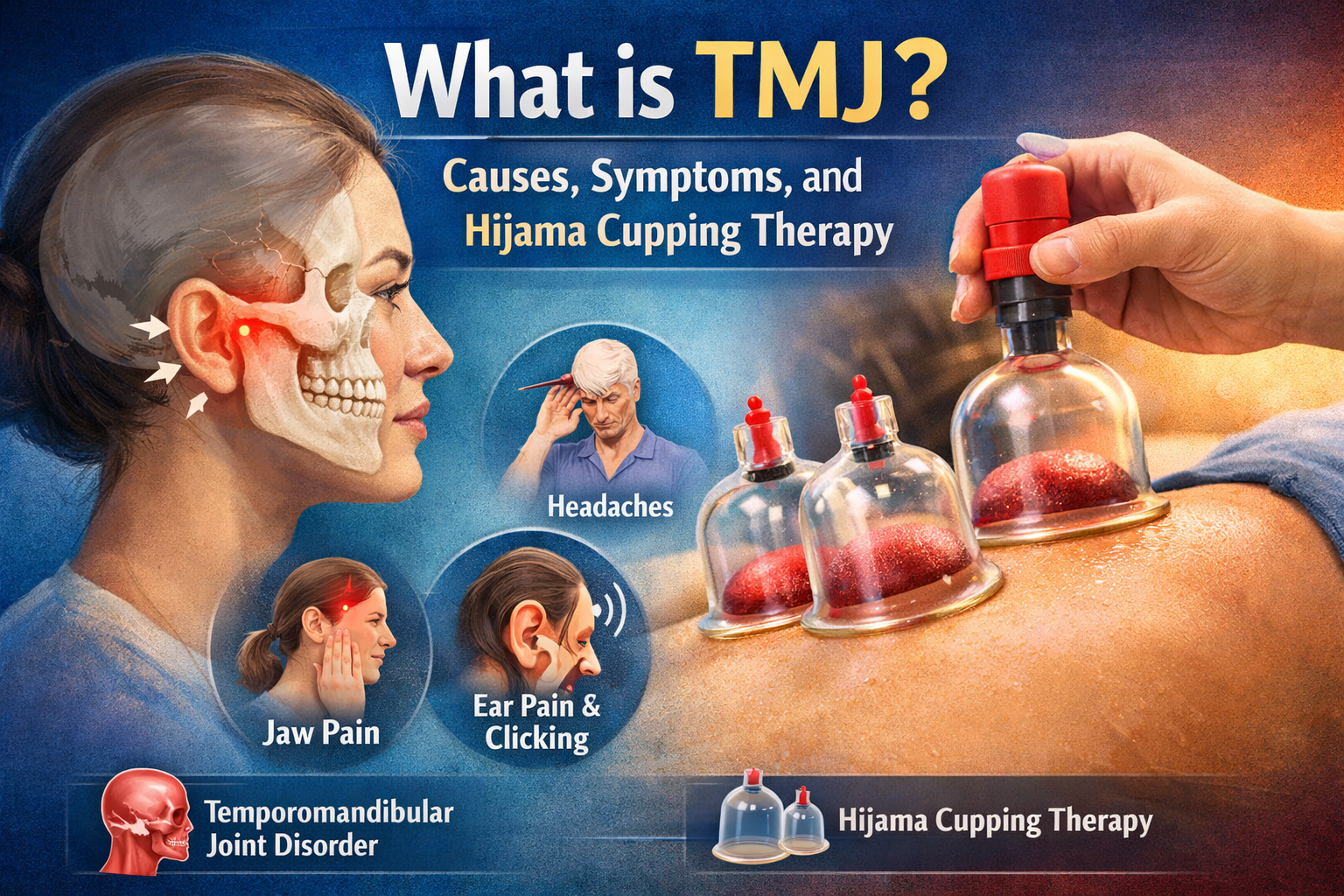
TMJ refers to the temporomandibular joint, which connects our lower jaw (mandible) to the skull, just in front of each ear. This joint is used for chewing, talking, yawning, and s
If you’re planning a session and searching for what to drink before hijama or what to drink after hijama for faster recovery, you’re already thinking in the right direction. Wh
Is it safe to perform Hijama with high blood pressure? If yes, then what are the contraindications and precautions? High blood pressure, known as hypertension, is a widesprea
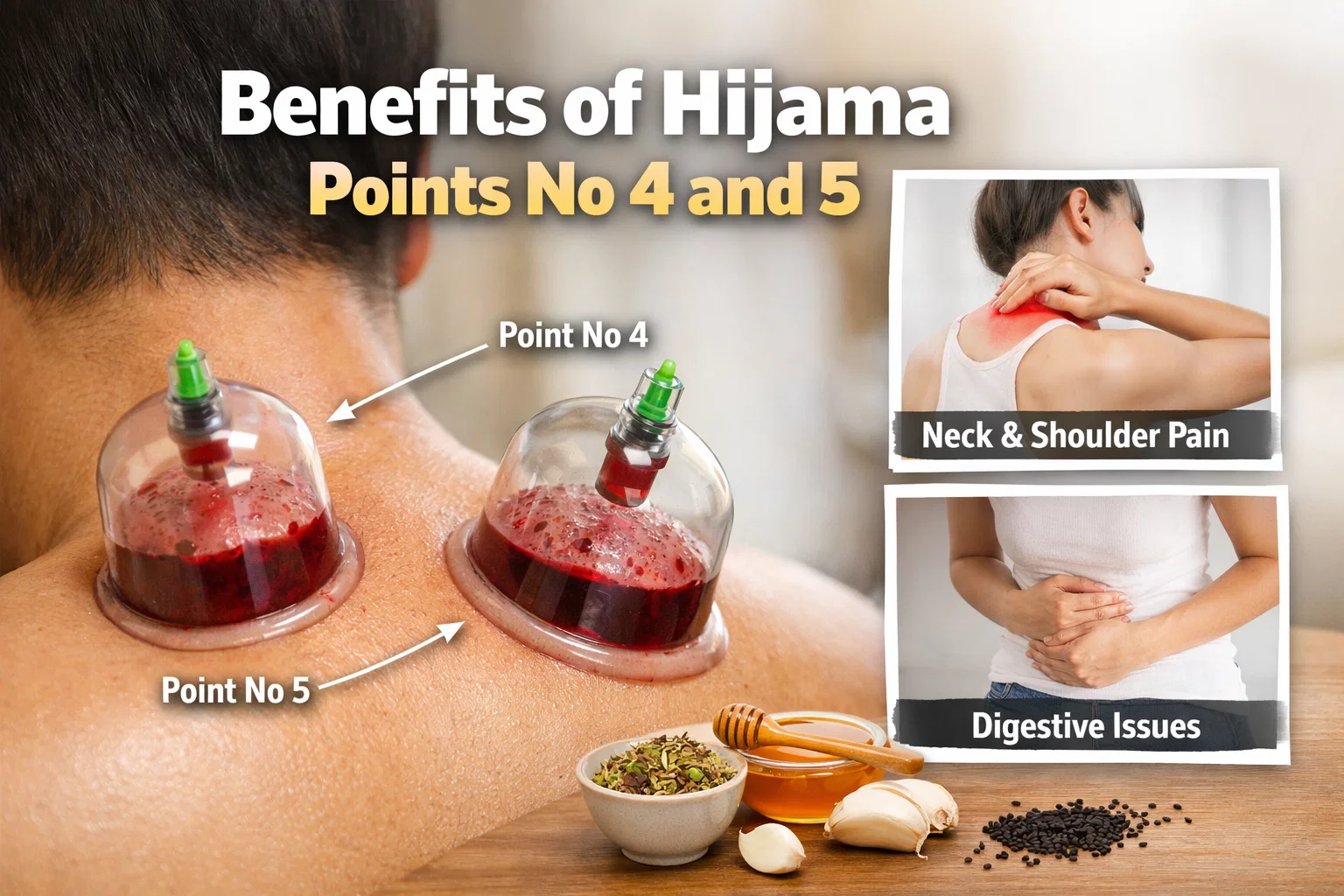
Hijama (wet cupping therapy) is a traditional healing method used for centuries for physical and spiritual well-being. Among the various cupping points, Hijama Points No. 4 and 5,
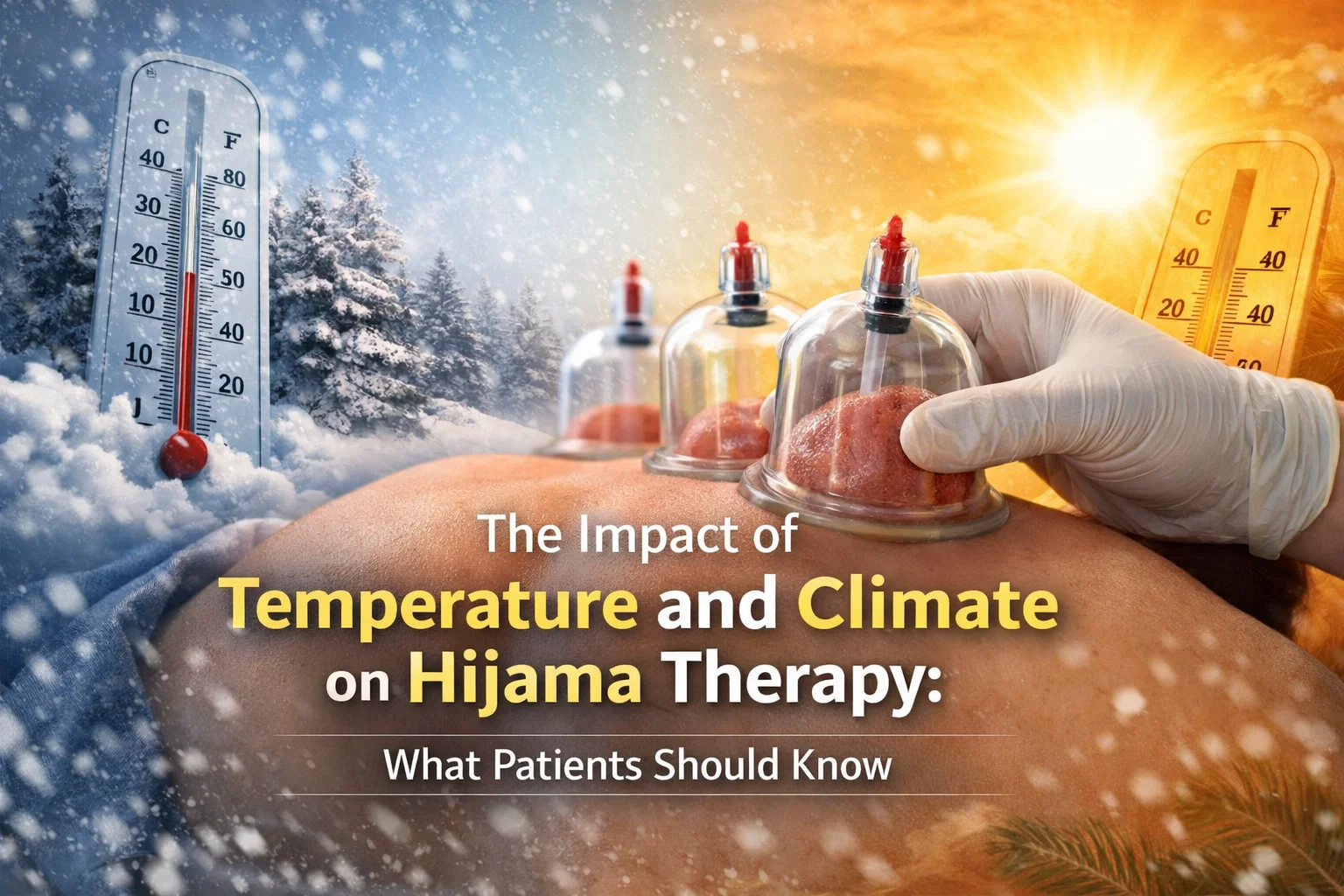
Hijama can be performed at any time of the year, but traditional medicine suggests that certain weather conditions are more favourable for getting the best results. The idea that t
Engaging in intense exercise immediately after Hijama cupping therapy can be counterproductive and even harmful. After Hijama therapy, exercise is generally discouraged for a perio
You’ve tried sleeping more. You’ve cleaned up your diet. You’ve taken the supplements. But you still wake up feeling heavy, foggy, and tired for no clear reason.